
Swedish grocery group Axfood has returned the City Gross supermarket chain to profitability, reporting higher third-quarter earnings as its stores benefited from rising shopping volumes.
Announcing its results on 22 October 2026, Axfood said group net sales reached SEK22.71 billion and operating profit was SEK1.12 billion, giving an operating margin of 4.9%.
Chief executive Simone Margulies said City Gross had moved from losses to profit following operational changes since Axfood acquired the business. The result is a significant step in efforts to improve the performance of the Swedish full-range supermarket chain.
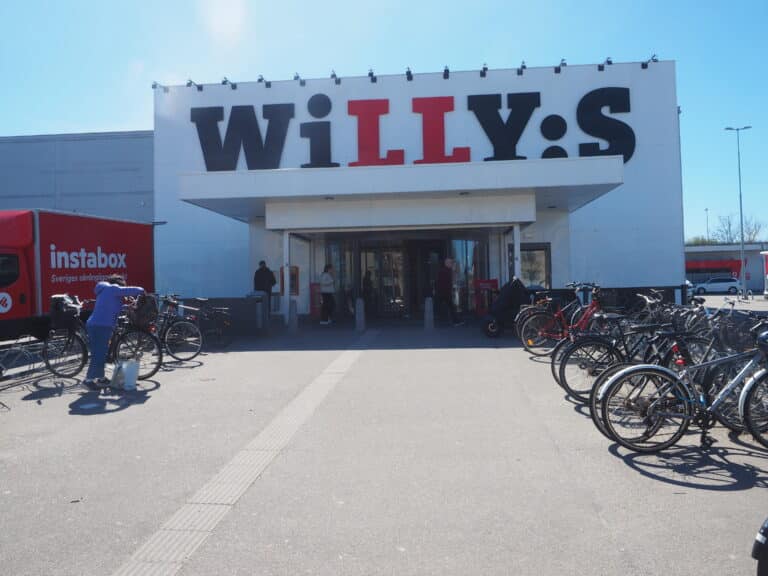
Axfood operates several food retail formats, including Willys discount supermarkets, Hemköp grocery stores and City Gross. The businesses serve shoppers with different expectations around value, range and convenience.
Quarterly sales growth was driven mainly by higher volumes, according to the company. Axfood attributed the stronger consumer environment partly to increased purchasing power, although it stressed that low prices remain essential for many households.
Axfood’s reported group sales were up 1.9% from a year earlier. The company continues to invest in its store concepts, logistics systems and buying operations to manage costs and respond to competition.
The improving City Gross performance matters for suppliers because a financially stronger retail network can sustain assortment development, local sourcing and promotions. It is too early, however, to infer an increase in supplier orders from the profit milestone alone.
Sweden remains a concentrated grocery market where ICA, Axfood and Coop operate competing retail networks. Axfood’s Willys chain competes strongly on value, while Hemköp and City Gross serve a wider range of shopping occasions.
GTN has previously reported Axfood’s move to Fairtrade tea across its Garant range, an example of how buying decisions at group level can influence private-label sourcing.
The next test for Axfood will be whether City Gross can maintain profitability while competition, consumer spending and operating costs continue to change across Sweden’s supermarket sector.