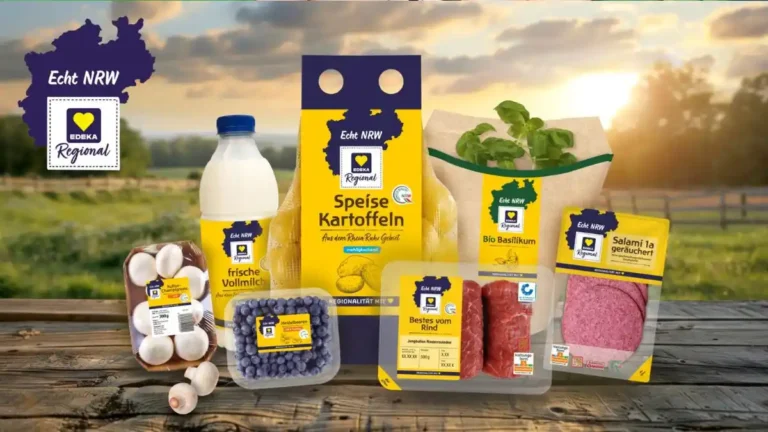

EDEKA Rhein-Ruhr is introducing a new regional food range under the name “EDEKA Regional – genuine NRW,” with products from North Rhine-Westphalia set to appear in stores from calendar week 15. The range will start with meat products, and fruit and vegetables will follow in the spring. In total, around 450 products are expected to be included.
The label means the products come from North Rhine-Westphalia and are produced by regional suppliers. The products will be sold across EDEKA stores in the Rhein-Ruhr region and will be marked with dedicated regional packaging.
Around 200 suppliers from North Rhine-Westphalia are involved in the program, many of them family-run farms. Each supplier works under a framework agreement that covers quality standards and certification. According to EDEKA Rhein-Ruhr, all producers are monitored by independent institutes as well as the retailer’s own quality management system.
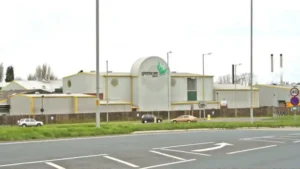
The meat products in the range will come from animal husbandry category 3, where animals are kept in open-air barns with more space than legally required. Processing is handled through EDEKA Rhein-Ruhr’s own Rasting meat processing plant, which allows the retailer to manage sourcing and processing more directly.
EDEKA Rhein-Ruhr has offered regional products for many years, but this new “EDEKA Regional” brand significantly expands the range and gives regional products a clearer identity in stores. The company says consumer demand for regional food is growing, which is one of the reasons behind the expansion of the program.
The launch will be supported by in-store promotions, app campaigns and partnerships with regional events to promote the new regional range.
Why it matters
For supermarkets, this is not just a marketing label. This is a supply chain structure. When a retailer works with around 200 regional suppliers and builds a 450-product range, it means long-term sourcing partnerships, controlled quality standards, and shorter transport routes.
Regional ranges like this are becoming more important in European supermarkets because they give retailers more control over fresh supply, especially in meat and produce. They also help retailers differentiate their private label ranges and respond to demand for local food.
In simple terms, this kind of program strengthens local supply chains while also strengthening the retailer’s own brand range. That’s why more supermarkets in Germany and across Europe are expanding regional private label programs.
Editor’s Note: This article is based on an official announcement from EDEKA Rhein-Ruhr about the launch of the “EDEKA Regional – genuine NRW” range in Germany.