
BrauBeviale opened in Nuremberg on 10 November, bringing beverage production, filling and packaging suppliers together for three days. The programme focuses on making new drinks and using water, energy and existing equipment more efficiently.
The trade fair runs until 12 November at the Nuremberg Exhibition Centre. Its opening is today’s development. Organiser YONTEX outlined the main technical themes in a pre-show release published on 24 September.
That release listed 769 exhibitors from 34 countries across eight halls. These are the organiser’s pre-show figures, rather than a final attendance result. The exhibition covers breweries, wineries and producers of soft drinks, juices and mineral water.
Among Germany’s food industry trade events, BrauBeviale is focused on how beverages are made and brought to market. That gives supermarket suppliers a different task from simply looking for a finished product to list: they can assess whether production and packaging changes support a viable new range.
“What matters is making production facilities flexible enough for producers to manufacture new product variants economically,” said Markus Kosak, executive director of YONTEX, in the September announcement.
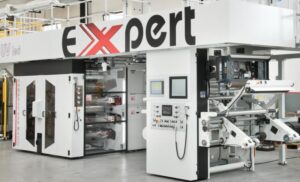
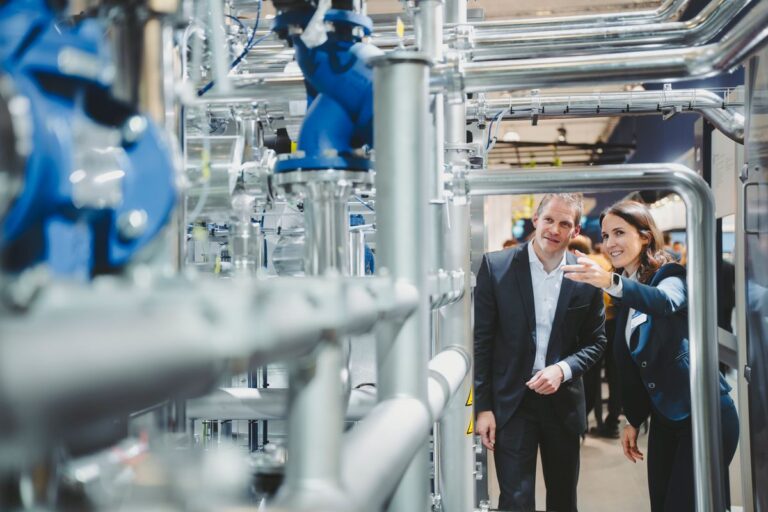
One concept uses a modular external unit to add process functions to existing brewery tanks. The aim is to support other fermented products without upgrading each vessel separately. Whether that is suitable depends on the site and the intended product.
Alcohol-free production is another theme. The organiser describes a system combining membrane separation and vacuum distillation to reduce alcohol while recovering water and volatile aromas. It is designed for drinks including beer, wine and cider.
For buyers assessing an alcohol-free range, processing capability is only part of the picture. Taste, shelf life, supply volumes and the agreed product specification still need to hold up in the finished drink. A successful demonstration does not establish those results for every recipe.
Reusable bottles and lower packaging weight also feature. These developments connect equipment investment with the work of German packaging suppliers. The operating question is whether a pack remains suitable for filling, transport and repeated handling.
A lighter bottle may reduce the weight moved through distribution. Its commercial value also depends on breakage, washing performance and compatibility with the return system. The show’s technology descriptions do not establish a universal saving for every beverage supplier.
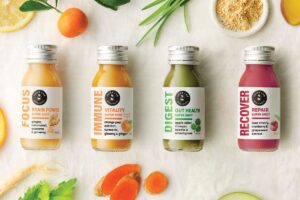
The Discovery Bar in Hall 6 broadens the product discussion to functional drinks, ready-to-drink mocktails, alcohol-free wines and other beverage concepts. Hall 9 brings together the Main Stage, Pilot Area and Focus Corner, combining presentations with demonstrations and workshops.
The programme continues on 11 November with a beverage trends keynote from Charles Banks of thefoodpeople. On 12 November, Peter Désilets of pacoon Sustainability Concepts is scheduled to address the Packaging and Packaging Waste Regulation and its implications for the beverage industry.
Those remaining sessions put product development and packaging requirements alongside investment decisions. The next test for suppliers will be turning the technologies and discussions into validated production trials, workable costs and drinks that customers want to buy.
Editor’s note: Based on YONTEX’s official event information, supporting programme and press release dated 24 September 2026. This is an opening-day report for 10 November, not a claim that the programme was newly announced today. No final visitor totals or independently verified equipment savings are implied.