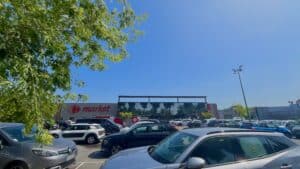


PATRIZIA has acquired 24 newly developed properties leased to Lidl in Italy, Spain and France, adding around 50,000 square metres to its European food retail portfolio.
The investment manager announced the transaction on 20 October. The portfolio includes ten properties in Italy, eight in Spain and six in France, all occupied under leases with Lidl’s local operating companies.
The agreements are long term and linked to consumer price inflation. That gives investors rental income which can adjust with prices, while leaving the supermarket businesses responsible for serving shoppers.
The announcement concerns ownership of store buildings. It does not establish that Lidl has opened 24 additional branches today or acquired another retailer.
Italy accounts for the largest share of properties in the package. Lidl Italia already features among the leading supermarket operators in Italy, where discount chains compete with domestic grocery groups for value-conscious shoppers.
The Spanish properties add a second substantial exposure, with France completing the portfolio. Lidl’s position alongside domestic chains also forms part of the wider French supermarket market.
For grocery suppliers, the immediate significance is the continued commitment of institutional capital to supermarket locations. A long lease can support continuity of occupation, but it does not by itself guarantee higher store sales, additional listings or larger purchasing volumes.
Suppliers assessing a commercial opportunity still need evidence of each catchment’s demand, distribution arrangements and the retailer’s buying plans. Property floor area should not be treated as a forecast of sell-through or a measure of shelf space available to new brands.
The inflation link also deserves attention. Depending on the detailed lease terms, rising consumer prices can feed into occupancy costs. Those obligations sit alongside wages, energy and distribution costs when a retailer assesses store profitability.
GTN’s analysis is that the transaction illustrates the different priorities of landlord and operator: investors seek durable rental income, while supermarket teams must maintain competitive prices and sufficient sales productivity. The announcement does not demonstrate that rent changes will be passed on to shoppers or suppliers.
PATRIZIA said the acquisition extends its established relationship with Lidl and its investment presence in Southern Europe. Its wider European retail platform should not be confused with the value of this individual purchase.
The next useful indicators for grocery businesses will be confirmed store-level plans, any changes to the operating network and evidence of local sales demand. These will show whether the property investment is accompanied by a measurable change in Lidl’s commercial reach.
Editor’s note: Based on PATRIZIA’s company announcement distributed through EQS News on 20 October 2026, cross-checked against European property and business coverage. GTN added analysis of lease indexation, store continuity and the implications for supermarket suppliers.