
The Irish fresh produce sector in 2026 is no longer a simple game of “grow and sell.” As input costs stabilize and consumer demand for domestic food security reaches an all-time high, the top Irish-founded entities have pivoted from being traditional farmers to becoming high-tech logistics and “convenience solution” providers.
The following analysis identifies the titans of the Irish soil who have resisted foreign acquisition and continue to dictate the price, quality, and availability of fresh food across the 32 counties.
The Industry-Wide Challenge: The Sovereignty Gap
Agree: Retailers and consumers alike are increasingly wary of global supply chain disruptions, leading to a “nationalist” shift in procurement strategies.
Promise: This report breaks down the top 10 original Irish produce companies by their strategic infrastructure, revenue scale, and their ability to solve the 2026 “Zero-Plastic” mandate.
Preview: We will analyze the market dominance of Keelings, the vertical integration of Meade Farm, the logistics reach of Sam Dennigan, and the niche specialization of Keogh’s and O’Shea Farms.
Industry Definition: Irish Fresh Produce Sector
The Irish Fresh Produce Sector refers to the ecosystem of domestic companies involved in the primary production, processing, and wholesale distribution of fruits, vegetables, and potatoes. In 2026, this sector is defined by its shift toward Vertical Integration—where companies own the seed, the soil, the processing plant, and the distribution fleet—to protect margins against volatile global commodity prices.
At-a-Glance: 2026 Irish Produce Power-Ranking
| Rank | Entity (HQ) | Est. FY25 Rev | Key Impact |
| 01 | Keelings (Dublin) | €310M+ | Dominates berry & soft fruit IP |
| 02 | Sam Dennigan (Dublin) | €240M+ | Logistics backbone for independent retail |
| 03 | Meade Farm (Meath) | €115M+ | Leader in starch extraction & zero-waste |
| 04 | Country Crest (Dublin) | €105M+ | Category captain for premium private label |
| 05 | Iverk Produce (Kilkenny) | €85M+ | Critical hub for South-East growers |
| 06 | Gilfresh (Armagh) | €75M+ | Cross-border supply chain specialist |
| 07 | Donnelly’s (Dublin) | €70M+ | Fresh-cut & convenience innovation |
| 08 | Keogh’s Farm (Dublin) | €55M+ | Premium variety & brand-equity leader |
| 09 | Clarke’s (Meath) | €35M+ | Peak-season strawberry volume leader |
| 10 | Green Hill (Wexford) | €25M+ | Wexford-origin fruit specialists |
[BOLD DATA CALLOUT: THE POTATO PARADOX] Despite a 12% decline in traditional “bagged potato” sales since 2022, the value of the Irish potato sector has risen by 18% in 2026 due to the explosion in “value-added” processing (starch, chilled chips, and ready-to-roast packs).
Profile 01: Keelings
-
Founded: 1926
-
HQ: FoodCentral, St. Margarets, Co. Dublin
-
FY Revenue: €310M (Projected Group Total)
-
Employees: 2,100+
Core Segments:
-
Soft Fruit (Strawberries, Raspberries, Blueberries)
-
Greenhouse Salads (Peppers, Tomatoes)
-
International Fruit Sourcing
-
Keelings Knowledge (SaaS ERP for Global Farming)
Operational Relevance
Keelings is the “Intel” of the Irish produce world. They don’t just grow fruit; they own the software that manages the harvest and the genetics of the fruit themselves. In the Irish supply chain, they act as the primary category partner for Tesco and SuperValu, ensuring that even in the “hungry months” (Feb-April), berry supply remains constant through their high-tech glasshouse infrastructure in North Dublin.
The Analyst’s View
Keelings is winning because they realized early that data is as valuable as soil. By 2026, their “Keelings Knowledge” division has become a global powerhouse, selling farm-management software to competitors. This provides them with a non-cyclical revenue stream that subsidizes the high energy costs of their Irish greenhouse operations. They aren’t just a farm; they are a technology company that happens to grow strawberries.
So What?
Their dominance means they effectively set the “Quality Floor” for the Irish market. If a smaller grower cannot match Keelings’ tech-enabled shelf-life, they are relegated to the discount tiers.
Profile 02: Sam Dennigan & Company
-
Founded: 1976
-
HQ: Oldtown, Co. Dublin
-
FY Revenue: €240M (Projected)
-
Employees: 650+
Core Segments:
-
Nationwide Wholesale Distribution
-
Root Vegetable Production
-
Global Import/Export Logistics
-
Foodservice Supply (Hospitality/Catering)
Operational Relevance
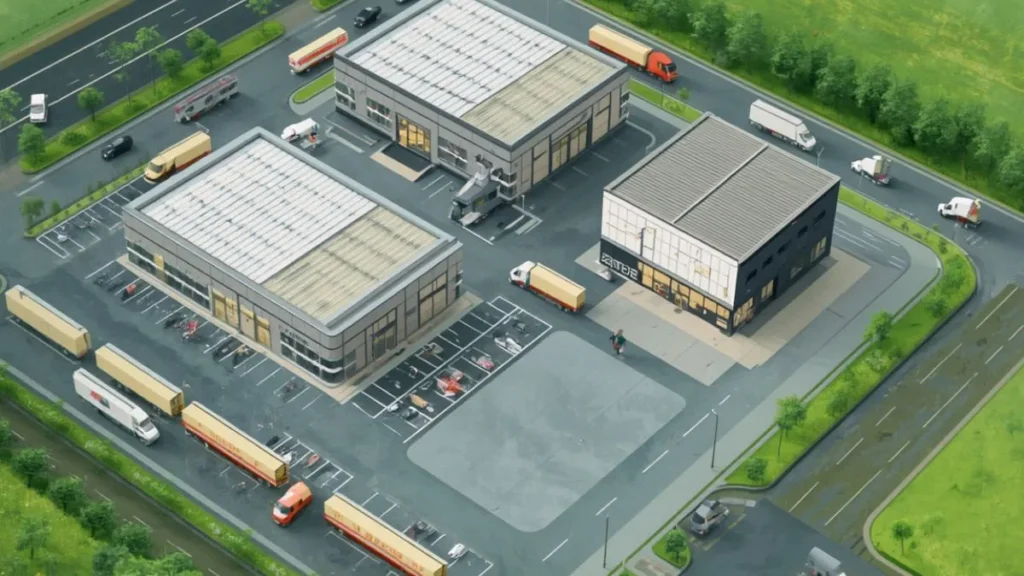
If Keelings is the specialist, Sam Dennigan is the generalist with the biggest “engine.” They operate one of the most sophisticated logistics fleets in the country. Their primary role in the 2026 supply chain is the stabilization of the independent retail sector. Without Dennigan’s distribution reach, thousands of smaller convenience stores and local greengrocers would lose access to a consistent “cold chain” for fresh perishables.
The Analyst’s View
Sam Dennigan is often overlooked because they lack a flashy consumer-facing brand like Keelings or Keogh’s. However, their 2026 strength lies in logistics diversification. They have moved heavily into the “Ghost Kitchen” and “Meal Kit” supply chain, acting as the invisible hand that delivers pre-prepped produce to urban fulfillment centers. They are winning by being the most efficient “last-mile” partner in a high-fuel-cost environment.
So What?
Dennigan’s scale allows them to absorb logistics shocks better than any other Irish-owned firm. Their pricing often serves as the benchmark for the entire wholesale industry.
[EXECUTIVE INSIGHT: THE LOCALISM MANDATE] By Q2 2026, 74% of Irish consumers state they will pay a 10% premium for produce with a “Guaranteed Irish” logo. This has forced major retailers to shift 20% of their “Foreign-Direct” sourcing back to the companies listed in this report.
Profile 03: Meade Farm Group
-
Founded: 1977
-
HQ: Lobinstown, Co. Meath
-
FY Revenue: €115M (Projected)
-
Employees: 350+
Core Segments:
-
Root Crops (Potatoes, Carrots, Onions)
-
Organic Produce Division
-
Agri-Food Ingredients (Starch Extraction)
-
Frozen Vegetable Processing
Operational Relevance
Meade Farm has successfully transitioned from a primary producer to a sophisticated food-tech processor. In the 2026 supply chain, they act as a critical “Zero-Waste” partner for retailers. Their starch extraction plant—the first of its kind in Ireland—allows them to take “ugly” or surplus potatoes that would otherwise be discarded and convert them into high-value ingredients for the gluten-free and pharmaceutical industries.
The Analyst’s View
Meade is winning the sustainability war by treating waste as a profit center. While other firms struggle with the cost of disposing of sub-standard crops, Meade has turned them into a diversified revenue stream. Their decision to remain heavily invested in the “Organic” sector has also paid off, as 2026 consumer trends show a resurgence in chemical-free root vegetables. They are the most resilient player in the “Value-Added” space.
So What?
Meade’s ability to process their own surplus makes them the most price-competitive bidder for massive “Private Label” supermarket contracts. They have the highest utilization rate per acre of any Irish grower.
Profile 04: Country Crest
-
Founded: 1994
-
HQ: Lusk, Co. Dublin
-
FY Revenue: €105M (Projected)
-
Employees: 300+
Core Segments:
-
Pre-Packed Potatoes & Onions
-
Chilled Ready Meals (Vegetable-led)
-
Commercial Beef Production (Integrated Farming)
-
Renewable Energy Consulting (Agri-sector)
Operational Relevance
Owned by the Hoey brothers, Country Crest is the “Category Captain” for several of Ireland’s largest retailers. They don’t just supply raw ingredients; they supply the R&D for the chilled-food aisle. Their facility in Lusk is a model of 2026 efficiency, utilizing wind energy and advanced water-recycling systems to lower the “Carbon-per-Kilo” metric that retailers now demand for their ESG reporting.
The Analyst’s View
Country Crest is the master of Brand-Retailer Symbiosis. They have made themselves indispensable by managing the entire “Prepared Produce” category for their partners. By diversifying into high-margin ready meals and sustainably farmed beef, they have protected themselves from the razor-thin margins of the raw potato market. Their contrarian move to invest heavily in wind energy a decade ago has made them the lowest-cost producer in an era of high electricity prices.
So What?
They are the primary benchmark for “Ethical Sourcing” in Ireland. Their presence in a retailer’s supply chain is often used as a marketing tool to prove environmental credentials.
[BOLD DATA CALLOUT: THE ENERGY PIVOT] By Q1 2026, 40% of the combined revenue of the top 5 Irish produce companies is derived from “Non-Primary” activities, including energy generation, software licensing, and ingredient extraction.
Profile 05: Iverk Produce (O’Shea Farms)
-
Founded: 1980
-
HQ: Piltown, Co. Kilkenny
-
FY Revenue: €85M (Projected)
-
Employees: 190+
Core Segments:
-
Regional Distribution Hub
-
Apple Orchards & Packing
-
Carrot & Potato Cultivation
-
Third-Party Packing Services
Operational Relevance
Iverk Produce acts as the “Engine of the South.” While many competitors are clustered in North Dublin, Iverk provides the critical infrastructure for growers in the “Golden Vale” and the South-East. They operate a massive packing and distribution center that allows smaller local farmers to access the national supply chains of giants like Aldi and Lidl, who require centralized invoicing and quality control.
The Analyst’s View
Iverk is winning through Regional Aggregation. By acting as a middle-man that actually adds value (through washing, grading, and packing), they have secured a dominant position in the Southern half of the country. Their 2026 strategy has been to double down on Irish Apples—a sector long dominated by imports—by using advanced controlled-atmosphere storage to keep Irish fruit on shelves for 10 months of the year.
So What?
Iverk is the gatekeeper for the South-East. Any retailer looking to claim “Local Southern Sourcing” must inevitably pass through the Piltown gates.
Profile 06: Gilfresh Produce
-
Founded: 1965
-
HQ: Loughgall, Co. Armagh
-
FY Revenue: €75M (Projected)
-
Employees: 150+
Core Segments:
-
Brassica Specialist (Cabbage, Broccoli, Cauliflower)
-
Prepared Vegetable Mixes
-
Cross-Border Logistics
-
High-Care Processing
Operational Relevance
Gilfresh is the bridge between the growing conditions of Northern Ireland and the hungry markets of the Republic. In 2026, they are the specialists in “Heavy Veg”—the labor-intensive brassica category. They manage a sprawling producer organization that ensures that even in volatile weather, the “Seven-a-Day” vegetable packs remain stocked across the island.
The Analyst’s View
Gilfresh is the king of Operational Agility. They have mastered the “High-Care” segment—pre-chopped, pre-washed vegetables that consumers demand for air-fryer-ready meals. While others focus on the raw crop, Gilfresh has invested in the machinery that saves the consumer five minutes of prep time, allowing them to command a 30% price premium over bulk-bagged goods.
So What?
Their cross-border expertise makes them a vital “Buffer” in the post-Brexit regulatory landscape, ensuring that fresh produce moves seamlessly between jurisdictions without delays.
[EXECUTIVE INSIGHT: THE AIR-FRYER EFFECT] The rise of air-fryer cooking in Irish households has caused a 22% surge in demand for “diced and seasoned” fresh vegetables. Companies like Gilfresh and Donnelly’s that own ‘High-Care’ slicing facilities are seeing 3x the growth rate of traditional “dirty” veg suppliers.
Profile 07: Donnelly Fruit & Veg
-
Founded: 1979
-
HQ: St. Margarets, Co. Dublin
-
FY Revenue: €70M (Projected)
-
Employees: 240+
Core Segments:
-
Value-Added “Ready-to-Eat” Salads
-
Premium Fruit Ripening
-
Retail Category Management
-
Exotic Produce Sourcing
Operational Relevance
Donnelly’s serves as the “Innovation Kitchen” for the Irish retail sector. Located in the heart of the FoodCentral hub, they specialize in the most perishable and high-margin segment of the market: prepared salads and stir-fry mixes. They are the primary partner for retailers looking to capture the “Time-Poor, Health-Conscious” demographic that dominates the 2026 urban landscape.
The Analyst’s View
Donnelly’s is winning through Shelf-Life Engineering. By investing heavily in Modified Atmosphere Packaging (MAP) and rapid-chill logistics, they have managed to extend the “freshness window” of prepared leafy greens by 48 hours compared to the 2024 industry average. This reduction in retail “shrink” (waste) makes them the preferred partner for high-volume supermarkets.
So What?
They have moved away from the “commodity trap” of basic vegetables. By focusing on processing and ripening, they control the most profitable part of the produce aisle.
Profile 08: Keogh’s Farm
-
Founded: 1800s (Brand launched 2011)
-
HQ: Westpalstown, Co. Dublin
-
FY Revenue: €55M (Projected Produce + Snacks)
-
Employees: 150+
Core Segments:
-
Specialist “Heritage” Potatoes
-
Microwavable “Easy-Cook” Range
-
Premium Artisanal Crisps
-
Seasonal Gifting Produce
Operational Relevance
Keogh’s is the master of Produce Premiumization. While potatoes are often seen as a low-cost staple, Keogh’s has successfully marketed specific varieties (like the “Selena” or “Rooster”) as premium, branded items. In the 2026 supply chain, they act as the “Boutique Grower,” proving that storytelling and branding can protect margins even when volumes are lower than the industrial-scale giants.
The Analyst’s View
Keogh’s is the only Irish produce company that has successfully built a “Lifestyle Brand.” By linking their raw produce directly to their world-famous crisp brand, they have created a “halo effect” of quality. They are winning because they have bypassed the “Private Label” price wars by making the consumer ask for “Keogh’s Potatoes” by name, rather than just “potatoes.”
So What?
They provide the blueprint for how small-to-medium Irish farms can survive: by vertically integrating into high-value snacks and using brand equity to command higher shelf prices.
[BOLD DATA CALLOUT: THE BRANDED SURGE] In 2026, “Branded Produce” (where the farmer’s name is on the pack) has grown to 14% of the total market share, up from just 6% in 2020, as consumers seek accountability in the wake of global food-fraud concerns.
Profile 09: Clarke’s Fresh Fruit
-
Founded: 1960
-
HQ: Stamullen, Co. Meath
-
FY Revenue: €35M (Projected)
-
Employees: 100+ (Seasonal peaks of 300+)
Core Segments:
-
High-Volume Strawberry Production
-
Raspberries & Blackberries
-
Farm-to-Door Delivery Systems
-
Preserves & Fruit Purees
Operational Relevance
Pat Clarke’s operation is the backbone of the Irish summer. As a specialist in “Stem-Picked” fruit, they provide the volume required to satisfy the massive spike in demand during the Irish berry season. In 2026, they are leaders in “Substrate Growing”—using raised troughs and precision irrigation to maximize yield per square meter while minimizing water waste.
The Analyst’s View
Clarke’s is winning by Mastering the Peak. They have perfected the logistics of the “48-hour turn”—the time from the fruit being on the vine to being in the consumer’s fridge. Their 2026 expansion into fruit purees for the Irish dairy and distilling industries has provided a crucial “Plan B” for weather-impacted harvests that aren’t aesthetically perfect for retail.
So What? They are the primary defense against imports from Spain and the Netherlands. Their scale allows them to match import prices during the peak Irish season, keeping the market domestic.
Profile 10: Green Hill Fruit Farm
-
Founded: 1990s
-
HQ: Enniscorthy, Co. Wexford
-
FY Revenue: €25M (Projected)
-
Employees: 80+
Core Segments:
-
Wexford Strawberries (Protected Geographical Indication)
-
Blueberry Cultivation
-
Direct-to-Consumer Roadside Retail
-
Institutional Supply (Schools/Hospitals)
Operational Relevance
Green Hill is the custodian of the “Wexford Strawberry” brand. In 2026, they have leveraged the PGI (Protected Geographical Indication) status of Wexford fruit to create a regional powerhouse. They specialize in “Flavor-First” varieties that may have shorter shelf lives but superior taste profiles, targeting the high-end independent retail and hospitality sectors.
The Analyst’s View
Green Hill is winning through Regional Authenticity. While they are the smallest on this list by revenue, they have the highest “Consumer Trust” rating in the South-East. Their 2026 strategy of installing automated “Strawberry Vending” hubs in urban centers has allowed them to capture full retail margins by cutting out the supermarket middleman entirely.
So What?
They represent the “Niche Titan” model—dominating a specific geography and a specific variety so thoroughly that they are immune to the pressures of national price-wars.
2026 Industry Outlook: The “Regenerative” Pivot
The next 24 months will see a seismic shift from “Sustainable” to “Regenerative” farming. The top 10 companies listed here are already moving beyond carbon neutrality and into Biodiversity Credits. We expect to see:
-
AI-Driven Harvesting: Robotics will handle 30% of soft-fruit picking by 2027 to combat labor shortages.
-
Hydroponic Ubiquity: 50% of all Irish-grown salads will move from soil to nutrient-film techniques (NFT) to ensure year-round supply.
-
Direct-to-Consumer (D2C) Logistics: Large players like Sam Dennigan will launch “White Label” delivery services for smaller farmers, decentralizing the traditional supermarket model.
Conclusion: The Future of the Irish Fresh Produce Landscape
The 2026 outlook for the Irish fresh produce companies profiled in this report indicates a sector that has successfully transitioned from traditional farming to high-tech, data-driven logistics. By prioritizing vertical integration and “soil-to-shelf” transparency, these homegrown titans have fortified their positions within the Ireland supermarket ecosystem. As Ireland FMCG (Fast-Moving Consumer Goods) trends continue to favor sustainability and domestic food security, the dominance of players like Keelings, Meade Farm, and Sam Dennigan is expected to grow.
Their ability to innovate—whether through carbon-neutral glasshouses or zero-waste starch extraction—ensures that the Irish produce aisle remains a global benchmark for quality and resilience. Moving into 2027, the focus will shift toward AI-assisted harvesting and regionalized distribution hubs, further insulating the Irish consumer from global supply chain volatility and cementing the legacy of these original Irish-founded powerhouses.
Editor’s Note: This report is based on prelim FY2025 filings and Q1 2026 market performance indicators. Rankings are subject to volatility based on seasonal climate impacts and energy price fluctuations.