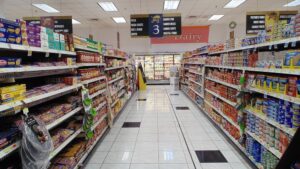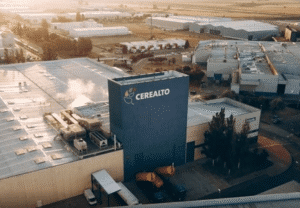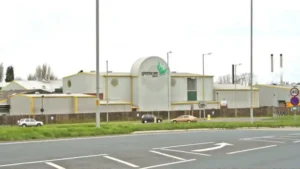

Norway’s packaging industry is built on a mix of domestic manufacturers and multinational groups. They supply materials and formats used by food producers, seafood exporters and retail supply chains.
The packaging companies in Norway featured in this ranking represent the core industrial segments shaping the market:
- Fibre-based cartons
- EPS and polymer packaging
- Corrugated transport packaging
- Recycled board
- Labels
- Fibre consumer packaging
The ten companies included are Elopak, BEWI, Smurfit Westrock, Berry Superfos, VPK Packaging, Ranheim Paper & Board, Glomma Papp, Hexagon Ragasco, Skanem Group and Moltzau Packaging.
This ranking uses a hybrid methodology. It combines verified FY2024 revenue, where publicly available, with structural relevance inside Norway’s packaging ecosystem. That approach gives a clearer picture of the companies influencing packaging supply chains in Norway in 2026.
Ranking Overview
| Rank | Company | HQ / Norway Base | FY2024 Revenue | Main Packaging Role |
|---|---|---|---|---|
| 1 | Elopak | Spikkestad, Norway | €1.157bn | Liquid carton packaging |
| 2 | BEWI | Trondheim, Norway | €773.2m* | EPS and polymer packaging |
| 3 | Smurfit Westrock | Global group / Norway operations | $21.1bn | Corrugated & paper-based packaging |
| 4 | Berry Superfos | Amcor (since 2025) | $12.3bn** | Rigid plastic packaging |
| 5 | VPK Packaging | Halden, Norway operations | €1.8bn (Group) | Corrugated transport packaging |
| 6 | Ranheim Paper & Board | Trondheim, Norway | ~NOK 3bn (Est.) | Recycled cartonboard |
| 7 | Glomma Papp | Sarpsborg, Norway | ~NOK 1bn (Est.) | Corrugated board & boxes |
| 8 | Hexagon Ragasco | Raufoss, Norway | ~NOK 800m (Est.) | Composite container packaging |
| 9 | Skanem Group | Stavanger, Norway | €50m (Est.) | Labels & plastic containers |
| 10 | Moltzau Packaging | Skedsmokorset, Norway | Private | Fibre-based consumer packaging |
* Continuing operations after restructuring.
** Standalone FY2024 revenue used to reflect the final reporting period before the Amcor–Berry combination.
1. Elopak
- Founded: 1957
- Headquarters: Spikkestad, Norway
- FY Revenue: €1.157 billion (FY2024)
- Employees: about 2,700 globally
Core Segments
- Liquid carton packaging
- Filling systems
- Beverage packaging
- Dairy cartons
Operational Relevance
Elopak is the most prominent Norwegian packaging company with global reach.
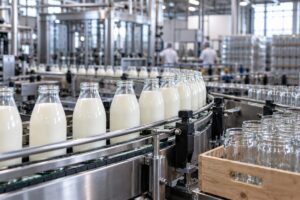
Its fibre-based liquid cartons are widely used by dairy processors and beverage producers supplying supermarket shelves. The company’s Pure-Pak carton system is one of the most recognisable packaging formats in the global beverage market.
Elopak plays a structural role in Norway’s packaging landscape. It combines domestic industrial roots with international packaging distribution.
Cartons produced through Elopak systems support everyday retail categories such as milk, plant-based drinks and juices.
Market Position
The company sits within the fibre-based packaging segment, which has gained importance across Europe.
Retailers and food producers are steadily moving toward packaging that combines product protection with recyclability and lower plastic use.
Strategic Direction
Elopak’s current strategy focuses on expanding fibre-based solutions and improving the environmental performance of beverage cartons.
This matches regulatory pressure across European retail supply chains to reduce plastic packaging and improve recycling outcomes.
2. BEWI
- Founded: 1980
- Headquarters: Trondheim, Norway
- FY Revenue: €773.2 million (FY2024 continuing operations)
Core Segments
- Expanded polystyrene packaging
- Polymer packaging solutions
- Protective food transport packaging
- Circular material solutions
Operational Relevance
BEWI is one of the most influential packaging manufacturers in the Nordic region.
Its packaging systems are widely used in temperature-sensitive food logistics. This is especially true for seafood transport and chilled food distribution.
A key structural point is that BEWI acquired the packaging and insulation company Jackon in 2022.
Jackon’s operations are now consolidated into BEWI’s reporting. This is why Jackon does not appear as a separate entry in a 2026 ranking.
Market Position
The company’s packaging serves several industries:
- Seafood export
- Fresh food logistics
- Protective transport packaging
These segments remain central to Norway’s export-driven food supply chains.
Strategic Direction
BEWI is investing in circular packaging systems and expanded recycling capacity.
Polymer recycling and the reuse of packaging materials are increasingly important. European regulators are pushing for lower waste levels across packaging markets.
3. Smurfit Westrock
- Founded: Combined entity formed in 2024
- Headquarters: Dublin, Ireland
- FY Revenue: $21.1 billion (FY2024)
Core Segments
- Corrugated boxes
- Retail-ready packaging
- Paper-based transport packaging
- E-commerce packaging
Operational Relevance
Smurfit Westrock is one of the largest packaging producers globally.
It is not headquartered in Norway. Even so, its corrugated packaging systems are widely used throughout European retail supply chains.
Corrugated packaging remains a basic part of product distribution. It lets goods move efficiently from manufacturers to supermarkets.
Market Position
The group’s scale and manufacturing footprint place it among the most influential suppliers of fibre-based transport packaging.
Its products support logistics networks, warehouse operations and retail-ready packaging displays.
Strategic Direction
The company continues investing heavily in recyclable fibre packaging. Corrugated materials remain attractive to retailers because they combine strength, recyclability and efficient transport performance.
4. Berry Superfos
- Current owner: Amcor (since 2025)
- FY Revenue reference: $12.3 billion (Berry Global FY2024)
Core Segments
- Rigid plastic containers
- Dairy packaging
- Food tubs and containers
- Recycled plastic packaging
Operational Relevance
Berry’s Superfos rigid packaging formats are widely used across food and dairy categories. These containers appear often in chilled food, spreads and dairy packaging in European supermarkets.
Berry is now part of Amcor following the 2025 combination. However, the final standalone FY2024 revenue figure remains the clearest benchmark for its scale.
Market Position
Rigid plastic packaging remains essential for many food categories. These need durability, resealability and barrier protection.
Strategic Direction
The company has focused on increasing recycled plastic content and improving packaging recyclability. These changes respond to growing environmental regulations affecting plastic packaging across Europe.
5. VPK Packaging
- Founded: 1935 (Group)
- Norway Operations: Halden plant
- FY Revenue: €1.8 billion (FY2024 group turnover)
Core Segments
- Corrugated boxes
- Retail-ready packaging
- Food and beverage transport packaging
- E-commerce packaging
Operational Relevance
VPK is one of the most significant corrugated packaging producers operating directly in Norway.
Its Halden production facility supplies packaging to industries including food manufacturing, retail distribution and e-commerce logistics.
Market Position
Corrugated packaging remains essential in supply chains. It enables efficient storage, handling and transport of goods.
Strategic Direction
VPK’s growth strategy centres on recyclable fibre packaging and operational efficiency in transport packaging.
6. Ranheim Paper & Board
- Headquarters: Trondheim, Norway
- Revenue: Private (estimated around NOK 3 billion)
Core Segments
- Recycled cartonboard
- Testliner and fluting
- Coreboard
- Packaging board
Operational Relevance
Ranheim Paper & Board is one of the most important producers of recycled fibre packaging materials in Norway.
The company converts recycled paper into packaging board used in various industrial and consumer packaging applications.
Market Position
Material producers such as Ranheim operate upstream in the packaging supply chain. They supply board materials used by packaging manufacturers.
Strategic Direction
The company’s focus on recycled fibre aligns with circular packaging strategies across Europe.
7. Glomma Papp
- Headquarters: Sarpsborg, Norway
- Revenue: Private (estimated around NOK 1 billion)
Core Segments
- Corrugated board
- Transport packaging
- Display packaging
- Custom packaging formats
Operational Relevance
Glomma Papp is one of Norway’s long-standing corrugated packaging manufacturers. Its products support logistics networks across manufacturing, food processing and retail distribution.
Market Position
Corrugated packaging remains a core packaging material because of its durability and recyclability.
Strategic Direction
The company continues focusing on packaging efficiency and recyclable fibre materials.
8. Hexagon Ragasco
- Headquarters: Raufoss, Norway
- Current owner: Worthington Enterprises (since 2024)
- Estimated revenue: around NOK 800 million
Core Segments
- Composite gas cylinders
- Lightweight containers
- Transportable pressure vessels
- Industrial packaging solutions
Operational Relevance
Hexagon Ragasco designs and manufactures composite cylinders used in energy and industrial markets.
Its packaging category differs from consumer packaging. Even so, its container manufacturing expertise makes it an important part of Norway’s wider packaging manufacturing sector.
Market Position
The company remains a major industrial manufacturer in Raufoss. This is still the case after Worthington Enterprises acquired it in 2024.
Strategic Direction
Innovation in lightweight composite containers continues to drive demand in energy and transport applications.
9. Skanem Group
- Founded: 1905
- Headquarters: Stavanger, Norway
- Estimated revenue: €50 million
Core Segments
- Packaging production
- Plastic containers through Bergen Plastics
- Industrial packaging products
- Packaging operations across multiple markets
Operational Relevance
Skanem’s historical label business was sold in 2021. The group then rebuilt a packaging footprint through acquisitions, including Bergen Plastics.
The company now operates as a smaller but still relevant Norwegian packaging group.
Market Position
Skanem remains one of the few packaging groups with Norwegian headquarters and international operations.
Strategic Direction
The company’s current focus is rebuilding packaging operations and expanding product manufacturing in new markets.
10. Moltzau Packaging
- Headquarters: Skedsmokorset, Norway
- Revenue: Private
Core Segments
- Fibre-based consumer packaging
- Retail packaging design
- Food packaging
- Plastic replacement packaging
Operational Relevance
Moltzau Packaging specialises in fibre-based consumer packaging designed to replace plastic formats where possible. The company operates a modern production facility focused on sustainable packaging development.
Market Position
Its packaging solutions are increasingly relevant as retailers and producers seek alternatives to single-use plastics.
Strategic Direction
Moltzau continues to develop fibre packaging formats aimed at reducing environmental impact in food and consumer packaging.
Structural Analysis: Norway’s Fibre Packaging Ecosystem
Fibre-based packaging plays a major role in Norway’s packaging industry. Cartonboard, corrugated packaging and fibre-based consumer packaging support food retail distribution and export logistics.
Several companies show how fibre materials are built into the supply chain:
- Elopak
- Ranheim Paper & Board
- VPK Packaging
- Moltzau Packaging
Paper-based packaging materials are widely recycled and fit well within circular packaging systems. As environmental regulation increases across Europe, demand for fibre packaging continues to grow.
Structural Analysis: Seafood Exports and Cold-Chain Packaging
Norway’s seafood industry significantly influences packaging demand. Exported seafood must stay fresh during long-distance transport. This requires reliable cold-chain packaging.
Three packaging types play a central role in keeping product quality during shipping:
- Expanded polystyrene containers
- Insulated packaging
- Protective transport packaging
Companies such as BEWI have built packaging systems specifically designed for this industry.
Structural Analysis: Sustainability and Circular Packaging
Packaging regulation across Europe increasingly focuses on recycling targets and waste reduction.
Norway has developed strong producer responsibility systems. These are designed to manage packaging materials and encourage recycling.
These policies are pushing packaging companies toward recyclable materials, improved packaging design and circular packaging models.
Frequently Asked Questions
Which is the leading packaging company in Norway?
Elopak ranks first, with FY2024 revenue of €1.157 billion. It is the most prominent Norwegian packaging company with global reach, known for its Pure-Pak carton system.
Why does Jackon not appear in this ranking?
BEWI acquired Jackon in 2022. Jackon’s operations are now consolidated into BEWI’s reporting, so it does not appear as a separate entry.
Why is cold-chain packaging important in Norway?
Norway’s seafood exports must stay fresh during long-distance transport. Expanded polystyrene containers, insulated packaging and protective transport packaging help keep product quality during shipping.
Conclusion
The companies in this ranking show how packaging companies in Norway combine domestic manufacturing strength with global supply chain integration.
They make fibre cartons, corrugated transport packaging, polymer containers and composite packaging systems. These manufacturers provide essential infrastructure for food production, export logistics and everyday retail distribution across the Norway supermarket sector.
Packaging continues to evolve as environmental regulation, material innovation and logistics efficiency reshape the industry.
For suppliers serving the Norway supermarket supply chain and food manufacturing sector, recyclable materials and packaging optimisation are becoming central priorities.
Sustainability requirements are tightening, and retailers are placing greater focus on packaging performance. Norway’s packaging sector will remain closely tied to developments in circular materials, fibre-based alternatives and modern Nordic retail packaging systems.
Editor’s Note: This article is based on publicly available company reports and official disclosures where available. FY2024 figures are used when verified. Revenue for private companies is listed as estimates or marked private where audited figures are not publicly disclosed.