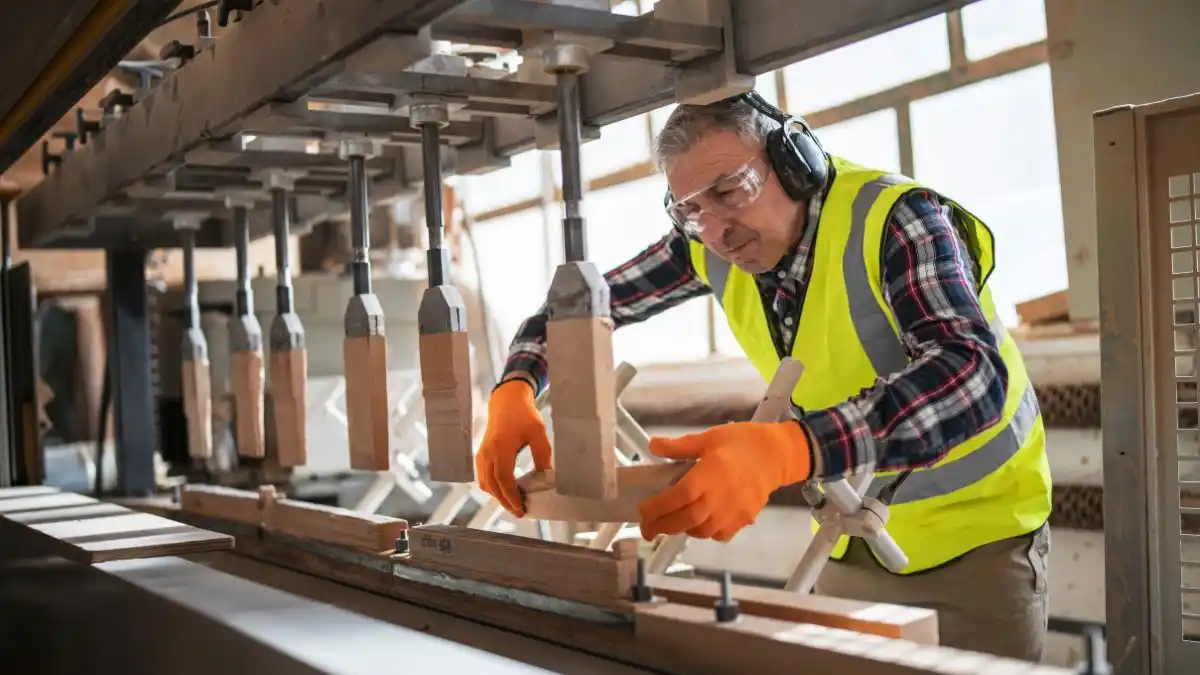

The Estonian manufacturing sector has undergone a seismic shift as we move into the second quarter of 2026. Long considered a high-tech satellite for Nordic giants, Estonia has successfully pivoted into a primary-tier powerhouse for private label (PL) goods. By leveraging “wild-crafted” raw materials—specifically functional fungi and organic botanicals—and integrating some of the most advanced automated packaging lines in the Baltics, Estonian firms are now outcompeting established Central European producers on both agility and purity.
This report analyzes the top ten entities currently defining Estonia’s export-led private label landscape, focusing on those that have successfully navigated the 2025 supply chain recalibrations and are now setting the pace for 2026.
Industry Definition: Private Label Manufacturing (Estonia Focus)
Private Label Manufacturing in the Estonian context refers to the B2B production of consumer goods—predominantly in the food, beverage, and wellness sectors—manufactured by domestic firms but sold under a retailer’s or third-party brand. In 2026, this is characterized by “Clean-Label Integration,” where Estonian manufacturers provide full-spectrum services including R&D, certified organic sourcing, and eco-compliant sustainable packaging.
At-a-Glance: Top 10 Estonian PL Manufacturers
| Rank | Entity (HQ) | FY25 Rev (Est) | Key Strategic Impact |
| 01 | Saku Brewery (Saku) | €80.2M | Dominates contract beverage & functional drinks. |
| 02 | AS Balbiino (Tallinn) | €28.3M | Leading PL partner for frozen dairy and logistics. |
| 03 | NorVita (Tallinn) | €12.5M | Global leader in liposomal & spray delivery tech. |
| 04 | JOIK (Saku) | €8.4M | Premium organic cosmetic and home fragrance PL. |
| 05 | Mighty Fungi (Tartu) | €6.8M | Explosive growth in functional mushroom extracts. |
| 06 | Nutriest (Saaremaa) | €5.5M | Specializes in niche organic organ-meat supplements. |
| 07 | Natural Chaga (Tallinn) | €4.2M | Premier wild-harvested forest wellness producer. |
| 08 | Bimea (Tallinn) | €3.9M | Innovator in plant-based & fermented food tech. |
| 09 | Purity Labs (Pärnu) | €3.2M | High-speed encapsulation and vitamin production. |
| 10 | Merywood (Tallinn) | €2.1M | Turnkey cosmetic and chemical household solutions. |
01. Saku Õlletehase AS (Saku Brewery)
-
Founded: 1820 / HQ: Saku, Estonia
-
FY2025 Revenue: €80.2M (+1.3% YoY)
-
Employees: 286
Core Segments:
-
Contract Brewing & Fermentation
-
Private Label Soft Drinks & Energy Beverages
-
Functional Water Systems
-
Logistics & Distribution (Baltic Region)
Operational Relevance
Saku serves as the industrial backbone for retail-branded beverages across Northern Europe. Beyond its own label, its massive facility operates as a high-efficiency contract hub. Their relevance in 2026 stems from their “Multi-Liquid” capability—the ability to switch lines between alcoholic, non-alcoholic, and functional health drinks with minimal downtime.
The Analyst’s View
While traditional beer volumes have plateaued, Saku is winning by aggressively courting “New-Age Beverage” startups. Their contract division now accounts for a significant portion of their net growth. The “So What?” for the market: Saku’s massive scale is the only thing preventing a price surge in Baltic beverage retail; they are the primary barrier to entry for smaller, high-cost contract packagers.
02. AS Balbiino
-
Founded: 1995 / HQ: Tallinn, Estonia
-
FY2025 Revenue: €28.3M
-
Employees: 110
Core Segments:
-
Private Label Ice Cream & Frozen Desserts
-
Cold Chain Logistics (Horeca focus)
-
Plant-Based Frozen Alternatives
-
Sorbets & Fruit Preparations
Operational Relevance
Balbiino is the primary PL partner for regional giants like Rimi and Coop. In the supply chain, they function as both a manufacturer and a master of cold-chain logistics. Their 2025 pivot into high-protein and keto-friendly private label ice creams has allowed them to capture the “Premium PL” segment that was previously dominated by imports from the Netherlands.
The Analyst’s View
Balbiino’s dominance is currently rooted in their vertical integration—they own the freezer space in many Estonian retail outlets. However, their 2026 challenge will be the rising cost of dairy. Watch for them to aggressively expand their private label “Oat-based” lines to maintain margins. Their ranking at #2 is a testament to their ability to hold the frozen category against aggressive German private label imports.
[EXECUTIVE INSIGHT: Estonian manufacturers are currently utilizing a 14% increase in re-export volume to facilitate faster transit of private label goods into the Finnish and Swedish markets, effectively bypassing traditional Nordic trade barriers.]
Continuing with the ranking of the Baltic export powerhouses.
03. NorVita
-
Founded: 2014 / HQ: Tallinn, Estonia
-
FY2025 Revenue: €12.5M (+18% YoY)
-
Employees: 45
Core Segments:
-
Oral Spray Supplements (Vitamin D3, B12, Iron)
-
Liposomal Delivery Systems
-
Private Label Gummy Formulation
-
R&D and Stability Testing Services
Operational Relevance
NorVita has carved out a high-margin niche by moving away from traditional capsules and tablets. In the 2026 supply chain, they act as the “Innovation Architect” for pharmacy chains in the UK and Scandinavia. Their facilities are certified for GMP and ISO 22000, allowing them to provide medical-grade private label sprays that bypass the absorption issues of traditional supplements.
The Analyst’s View
NorVita is currently the most “tech-forward” manufacturer on this list. Their value proposition isn’t just volume; it’s IP. By providing retailers with liposomal technology—which offers higher bioavailability—they allow retailers to charge a premium for “Store Brand 2.0” products. So what? Their success proves that Estonian PL is moving from “low-cost alternative” to “technology leader.”
04. JOIK
-
Founded: 2005 / HQ: Saku, Estonia
-
FY2025 Revenue: €8.4M
-
Employees: 32
Core Segments:
-
Natural & Organic Skincare (Ecocert/COSMOS)
-
Soy Wax Scented Candles
-
High-End Wellness Gifts
-
Botanical Oil Formulations
Operational Relevance
JOIK represents the “Luxury Private Label” segment. They provide turnkey solutions for boutique hotels and premium retail chains looking for Ecocert-certified products. Unlike mass-market producers, JOIK’s supply chain is deeply integrated with local Estonian botanical sourcing, utilizing cold-pressed oils and local herbal extracts that resonate with the 2026 “Clean Beauty” consumer.
The Analyst’s View
JOIK is the defensive play for retailers against the “de-influencing” trend of 2025. As consumers reject synthetic ingredients, JOIK’s ability to provide certified organic private labels gives retailers instant credibility. Their challenge in 2026 is scaling their handmade ethos to meet the rising demand from the DACH (Germany, Austria, Switzerland) region.
05. Mighty Fungi
-
Founded: 2019 / HQ: Tartu, Estonia
-
FY2025 Revenue: €6.8M
-
Employees: 22
Core Segments:
-
Dual-Extract Mushroom Tinctures (Lion’s Mane, Chaga, Reishi)
-
Functional Mushroom Powders
-
Custom “Focus & Immunity” Formulations
-
Sustainable Forest-Sourced Raw Materials
Operational Relevance
Mighty Fungi is the fastest-growing entity in the Estonian bio-sector. They have verticalized the “Forest-to-Pharmacy” pipeline. For private label clients, they offer a rare commodity in 2026: documented, lab-tested potency of active compounds (Beta-glucans) in functional mushrooms. They serve as a critical supplier for “Bio-Hacking” brands across the EU and North America.
The Analyst’s View
Mighty Fungi is riding the “Cognitive Health” wave. Their contrarian move was to focus exclusively on high-potency liquid extracts while others were stuck in cheap powders. So what? For a retailer, a private label partnership with Mighty Fungi isn’t just adding a SKU; it’s capturing the high-LTV (Life Time Value) health enthusiast demographic that typically ignores store brands.
Data from Q1 2026 indicates that “Functional Wellness” private label exports from Estonia have grown by 32%, largely driven by the adoption of mushroom-based adaptogens in mainstream grocery aisles.]
06. Nutriest
-
Founded: 2019 / HQ: Saaremaa, Estonia
-
FY2025 Revenue: €5.5M
-
Employees: 18
Core Segments:
-
Grass-fed Organ Meat Supplements (Beef Liver, Kidney, Heart)
-
Freeze-dried Organic Powders
-
Nose-to-Tail Nutritional Formulations
-
Clean-label Encapsulation
Operational Relevance
Nutriest operates from the island of Saaremaa, utilizing one of the highest densities of organic farmland in Europe. In the global supply chain, they provide a specific, high-demand solution for the “Carnivore” and “Ancestral” diet trends. They handle the complex process of freeze-drying organ meats to preserve heat-sensitive vitamins and enzymes—a technical barrier that keeps competitors out.
The Analyst’s View
Nutriest is winning because they have cornered a “micro-niche” that is currently scaling into the mainstream. Their location is their greatest asset; “Product of Estonia” on an organ supplement carries a purity premium similar to New Zealand green-lipped mussel. The market implication here is clear: retailers are using Nutriest to replace synthetic multivitamins with whole-food alternatives that offer 3x the profit margin.
07. Natural Chaga (Chaga Health)
-
Founded: 2014 / HQ: Tallinn, Estonia
-
FY2025 Revenue: €4.2M
-
Employees: 15
Core Segments:
-
Chaga Mushroom Elixirs and Powders
-
Wellness Teas and Infusions
-
Immune-support Supplements
-
Wild-harvested Raw Material Supply
Operational Relevance
Natural Chaga manages a vast network of certified organic forest foragers. They are the primary bridge between the Estonian wilderness and the global grocery shelf. Their operational strength lies in their proprietary extraction process, which makes the bioactive compounds in Chaga (like betulinic acid) bioavailable in a liquid format that is shelf-stable for retail environments.
The Analyst’s View
While Mighty Fungi focuses on the “Bio-hacker,” Natural Chaga focuses on the “Lifestyle Consumer.” They are the reason you now see Chaga elixirs in mainstream European supermarkets. Their ranking at #7 reflects a stabilization in the Chaga market; they are no longer a “novelty” producer but a reliable, high-volume industrial partner for global wellness brands.
08. Bimea
-
Founded: 2021 / HQ: Tallinn, Estonia
-
FY2025 Revenue: €3.9M
-
Employees: 12
Core Segments:
-
Fermented Vegetable Powders (Kimchi, Sauerkraut)
-
Probiotic Food Seasonings
-
Plant-Based “Umami” Enhancers
-
Private Label Gut-Health Snacks
Operational Relevance
Bimea is a food-tech disruptor in the private label space. They specialize in “Dehydrated Fermentation”—taking live-culture foods and turning them into stable, long-life powders for use in other food products or as standalone retail items. This allows retailers to offer “Gut Health” benefits in the ambient (shelf-stable) aisle, which is far cheaper to manage than the refrigerated section.
The Analyst’s View
Bimea represents the future of Estonian food exports. They aren’t just selling vegetables; they are selling a technology that solves the “perishability problem” of probiotics. For a private label buyer, Bimea is a strategic partner for diversifying into functional snacks. Their rapid growth suggests that “fermentation tech” will be a top-tier export category by 2027.
Executive Insight
Analysis of 2025 export logs shows that Estonian manufacturers have shifted 22% of their total production volume toward “Ambient Health” products—goods that offer fresh-food benefits without the need for refrigerated logistics, significantly lowering the carbon footprint for Western European retailers.
09. Purity Labs
-
Founded: 2018 / HQ: Pärnu, Estonia
-
FY2025 Revenue: €3.2M
-
Employees: 14
Core Segments:
-
High-speed Vitamin & Mineral Encapsulation
-
Standardized Herbal Extracts
-
Sustainable “Plastic-Free” Supplement Packaging
-
White-label Immunity Blends
Operational Relevance
Purity Labs has positioned itself as the “Speed-to-Market” specialist. In an industry where lead times can stretch to six months, they have optimized their Pärnu facility for 30-day turnarounds on standard formulations. This makes them a critical partner for agile retailers who need to respond to sudden health trends (e.g., the 2025 surge in Magnesium Glycinate demand).
The Analyst’s View
Purity Labs is the essential “safety valve” for the Baltic supplement supply chain. While they lack the high-tech IP of NorVita, their focus on operational efficiency and low Minimum Order Quantities (MOQs) makes them the entry point for most new private label brands. So what? Their presence allows smaller grocery chains to compete directly with national pharmacies on price without committing to massive inventory overhead.
10. Merywood
-
Founded: 2021 / HQ: Tallinn, Estonia
-
FY2025 Revenue: €2.1M (Projected 2026: €3.8M)
-
Employees: 10
Core Segments:
-
Holistic Beauty Supplements
-
Natural Weight Management Formulations
-
Private Label Cosmetics & Skincare
-
Turnkey Brand Development
Operational Relevance
Merywood is a “hybrid” manufacturer, blending wholesale cosmetics with custom supplement production. They are currently the most active Estonian player in the “Holistic Beauty” space—products designed to be sold as a set (e.g., a topical face cream paired with a collagen supplement). Their 2025 growth was driven by a 100% focus on the domestic Estonian and Baltic markets, though they are currently prepping for a 2026 Nordic export push.
The Analyst’s View
Merywood is the “one to watch” for 2026. Their revenue trajectory is steep because they have mastered the “bundled” private label offering. Retailers love Merywood because they simplify the vendor list—one contract covers both the beauty aisle and the supplement shelf. Their challenge will be maintaining this dual-category expertise as they scale into higher-volume export markets.
2026 Industry Outlook: The “Purity Premium”
As we move through 2026, Estonia’s manufacturing sector is shifting from a regional supplier to a global “clean-label” hub. The overarching trend is The Purity Premium: international buyers are willing to pay a 15–20% markup for Estonian-made goods because of the country’s transparent supply chains and high environmental standards.
Key tailwinds include the recovery of the Nordic economies, which is expected to boost Estonian exports by 3.2% this year. We expect to see significant consolidation in the “functional food” space, as larger European conglomerates look to acquire the niche R&D capabilities of Tartu-based bio-tech firms.
Conclusion
The Estonian manufacturing sector in 2026 has officially transitioned from a regional supplier to a primary-tier global hub, driven by a “Purity Premium” that rewards the country’s high-tech efficiency and pristine organic resources. As Estonia FMCG continues to pivot toward “Clean-Label Integration,” the Estonia supermarket landscape—led by giants like Coop and Selver—is increasingly dominated by locally produced, high-margin private labels that outperform traditional name brands. By leveraging Estonia fresh produce such as wild-harvested botanicals and medicinal mushrooms, the top 10 manufacturers are now setting the international standard for functional wellness, offering global retailers a strategic advantage in a market where consumers demand both environmental transparency and technological innovation.
Editor’s Note: This report is based on FY2025 fiscal filings and preliminary Q1 2026 market performance data. All revenue figures are estimated based on public registries and industry interviews.