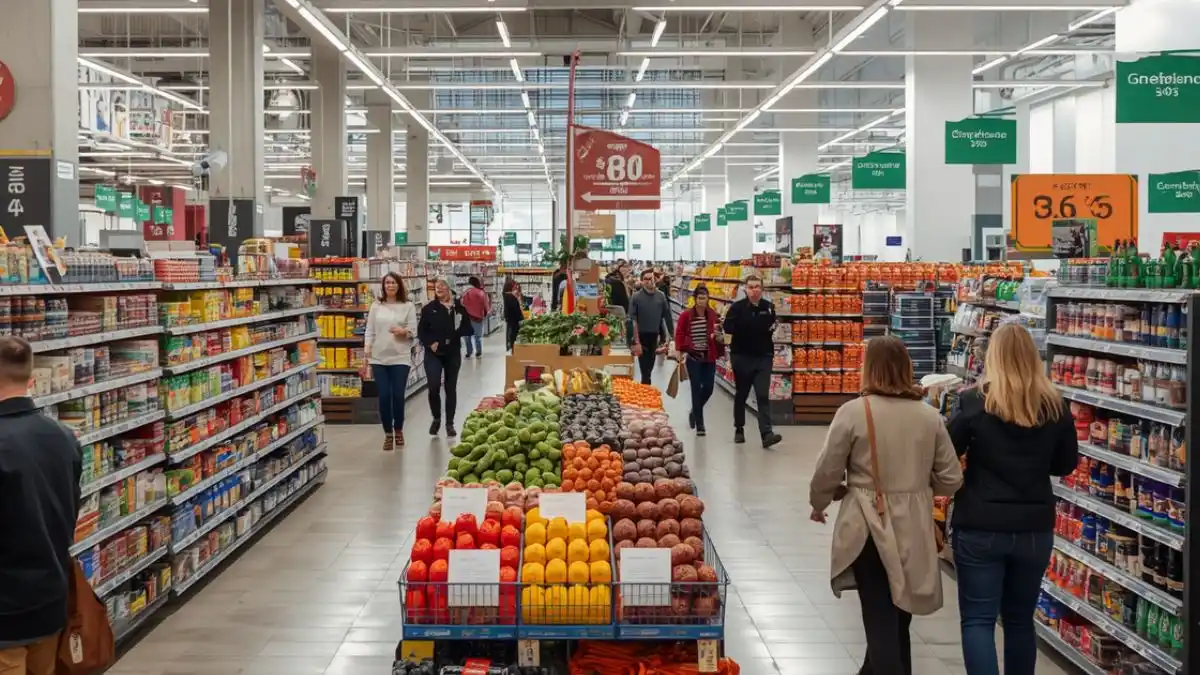

Estonia’s €3.2 billion grocery market has hit a critical tipping point in 2026. While total revenue across the top 10 chains remains high, actual sales volumes are shrinking as residents struggle with persistent food inflation and rising energy costs. This has sparked a brutal “efficiency war” where traditional leaders like Coop and Selver are being forced to automate stores to cut labor costs, while aggressive discounters like Lidl and Maxima cannibalize the market share of mid-tier retailers. In this climate, survival is no longer about store count, but about who can offer the lowest price through vertical integration or the highest convenience through AI-driven logistics.
At-a-Glance: The Revenue Leaderboard (Prelim 2026)
| Rank | Entity (HQ) | FY Rev | Key Strategic Impact |
| 01 | Coop (Tallinn) | €856M | Rural dominance & banking synergy. |
| 02 | Selver (Tallinn) | €621M | Premium anchor for Tallinna Kaubamaja. |
| 03 | Maxima (Vilnius) | €599M | Low-cost efficiency leader. |
| 04 | Rimi (Salling) | €483M | Post-acquisition pivot to Scandinavian eco-retail. |
| 05 | Grossi (Rakvere) | €253M | Vertical integration through local meat production. |
| 06 | Prisma (Helsinki) | €206M | 24/7 hypermarket niche in urban hubs. |
| 07 | Lidl (Neckarsulm) | €150M+ | Market-wide price deflation catalyst. |
| 08 | Meie (Lääne-Viru) | €55M* | The “Last Mile” rural specialist. |
| 09 | A1000 (Tartu) | €42M* | Hard-discounting and cross-border arbitrage. |
| 10 | Aldar (Tallinn) | €31M* | Beverage and convenience hybrid specialist. |
Profile 01: Coop Estonia
-
Founded: 1917
-
HQ: Tallinn, Estonia
-
FY Revenue: €856 Million
-
Employees: ~4,500
-
Core Segments: Maksimarket (Hyper), Konsum (Super), A ja O (Convenience), Coop Pank (Banking).
Operational Relevance
Coop operates as a central union of 19 regional consumer cooperatives. Unlike its competitors, Coop’s supply chain is deeply embedded in rural Estonia, where it often serves as the sole provider of both groceries and banking services. Their decentralized structure allows regional societies to tailor local produce procurement, making them the largest buyer of local agricultural output.
The Analyst’s View
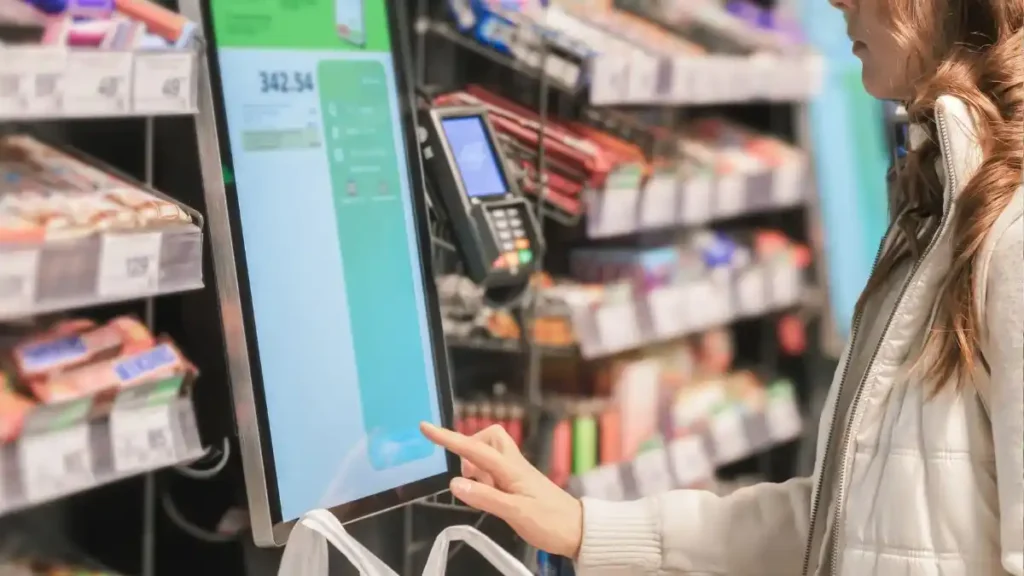
Coop remains untouchable in terms of footprint (330+ stores), but their 1% revenue dip in 2024 highlights a vulnerability to rising logistics costs in rural areas. By 2026, their “Smart Store” autonomous containers are no longer experiments but a survival necessity to maintain presence in depopulating regions.
So What?
If Coop fails to integrate its banking (Coop Pank) and retail loyalty data by year-end 2026, they risk losing the “total wallet share” battle to more tech-agile competitors like Selver.
Coop accounts for nearly 25% of the total Estonian grocery market share by floor space, yet only 21% by revenue efficiency.]
Profile 02: Selver AS
-
Founded: 1995
-
HQ: Tallinn, Estonia
-
FY Revenue: €621 Million
-
Employees: ~3,200
-
Core Segments: Selver Supermarkets, Selver ABC (Hardware hybrid), Selveri Köök (Ready-to-eat).
Operational Relevance
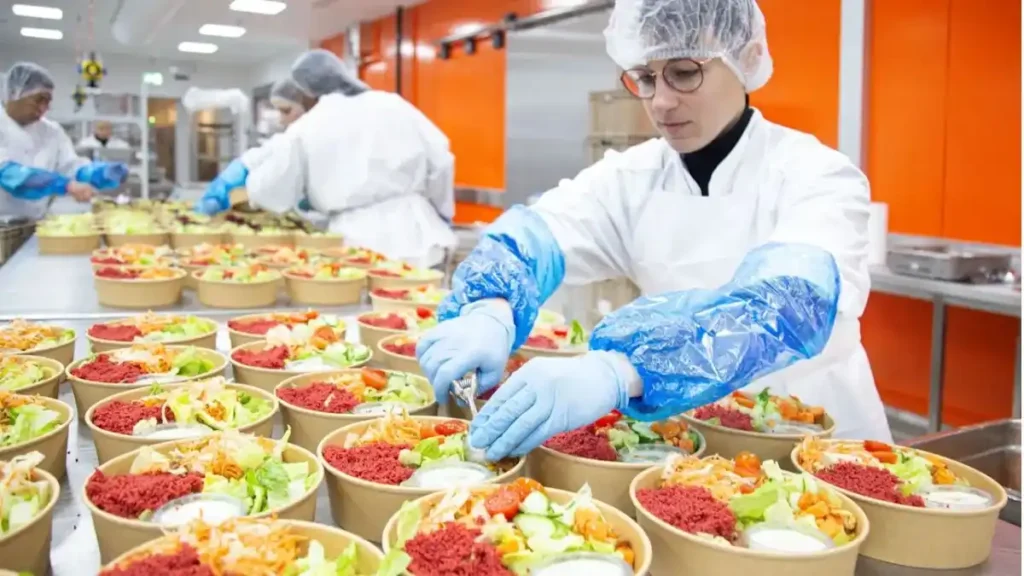
As a subsidiary of the Tallinna Kaubamaja Group, Selver targets the middle-to-high income demographic. Their supply chain is distinguished by “Selveri Köök,” one of the largest industrial kitchens in the Baltics, which produces high-margin, ready-to-eat meals that insulate the brand from the low-margin price wars of basic commodities.
The Analyst’s View
Selver is the “defensive stock” of Estonian retail. While Maxima and Lidl fight over the price of milk, Selver wins on convenience and quality. However, their reliance on high-traffic mall locations has become a liability as “hyper-convenience” (home delivery) scales.
So What?
Selver’s 2026 success depends entirely on their e-commerce logistics. They currently lead in service quality, but their price premium is being tested by a shrinking middle class.
Profile 03: Maxima Eesti
-
Founded: 2004 (In Estonia)
-
HQ: Vilnius (Group) / Tallinn (Local)
-
FY Revenue: €599 Million
-
Employees: ~3,500
-
Core Segments: Maxima X (Neighborhood), XX (Super), XXX (Hyper), Barbora (e-Grocery).
Operational Relevance
Maxima is the efficiency engine of the Baltics. Their operations are characterized by aggressive cost-cutting and a centralized “Aitäh” loyalty program that utilizes predictive AI to drive footfall via personalized weekly discounts. They are the primary competitor to Lidl in the “value” segment.
The Analyst’s View
Maxima’s 2025 strategy involved a massive wave of store renovations to shed their “budget-only” image. It worked—they were the only one of the “Big Three” to post a revenue increase (+1%) in the previous fiscal cycle. So What? Maxima has successfully positioned itself as the “smart choice” for families. By 2026, their focus has shifted to automated logistics (dark stores) to keep Barbora competitive against Bolt Market.
Executive Insight: The “Price Sensitive” segment in Estonia has grown from 38% to 46% of the population since 2023, directly benefiting Maxima and Lidl at the expense of Rimi and Selver.
Profile 04: Rimi Eesti Food AS
-
Founded: 1993
-
HQ: Tallinn (Owned by Salling Group as of 2025)
-
FY Revenue: €483 Million
-
Employees: ~2,800
-
Core Segments: Rimi Hyper, Rimi Super, Rimi Mini, Rimi Express.
Operational Relevance
Formerly part of ICA Gruppen, Rimi’s 2025 acquisition by the Danish Salling Group has triggered a massive structural pivot. They are currently the market leader in ESG (Environmental, Social, and Governance) metrics, focusing heavily on reducing food waste and plastic packaging—a strategy that appeals to Estonia’s younger, urban workforce.
The Analyst’s View
Rimi is in a precarious middle-ground. They lack the price-point of Maxima and the “local hero” status of Coop/Selver. Their revenue growth has been sluggish. So What? Under Salling Group ownership, 2026 is a “reset” year. Expect Rimi to lean heavily into Danish-style private labels (Salling, Budget) to undercut local brands while maintaining a “Scandi-cool” aesthetic.
Profile 05: OG Elektra (Grossi Toidukaubad)
-
Founded: 1991
-
HQ: Rakvere, Estonia
-
FY Revenue: €253 Million
-
Employees: ~1,800
-
Core Segments: Grocery retail, Meat processing, Bakery, Logistics.
Operational Relevance
Grossi is the only major Estonian chain that is vertically integrated. They own the farms, the slaughterhouses, the logistics fleet, and the stores. This allows them to maintain price floors that even Lidl struggles to match on specific meat and dairy categories.
The Analyst’s View
Grossi is the dark horse of the Estonian market. While others saw revenues plateau, Grossi’s turnover surged by nearly 10% in 2024/25. They are the primary beneficiary of the “cost-of-living crisis.” So What? Grossi’s expansion into Tallinn (traditionally their weak spot) poses the biggest threat to Maxima’s dominance in the low-cost neighborhood segment.
Profile 06: Prisma Peremarket
-
Founded: 2000 (In Estonia)
-
HQ: Helsinki (S-Group)
-
FY Revenue: €206 Million
-
Employees: ~700
-
Core Segments: Hypermarkets.
Operational Relevance
Owned by the Finnish S-Group, Prisma operates on a hypermarket-only model. They emphasize a “Permanently Low Price” strategy rather than short-term promotions, and they were the first in Estonia to adopt 24/7 operating hours for major stores.
The Analyst’s View
Prisma is struggling. A 6% revenue drop in the last reported cycle suggests that the “big box” hypermarket model is losing steam in Estonia.
So What?
To survive 2026, Prisma must leverage its Finnish “S-Etukortti” ecosystem more effectively for cross-border shoppers and focus on non-food categories (home/leisure) where they still hold a competitive edge over smaller supermarkets.
Profile 07: Lidl Eesti OÜ
-
Founded: 2022 (Estonia entry)
-
HQ: Neckarsulm, Germany (Group) / Tallinn (Local)
-
FY Revenue: €162.5 Million (2025)
-
Employees: ~1,000
-
Core Segments: Hard Discount, Private Label (Pilos, Lupilu).
Operational Relevance
Lidl operates on a high-velocity, limited-assortment model. By 2026, they have expanded to 18+ locations, focusing on high-traffic urban arteries. Their supply chain is unique in Estonia for its reliance on “Lidl-exclusive” logistics that bypass local wholesalers, allowing them to maintain a ~15-20% price advantage on staples like dairy and dry goods.
The Analyst’s View
Lidl is no longer just a “newcomer”; it is the primary driver of market deflation. Their 7.2% revenue growth in 2025—during a period of national consumption decline—is a loud signal that Estonians are trading down.
So What?
Lidl’s entry has triggered a “Private Label War.” Every other chain on this list has had to relaunch their budget lines specifically to prevent a mass exodus of customers to Lidl.
Despite its late entry, Lidl has already captured an estimated 7% of the Tallinn metropolitan grocery spend.]
Profile 08: Meie Toidukaubad (RR Lektus AS)
-
Founded: 1993
-
HQ: Rakvere / Lääne-Viru, Estonia
-
FY Revenue: ~€55 Million (Estimated 2025)
-
Employees: ~600
-
Core Segments: Rural convenience, Community supermarkets.
Operational Relevance
Meie (meaning “Our”) focuses on the “Last Mile” of Estonian geography. With over 65 stores, they specialize in small-format retail in villages where the Big Three find it unprofitable to operate. Their supply chain relies on high-frequency, small-volume deliveries of essential daily goods.
The Analyst’s View
Meie is the ultimate “proximity” player. They don’t compete on price with Maxima or Lidl; they compete on time and distance.
So What?
As fuel prices remain volatile in 2026, Meie’s “walkable” rural locations are seeing a resurgence. However, they face a labor crisis, as staffing dozens of remote shops is becoming prohibitively expensive.
Profile 09: A1000 Market (A1M OÜ)
-
Founded: 2017
-
HQ: Tartu, Estonia
-
FY Revenue: ~€42 Million (Estimated 2025)
-
Employees: ~200
-
Core Segments: Hard Discount, Alcohol retail (Alko1000).
Operational Relevance
A1000 is a “no-frills” warehouse discounter. Their stores feature pallet-based displays and minimal staffing. They gained notoriety via the “Latvian border trade” (Alko1000) but have successfully pivoted to a domestic grocery model focused on bulk buying and cross-border arbitrage of European brands.
The Analyst’s View
A1000 thrives on “The Hunt.” Their customers are looking for specific deals—often 30-50% cheaper than Selver—on imported household goods. So What? They are the most vulnerable to Lidl’s expansion. As Lidl moves into secondary cities like Narva and Pärnu, A1000 must find a niche beyond just “cheap,” likely leaning into their strong alcohol and tobacco margins to subsidize grocery prices.
Profile 10: Aldar Market (Aldar Eesti OÜ)
-
Founded: 1994
-
HQ: Tallinn, Estonia
-
FY Revenue: ~€31 Million (Estimated 2025)
-
Employees: ~350
-
Core Segments: Convenience stores, CityAlko, Sadama Market.
Operational Relevance
Aldar operates a hybrid model of neighborhood convenience stores and specialty beverage outlets. They have a strategic presence in Tallinn’s harbor (Sadama Market), capturing the lucrative Finnish tourist “booze cruise” and daily commuter spend.
The Analyst’s View
Aldar is a niche specialist. They don’t try to be a weekly-shop destination. Instead, they own the “top-up” shop market.
So What?
Their survival in 2026 depends on their ability to integrate high-margin beverage sales with “fresh-to-go” food. They are the most likely candidate for an acquisition by a larger player like Coop looking to bolster its “Express” portfolio.
2026 Industry Outlook: The “Efficiency or Exit” Era
The Estonian grocery landscape has shifted from a “Big Four” to a “Big Five” power dynamic, as Lidl officially cements its place alongside Coop, Selver, Maxima, and Rimi. With labor costs at an all-time high, the market is moving toward a 15% share of fully autonomous, unstaffed transactions, while the rise of Private Labels—like Coop’s Hüva or Selver’s own-brand lines—is eating into the margins of traditional FMCG brands like Kalev and Saku. To survive the new EU “Green Tax” on packaging, retailers are leaning into Estonia fresh produce and vertical integration, giving a 5% margin edge to self-sufficient players like Grossi who own their supply chain. Smaller chains must now find a geographical “moat” or a specialty niche to avoid being crushed in a price-war crossfire where efficiency is the only way to protect a 2% profit margin.
Editor’s Note: Market data for 2026 is based on early-year performance indicators and the “Real Estate Market Report” trends for the Baltics. All revenue projections are in EUR.