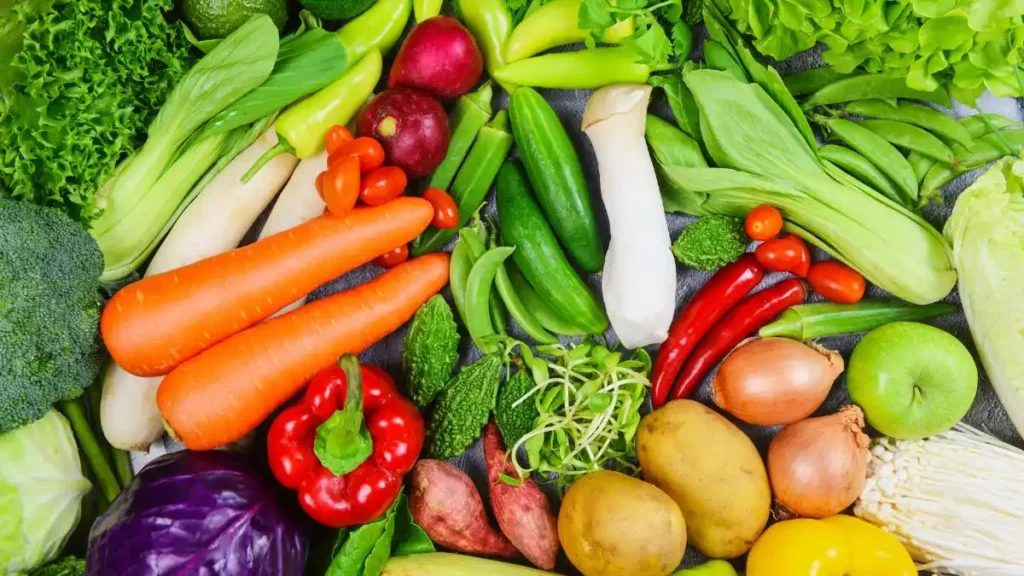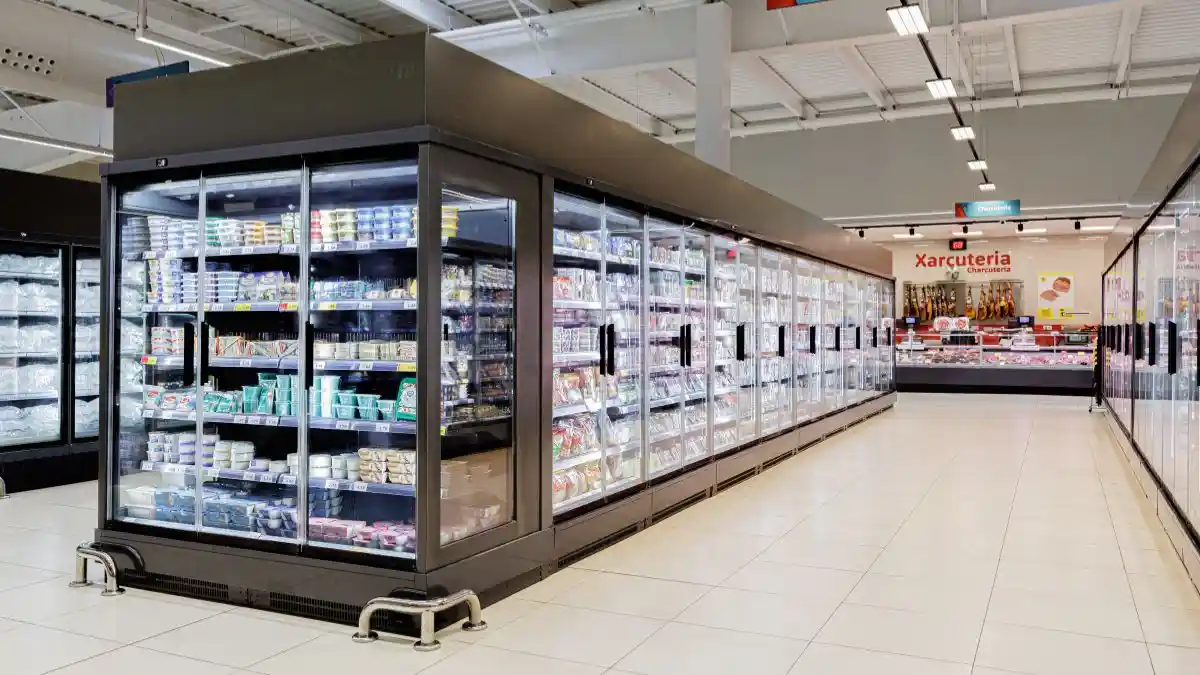

Hungary’s grocery retail sector is dominated by a combination of international supermarket chains and large domestic cooperative networks that distribute food and fast-moving consumer goods across the country. The largest supermarkets in Hungary include Lidl Hungary, SPAR Hungary, Tesco Hungary, Coop Hungary, CBA Group, Penny Market Hungary, Aldi Hungary, Auchan Hungary, Reál Hungária and Metro Hungary. Together these retailers operate thousands of stores ranging from discount supermarkets and hypermarkets to cooperative grocery shops in smaller towns. Their combined activity forms the backbone of Hungary’s organised grocery market and connects domestic food manufacturers, fresh-produce suppliers and packaging companies with consumers nationwide.
Top 10 Supermarkets in Hungary
| Rank | Supermarket | Headquarters | Hungarian Revenue (Approx.) | Structure |
|---|---|---|---|---|
| 1 | Lidl Hungary | Germany | HUF 1,323B (~€3.3B) | Discount supermarket |
| 2 | SPAR Hungary | Austria | HUF 1,023B (~€2.5B) | Supermarket & hypermarket |
| 3 | Tesco Hungary | United Kingdom | HUF 890B (~€2.2B) | Hypermarket chain |
| 4 | Coop Hungary | Hungary | HUF 860B (~€2.1B) | Cooperative supermarket network |
| 5 | CBA Group | Hungary | HUF 630B (~€1.5B) | Franchise supermarket network |
| 6 | Penny Market Hungary | Germany | HUF 518B (~€1.3B) | Discount supermarket |
| 7 | Aldi Hungary | Germany | HUF 490B (~€1.2B) | Discount supermarket |
| 8 | Auchan Hungary | France | HUF 366B (~€0.9B) | Hypermarket |
| 9 | Reál Hungária | Hungary | HUF 340B (~€0.8B) | Retail alliance network |
| 10 | Metro Hungary | Germany | HUF 280B (~€0.7B) | Wholesale cash-and-carry |
Revenue figures reflect approximate annual turnover generated within Hungary based on the most recently available fiscal disclosures and industry estimates.
1. Lidl Hungary
Founded: 1973 (Schwarz Group)
Headquarters: Neckarsulm, Germany
Hungarian Revenue: ~HUF 1,323 billion
Employees: Several thousand in Hungary
Core Segments
• Discount supermarkets
• Private-label grocery products
• Fresh produce and chilled foods
• Logistics and distribution infrastructure
• European retail operations
Operational Relevance: Lidl has become the leading supermarket retailer in Hungary, operating a large network of modern discount stores across cities and regional towns. Its logistics infrastructure and centralised procurement system allow efficient nationwide distribution of food products.
Market Position: The retailer has held the top position in Hungary’s grocery retail ranking for several consecutive years. Competitive pricing and extensive private-label assortments have made Lidl particularly attractive to price-sensitive consumers.
Strategic Direction: Investment continues in store upgrades, logistics expansion and product assortment development. Lidl’s strategy in Hungary focuses on maintaining price competitiveness while expanding fresh food and private-label categories.
2. SPAR Hungary
Founded: 1932
Headquarters: Salzburg, Austria
Hungarian Revenue: ~HUF 1,023 billion
Employees: More than 14,000 in Hungary
Core Segments
• Supermarkets
• INTERSPAR hypermarkets
• Convenience grocery stores
• Private-label products
• Retail logistics
Operational Relevance: SPAR Hungary operates a nationwide network of supermarkets and large hypermarkets. The retailer’s supply chain infrastructure supports extensive product assortments including fresh food, bakery items and ready-to-eat meals.
Market Position: SPAR remains one of the country’s largest grocery retailers and one of the first supermarket operators in Hungary to exceed the HUF 1 trillion turnover threshold.
Strategic Direction: The company continues investing in store modernisation, digital retail technologies and logistics infrastructure to improve operational efficiency.
3. Tesco Hungary
Founded: 1919
Headquarters: United Kingdom
Hungarian Revenue: ~HUF 890 billion
Core Segments
• Hypermarkets
• Supermarkets
• Online grocery retail
• Private-label products
• Retail logistics
Operational Relevance: Tesco operates large hypermarkets and supermarkets across Hungary. These stores provide a wide range of grocery and non-food products, serving as large retail hubs in major urban centres.
Market Position: Despite strong competition from discount retailers, Tesco maintains a significant market share due to its extensive store network and established brand presence.
Strategic Direction: The company continues focusing on operational efficiency, digital services and improvements to its online grocery platform.
4. Coop Hungary
Founded: Early 1990s cooperative network
Headquarters: Budapest, Hungary
Hungarian Revenue: ~HUF 860 billion (network turnover)
Core Segments
• Cooperative grocery stores
• Supermarkets
• Food distribution
• Private-label retail products
• Regional retail logistics
Operational Relevance: Coop Hungary operates one of the largest domestic grocery store networks. The cooperative structure connects thousands of smaller retailers through shared procurement and logistics systems.
Market Position: Although individual stores are smaller than those operated by multinational retailers, the network’s combined footprint gives Coop significant national coverage.
Strategic Direction: The cooperative continues focusing on modernising stores and improving coordination between regional partners.
5. CBA Group
Founded: 1992
Headquarters: Budapest, Hungary
Hungarian Revenue: ~HUF 630 billion
Core Segments
• Supermarkets
• Franchise grocery stores
• Private-label food products
• Retail logistics
• Food distribution
Operational Relevance: CBA operates a franchise network connecting independent retailers under a shared brand and purchasing system.
Market Position: The company remains one of the largest Hungarian-owned grocery retailers with strong regional coverage.
Strategic Direction: CBA continues modernising store formats and strengthening relationships with domestic food producers.
Gemini said: To keep the flow consistent and prevent lag, here are the full-form sections for retailers 6 through 10, following the exact structure you used for the first five.
6. Penny Market Hungary
Founded: 1973 (REWE Group)
Headquarters: Alsónémedi, Hungary
Hungarian Revenue: ~HUF 518 billion
Core Segments
-
Discount supermarket retail
-
Private-label food products (Sissy, Karát, Aranykosár)
-
Fresh bakery and produce
-
Retail logistics and distribution
Operational Relevance: Penny Market operates one of the most established discount networks in Hungary, focusing on high-density residential areas and smaller regional hubs. Its “concept stores” focus on energy efficiency and a streamlined customer experience.
Market Position: The chain is a key player in the “big three” discount segment (alongside Lidl and Aldi). It is particularly recognized for its strong loyalty program (Penny Market Card) and high penetration in rural and provincial towns.
Strategic Direction: In 2026, Penny continues to prioritize digital transformation, including the expansion of its “Penny Go” digital services and the modernization of its logistics center in Alsónémedi to support increased fresh-food volumes.
7. Aldi Hungary
Founded: 1913 (Aldi Süd)
Headquarters: Biatorbágy, Hungary
Hungarian Revenue: ~HUF 490 billion
Core Segments
-
Discount supermarkets
-
High-quality private-label products
-
Specialized “Free From” (allergen-free) ranges
-
Logistics and supply chain management
Operational Relevance: Aldi operates a rapidly expanding network known for its “hard discount” efficiency. Its headquarters and main logistics hub in Biatorbágy serve as the central nerve center for its nationwide store rollout.
Market Position: Aldi holds a reputation for high efficiency and premium quality within the discount sector. It has gained significant market share by positioning itself as a “smart” choice for urban professionals and middle-income families.
Strategic Direction: Aldi is currently focusing on “Green Logistics,” investing in electric truck fleets and solar-powered stores. Expansion of its “Azon melegében” (Freshly Baked) in-store bakery concept remains a core foot-traffic driver for 2026.
8. Auchan Hungary
Founded: 1961
Headquarters: Budaörs, Hungary
Hungarian Revenue: ~HUF 366 billion
Core Segments
-
Hypermarkets
-
Supermarkets
-
E-commerce and “Click & Collect”
-
Private-label household and food goods
Operational Relevance: Auchan is the primary operator of “big-box” hypermarkets in Hungary, often serving as the anchor tenant in major suburban shopping parks. Its logistics network is built to handle massive volumes of both food and non-food items.
Market Position: Following a recent ownership shift and strategic reset, Auchan is repositioning itself to be more competitive. It serves as a major distribution hub for families performing large-scale weekly shopping trips.
Strategic Direction: The company has announced an ambitious “2032 Strategy” aimed at tripling its turnover. In 2026, the focus is on renovating existing hypermarkets to optimize space and launching more “Auchan CoolBox” refrigerated parcel machines in city centers.
9. Reál Hungária
Founded: 2001
Headquarters: Budapest, Hungary
Hungarian Revenue: ~HUF 340 billion (network turnover)
Core Segments
-
Regional supermarket networks (Reál Élelmiszer)
-
Convenience stores (Reál Pont)
-
Wholesale and retail logistics
-
Private-label domestic products
Operational Relevance: Reál operates as a retail alliance of independent Hungarian entrepreneurs. It uses a tiered system, from larger “Reál Élelmiszer” supermarkets to smaller “Reál Pont” neighborhood shops, ensuring a presence in virtually every corner of the country.
Market Position: As one of the three pillars of Hungarian-owned retail (alongside Coop and CBA), Reál is a critical partner for local food producers. It competes by offering convenience and a “neighborhood” feel that larger international chains cannot replicate.
Strategic Direction: Reál is focused on strengthening its regional distribution centers to better compete with international discount chains on price while maintaining its status as a local, community-focused retailer.
10. Metro Hungary
Founded: 1964 (Metro AG)
Headquarters: Budaörs, Hungary
Hungarian Revenue: ~HUF 280 billion
Core Segments
-
Cash-and-carry wholesale
-
HoReCa (Hotel/Restaurant/Catering) supply
-
Professional food services
-
B2B distribution and logistics
Operational Relevance: Metro is the backbone of the Hungarian hospitality industry. While it allows individual memberships, its primary operational focus is supplying professional kitchens, small retailers, and office environments.
Market Position: Metro occupies a unique niche in the Top 10 as the only wholesale-first operator. It is the dominant force in high-volume food distribution and a key price indicator for the professional sector.
Strategic Direction: Metro’s 2026 strategy focuses on “Multichannel Wholesale,” integrating a robust online ordering platform with direct-to-restaurant delivery services to reduce the reliance on physical store visits by professional clients.
Regulatory Environment and the 2026 Market Context
Hungary’s supermarket sector operates within a challenging regulatory environment. One of the most significant factors affecting retailer profitability is the country’s special retail tax, which can reach up to 4.5 percent of turnover for large retailers.
This tax structure has created pressure on supermarket margins, particularly for international chains operating large store networks. In recent years several retailers have reported financial losses in Hungary despite record revenue levels, largely due to taxation and government price regulations affecting staple food products.
The regulatory framework has therefore become an important factor shaping investment decisions and competitive dynamics in the Hungarian grocery market.
Domestic Networks and Rural Retail Coverage
Domestic cooperative networks such as Coop, CBA and Reál play a crucial role in Hungary’s retail landscape. These organisations operate through franchise and cooperative structures that connect thousands of independent store operators.
Their presence ensures grocery access in rural regions and smaller towns where large multinational supermarket chains often operate fewer stores.
These networks also maintain strong partnerships with Hungarian food producers and agricultural suppliers, contributing to domestic food supply chains and regional economic development.
Conclusion
Hungary’s grocery retail market reflects a balance between powerful multinational supermarket chains and resilient domestic retail networks. International discount retailers have reshaped the competitive landscape through aggressive pricing and efficient logistics systems, while Hungarian cooperative networks continue to provide extensive coverage across smaller towns and rural communities.
Together these retailers form the backbone of the country’s food distribution infrastructure and remain essential partners for FMCG companies in Hungary, the packaging industry in Hungary, and fresh produce suppliers in Hungary, all of which depend on supermarket distribution to reach consumers across Central Europe.
Editor’s Note: Information in this article is based on publicly available company reports, financial disclosures and industry analyses. Revenue figures refer to approximate turnover generated within Hungary and may include estimates where companies operate through cooperative or franchise retail networks. Currency conversions are based on approximate values at the time of publication.