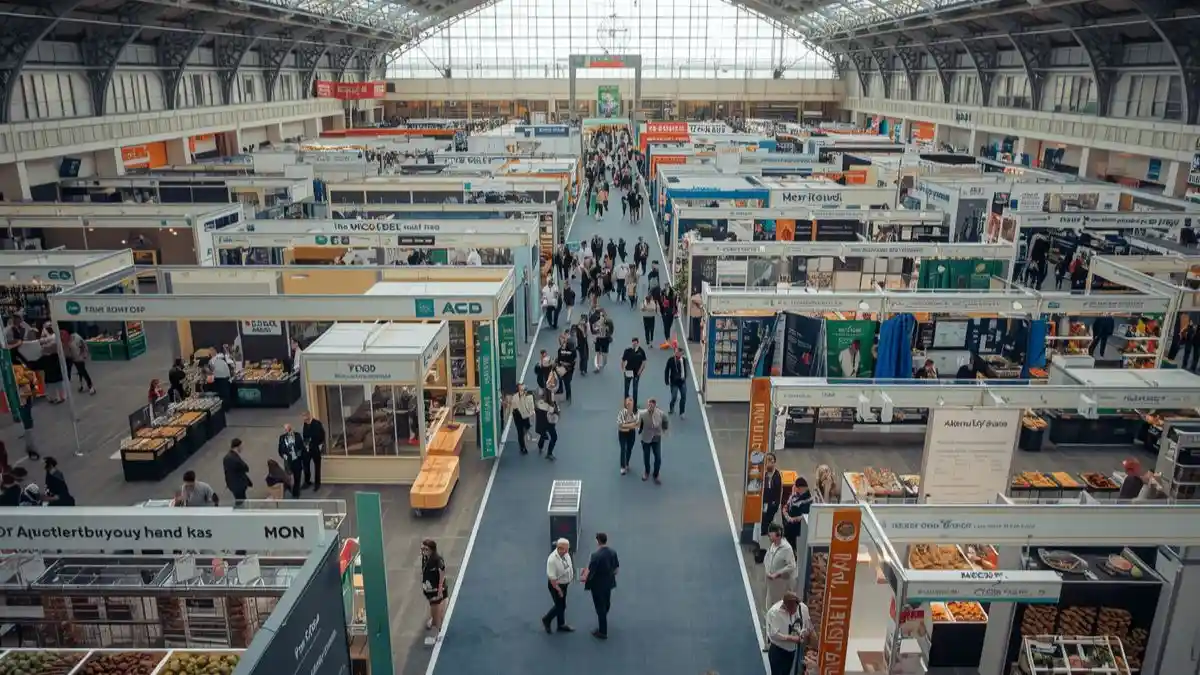

The Top 5 Food Trade Events in Australia in 2026 are Food & Hospitality Week, Restaurant & Foodservice Show, foodpro, Fine Food Australia, and Food & Hospitality Queensland. Together, these events form the core of the Australian food industry trade calendar, covering foodservice, hospitality, food manufacturing, packaging, and retail supply. In 2026, the national trade event schedule runs from May in Sydney to October in Brisbane, with Melbourne hosting two major industry exhibitions later in the year. This ranking is based on structural industry importance and relevance to suppliers, manufacturers, distributors, and retail buyers rather than consumer attendance.
At a Glance
| Rank | Event | Dates | Location | Industry Role |
|---|---|---|---|---|
| 1 | Food & Hospitality Week | 24–26 May 2026 | ICC Sydney | Foodservice, hospitality, technology |
| 2 | Restaurant & Foodservice Show | 24–26 May 2026 | ICC Sydney | Restaurant supply chain |
| 3 | foodpro | 26–29 July 2026 | MCEC Melbourne | Manufacturing, processing, packaging |
| 4 | Fine Food Australia | 31 Aug – 3 Sep 2026 | MCEC Melbourne | Retail, bakery, hospitality |
| 5 | Food & Hospitality Queensland | 12–13 Oct 2026 | BCEC Brisbane | Regional foodservice and equipment |
Below is a detailed analysis of the top food trade events in Australia, one by one.
1. Food & Hospitality Week
Location: ICC Sydney
Industry Focus: Foodservice, hospitality, café, beverage, technology
Core Segments:
- Foodservice suppliers
- Hospitality equipment
- Beverage companies
- Kitchen technology
- Hospitality services
Operational Relevance
Food & Hospitality Week is one of the main national trade platforms for the hospitality and foodservice industry in Australia. The event brings together restaurant operators, café owners, hotel groups, catering companies, and food distributors. For food manufacturers, the foodservice channel represents a major route to market, particularly in categories such as meat, dairy, frozen food, beverages, sauces, and prepared foods.
Because many food producers supply both supermarkets and foodservice operators, the event functions as a commercial meeting point for multiple parts of the food distribution system. Equipment manufacturers, beverage suppliers, and ingredient companies use the event to secure distribution and supply agreements.
Market Position
Food & Hospitality Week acts as a central meeting platform for the hospitality supply chain in Australia. It combines exhibitions, industry competitions, and conferences, making it both a sourcing event and an industry networking platform.
Strategic Direction
The increasing role of automation, digital ordering systems, and labour-saving kitchen equipment has increased the importance of technology suppliers at the event. As hospitality businesses focus on efficiency and cost control, equipment and technology suppliers are becoming more prominent within the exhibition.
2. Restaurant & Foodservice Show
Location: ICC Sydney
Industry Focus: Restaurant supply chain, ingredients, equipment, technology
Core Segments:
- Ingredients suppliers
- Commercial kitchen equipment
- POS and payment systems
- Packaging suppliers
- Beverage and dessert products
Operational Relevance
The Restaurant & Foodservice Show focuses specifically on the restaurant and quick-service restaurant supply chain and operates as part of the broader Food & Hospitality Week platform. The event includes ingredient suppliers, beverage companies, packaging providers, and technology companies offering ordering, payment, and kitchen management systems.
This part of the industry is important because restaurant trends often influence retail product development. Many products launched in foodservice later appear in supermarkets in packaged form, particularly in categories such as sauces, frozen foods, ready meals, and beverages.
Market Position
The show serves as a specialised supply chain exhibition within the broader hospitality industry, focusing more directly on restaurant operations and supplier relationships rather than general hospitality services.
Strategic Direction
The growth of delivery platforms, digital ordering, and automation in restaurant kitchens has increased the role of technology companies at the exhibition, reflecting broader changes in the restaurant industry and food distribution channels.
3. foodpro
Location: Melbourne Convention & Exhibition Centre
Industry Focus: Food processing, packaging, manufacturing technology
Core Segments:
- Food processing machinery
- Packaging equipment
- Automation and robotics
- Food safety technology
- Manufacturing systems
Operational Relevance
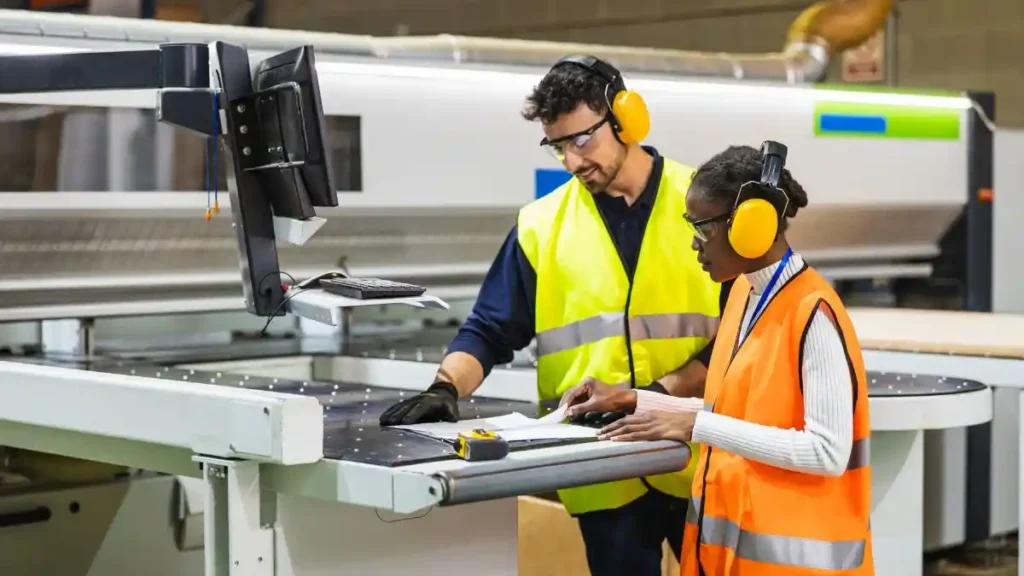
foodpro is the main food manufacturing and processing technology exhibition in Australia. Unlike retail and foodservice exhibitions, this event focuses on the industrial side of the food supply chain, including factories, processing plants, packaging lines, and automation systems.
For companies supplying supermarkets and export markets, manufacturing efficiency, packaging technology, and automation systems directly affect production capacity, product quality, shelf life, and cost structure. Technology presented at foodpro therefore influences how food products are manufactured and packaged for retail sale.
Market Position
Within Australia, foodpro serves as a key platform for food manufacturing technology and packaging innovation. Equipment suppliers and automation companies use the event to present new systems to food manufacturers and processors.
Strategic Direction
Automation, robotics, and sustainable packaging systems are becoming increasingly important as manufacturers respond to labour shortages, cost pressures, and environmental requirements. Manufacturing technology exhibitions are therefore becoming more important within the food industry trade event landscape.
4. Fine Food Australia
Location: Melbourne Convention & Exhibition Centre
Industry Focus: Retail, bakery, hospitality, foodservice
Core Segments:
- Food and beverage suppliers
- Bakery and confectionery
- Hospitality equipment
- Foodservice products
- Packaging and processing solutions
Operational Relevance
Fine Food Australia is one of the largest food industry trade exhibitions in the country and serves as a meeting point between food manufacturers, distributors, supermarket buyers, and foodservice operators. The event covers both retail-ready food products and foodservice supply, making it relevant to multiple parts of the food supply chain.
For supermarket suppliers, the event provides an opportunity to present new products, private label capabilities, and packaged food innovations to retail buyers. For foodservice companies, it functions as a sourcing platform for ingredients, prepared foods, and kitchen equipment.
Market Position
The exhibition acts as a national platform for product launches and supplier introductions across categories such as bakery, dairy, meat, frozen food, beverages, and packaged grocery products.
Strategic Direction
The event increasingly reflects industry trends such as private label growth, convenience foods, international cuisine, and sustainable packaging. As retail and foodservice markets continue to overlap, the event’s cross-channel relevance is increasing.
5. Food & Hospitality Queensland
Location: Brisbane Convention & Exhibition Centre
Industry Focus: Regional foodservice, equipment, suppliers
Core Segments:
- Foodservice suppliers
- Hospitality equipment
- Beverage companies
- Packaging suppliers
- Regional distributors
Operational Relevance
Food & Hospitality Queensland serves as the main regional trade event for the foodservice and hospitality sector in Queensland. While smaller than national exhibitions in Sydney and Melbourne, the event provides access to regional distributors, operators, and hospitality businesses.
Regional trade shows are important for suppliers looking to expand distribution outside major metropolitan markets. For equipment suppliers, beverage companies, and food distributors, regional exhibitions provide access to local operators and regional hospitality groups.
Market Position
The event functions as a regional industry platform rather than a national exhibition, but it plays an important role in connecting suppliers with businesses operating in Queensland and surrounding regions.
Strategic Direction
As population growth and tourism continue to support hospitality demand in Queensland, regional trade events are expected to remain important for supplier expansion and distribution network development.
Structure of the Australian Food Trade Event Industry
Australia’s food trade event industry reflects the structure of the broader food supply chain. Retail and foodservice exhibitions connect product manufacturers with buyers and distributors. Manufacturing and packaging exhibitions focus on production technology and efficiency. Regional trade shows support distribution expansion and supplier access to regional markets.
Trade events act as part of the commercial infrastructure of the food industry. They support product launches, equipment investment, supplier agreements, and export development. For supermarkets and FMCG companies, trade events are used to identify new suppliers, new products, packaging innovations, and manufacturing technologies. For equipment and packaging companies, exhibitions provide access to food manufacturers and processors. For distributors, trade shows provide opportunities to secure supply agreements and expand product ranges.
What Happens Next in the Australian Food Trade Event Industry
The role of trade events is expected to remain important as the food industry continues to change. Automation in food manufacturing, growth in private label products, expansion of export markets, and changes in foodservice operations are all influencing how companies participate in trade exhibitions.
Manufacturing and packaging exhibitions are becoming more important as producers invest in automation and sustainability. Retail and foodservice trade shows continue to function as product launch platforms and sourcing events. Regional exhibitions are expected to remain important as suppliers expand distribution networks across Australia.
Conclusion
The Top 5 Food Trade Events in Australia represent different parts of the food industry, including foodservice, manufacturing, packaging, retail supply, and regional distribution. Together, these events form part of the industry infrastructure that connects food producers, packaging companies, equipment suppliers, distributors, and retail buyers. As the Australian supermarket, FMCG, and foodservice sectors continue to evolve, trade events will remain important platforms for product development, technology adoption, and supply chain partnerships.
Editor’s Note: This article is based on publicly available information about major food industry trade events in Australia and their role within the food supply chain, retail, manufacturing, and foodservice sectors. The analysis focuses on structural industry relevance and industry function rather than visitor numbers alone.