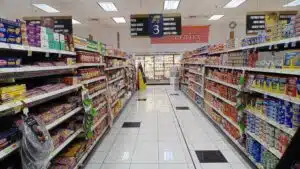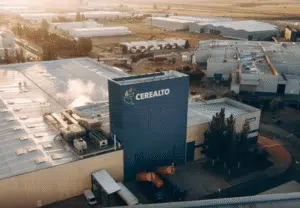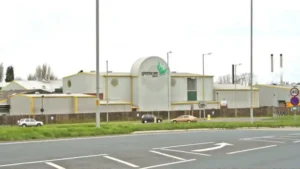

Lithuania has quietly become one of the more strategically important packaging manufacturing bases in the Baltic region.
Larger European economies still dominate overall production volumes. But Lithuanian converters and packaging groups are increasingly supplying customers across Northern and Western Europe, including:
- supermarket chains
- FMCG brands
- beverage producers
- private label manufacturers
That shift is being driven by several pressures at once:
- European retailers are demanding lower-cost packaging supply closer to EU markets.
- Sustainability regulation is tightening under the EU Packaging and Packaging Waste Regulation (PPWR).
- Private label growth is increasing demand for faster, more flexible packaging production.
The result is a packaging sector that now plays a larger role inside the wider Lithuania FMCG and Lithuania supermarket supply chain than many buyers outside the Baltics realise.
At a Glance: Top Lithuania Packaging Companies
| Rank | Company | FY Revenue | Strategic Role |
|---|---|---|---|
| 1 | Grigeo AB | €200M+ | Corrugated and recycled paper packaging |
| 2 | Lietpak | Private company | Flexible barrier films and food packaging |
| 3 | Retal Baltic | Global operations | PET rigid packaging and closures |
| 4 | DS Smith Packaging Lithuania | Part of DS Smith Group | Retail-ready corrugated packaging |
| 5 | IOCO Packaging | Private company | Digital flexible packaging and pouches |
1. Grigeo AB
Key facts
- Founded: 1923
- Headquarters: Vilnius, Lithuania
- Core Operations: Paper, cardboard, corrugated packaging, recycling
- Market Position: One of the Baltic region’s largest paper and packaging groups
What it supplies
Grigeo AB sits at the centre of Lithuania’s fibre-based packaging industry. The company has become increasingly important as European retailers move away from harder-to-recycle mixed-material packaging systems.
Its corrugated packaging operations support food producers, transport packaging suppliers and retail-ready packaging demand across the Baltic region.
Recycling integration also gives the company an advantage as sustainability reporting pressure grows under EU regulation.
Why it matters to supermarket buyers
The group’s circular production structure matters commercially. Supermarkets and FMCG suppliers are under pressure to:
- improve recyclability metrics
- reduce virgin material dependence
- simplify packaging recovery systems
That trend has strengthened demand for corrugated and paper-based solutions throughout the Lithuania supermarket and Lithuania private label packaging market.
2. Lietpak
Key facts
- Founded: 1991
- Headquarters: Vilnius District, Lithuania
- Core Operations: Flexible films, laminated packaging, barrier materials
- Market Position: Major exporter of flexible packaging across Europe
What it supplies
Lietpak has expanded into one of the strongest flexible packaging exporters in the Baltic region.
The company specialises in multilayer and high-barrier films. These are used heavily in:
- food manufacturing
- snacks
- frozen products
- coffee
- dairy
- medical packaging
Why it matters to supermarket buyers
Lietpak benefits from the wider shift toward regional European packaging supply. Many FMCG companies are trying to reduce dependence on long-distance Asian sourcing while keeping packaging costs competitive.
That has created new opportunities for Lithuanian converters with advanced flexographic printing and shorter production turnaround times.
Lietpak also reflects another important market trend. This is the move toward mono-material flexible packaging structures that are easier to recycle under future EU PPWR rules.
3. Retal Baltic
Key facts
- Founded: 1994
- Headquarters: Klaipėda and Trakai, Lithuania
- Core Operations: PET packaging, rigid sheets, beverage closures
- Market Position: Large-scale PET packaging supplier for European food and beverage markets
What it supplies
Retal Baltic is one of the clearest examples of Lithuania’s change into a regional polymer manufacturing hub.
The company works heavily in PET preforms, rigid APET sheets and beverage packaging systems. These are used across European food and drink supply chains.
Why its location matters
Its location near the Klaipėda Free Economic Zone has become strategically important.
Over the last decade, the area has grown into a manufacturing and export platform. It connects Baltic production with Western European retail distribution.
This “Klaipėda clean manufacturing” trend is now attracting more attention from supermarket packaging buyers. They are looking for stable EU-based suppliers with shorter lead times.
Retal’s role also reflects the continued strength of beverage packaging demand across Europe, despite mounting sustainability pressure on plastics.
4. DS Smith Packaging Lithuania
Key facts
- Founded: Part of DS Smith Group established in 1940
- Headquarters: Lithuania operations linked to European network
- Core Operations: Corrugated packaging, shelf-ready packaging, transport packaging
- Market Position: Major multinational supplier to European retail chains
What it supplies
DS Smith gives Lithuania’s packaging sector direct exposure to multinational supermarket supply systems.
The company is heavily involved in packaging used by major grocery chains across Europe, including:
- retail-ready packaging
- transport corrugated systems
- shelf-display packaging
Why it matters to supermarket buyers
Supermarkets increasingly want packaging that reduces labour costs inside stores. Shelf-ready packaging lets products move faster from warehouse to shelf with less handling.
Inside the wider Lithuania retail technology and Lithuania supermarket logistics environment, this type of operational packaging is becoming more commercially valuable.
DS Smith also benefits from the growing push toward fibre-based packaging. Retailers are trying to reduce plastic use across transport and display systems.
5. IOCO Packaging
Key facts
- Founded: Lithuanian private company
- Headquarters: Lithuania
- Core Operations: Flexible pouches, printed packaging, digital packaging solutions
- Market Position: Fast-turnaround packaging supplier for FMCG and private label brands
What it supplies
IOCO Packaging represents a newer generation of packaging suppliers. It focuses on smaller runs, flexible customisation and private label responsiveness.
Why it matters to supermarket buyers
Supermarket private labels continue expanding across Europe. As a result, buyers increasingly need:
- shorter packaging runs
- faster artwork changes
- rapid product launches
That environment favours digital and flexible printing specialists. They can handle operational complexity without the scale limits of traditional mass-volume converters.
The company’s position also reflects a wider trend inside Lithuania FMCG packaging toward agility rather than only high-volume manufacturing.
Why EU packaging regulation matters more in Lithuania now
The EU Packaging and Packaging Waste Regulation is becoming one of the biggest structural pressures facing European packaging manufacturers.
Lithuanian producers are already adapting through:
- mono-material packaging investment
- recyclable flexible films
- lightweight packaging designs
- recycled fibre expansion
- lower-emission production systems
This matters because Western European retailers are placing more compliance responsibility onto suppliers throughout the packaging supply chain.
Companies unable to meet future recyclability or reporting standards may face reduced access to large supermarket contracts over the next several years.
Private label growth is reshaping Baltic packaging demand
Private label expansion across Europe has become a major growth driver for Lithuanian packaging manufacturing.
Retailers continue increasing own-brand ranges as inflation pressure keeps consumers focused on value pricing. That shift creates more demand for:
- flexible packaging
- retail-ready transport systems
- shorter-run product launches
- rapid artwork adaptation
- lower-cost packaging supply
Lithuanian manufacturers are benefiting from this. They can often offer lower operational costs than Western Europe while staying inside EU logistics and regulatory systems.
That balance has strengthened the position of the Lithuania packaging industry across multiple supermarket sourcing categories.
Frequently Asked Questions
Which are the top packaging companies in Lithuania in 2026?
The five companies covered are Grigeo AB, Lietpak, Retal Baltic, DS Smith Packaging Lithuania and IOCO Packaging. Grigeo AB is the largest listed by revenue, at €200M+.
Why are European retailers sourcing packaging from Lithuania?
Lithuanian manufacturers can often offer lower operational costs than Western Europe. They also stay inside EU logistics and regulatory systems, with shorter lead times than long-distance Asian sourcing.
How is the PPWR affecting Lithuanian packaging producers?
Producers are adapting through mono-material packaging, recyclable flexible films, lightweight designs, recycled fibre and lower-emission production. Companies that cannot meet future standards may lose access to large supermarket contracts.
What Happens Next
Lithuania’s packaging sector is likely to become even more important inside European FMCG supply chains over the next few years.
The biggest growth areas will probably include:
- recyclable flexible films
- corrugated retail-ready packaging
- lightweight PET alternatives
- mono-material structures designed for easier recycling compliance
Klaipėda’s role as a Baltic export manufacturing hub is also expected to strengthen. European companies continue shifting parts of packaging procurement closer to regional supply networks.
That shift may also create new opportunities across the wider Lithuania private label sector. This is especially likely as European supermarkets keep expanding value-focused own-brand ranges that need faster packaging turnaround and lower production costs.
At the same time, compliance pressure will intensify.
Retailers and suppliers are already demanding stronger performance throughout regional supply chains on:
- recyclability
- packaging transparency
- emissions reporting
- material traceability
Demand linked to Lithuania fresh produce exports is also expected to support further investment. This covers protective transport packaging, shelf-life solutions and retail-ready distribution systems for European grocery markets.
The companies most likely to strengthen their positions over the next few years will probably be those able to balance manufacturing efficiency, sustainability compliance and fast-moving retail packaging requirements.
Editor’s Note: This article was prepared using company reports, industry manufacturing data, Baltic packaging market analysis. And publicly available operational information from packaging manufacturers active across Lithuania and wider European supply chains.