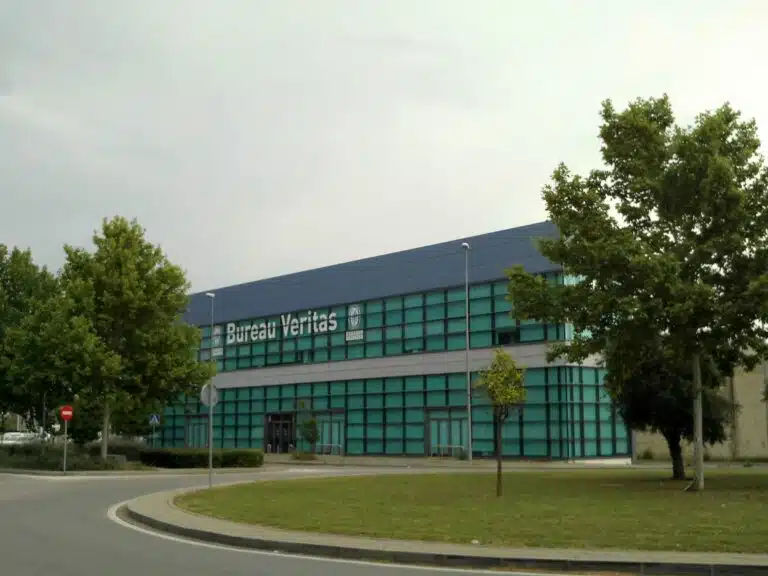

Bureau Veritas reported revenue of €1.57 billion for the third quarter of 2026 on Wednesday, 21 October, an increase of 10.1% from a year earlier as growth improved across its testing, inspection and certification operations.
Organic revenue grew 6.2%, the French group said. Acquisitions and disposals provided a net positive scope effect of 1.8%, while currency movements added 2.1%. Bureau Veritas also confirmed its outlook for the full year.
The results were presented under a new divisional structure introduced on 1 July. Buildings & Infrastructure recorded 7.9% organic growth, followed by Product Testing & Services at 7.0%, Industrials & Commodities at 5.1% and Business Assurance at 3.2%.
For food producers, suppliers and supermarket groups, Bureau Veritas operates in the wider assurance market that supports product testing, food safety and supply-chain compliance. That makes developments in its Business Assurance and Product Testing & Services divisions relevant to buyers assessing inspection and certification capacity, although the company did not separately report food-sector revenue in the headline figures.
For private-label procurement teams, the practical question is whether an assurance provider can cover the required factories, product categories and destination markets. Requirements such as food safety certifications in Latvia and Croatian supermarket certification requirements make the scope of each certificate and the approval expectations of the receiving retailer central to supplier checks.
Group revenue growth does not establish that food audit capacity has increased in a particular country. Buyers appointing or renewing an assurance provider still need to check the relevant accreditation, site coverage, audit availability and responsibility for closing any non-conformities. Those checks matter when factory approval sits on the critical path to a private-label product launch.
The four-division presentation excludes businesses planned for exit, including oil and petrochemicals, coal testing and inspection, and government services. Buyers comparing periods should use that reporting basis and avoid treating the group’s changing portfolio as a direct measure of demand for food assurance.
The next test will be whether organic growth can remain broad across divisions into the final quarter while the group maintains its previously stated 2026 expectations.
Editor’s note: Based on Bureau Veritas’s trading statement dated 21 October 2026. GTN added procurement analysis; group growth figures are not food-sector results.