
Coop Øst cross-border trade delivered one of its strongest years, with almost half of the cooperative’s total profit now coming from Swedish border stores.
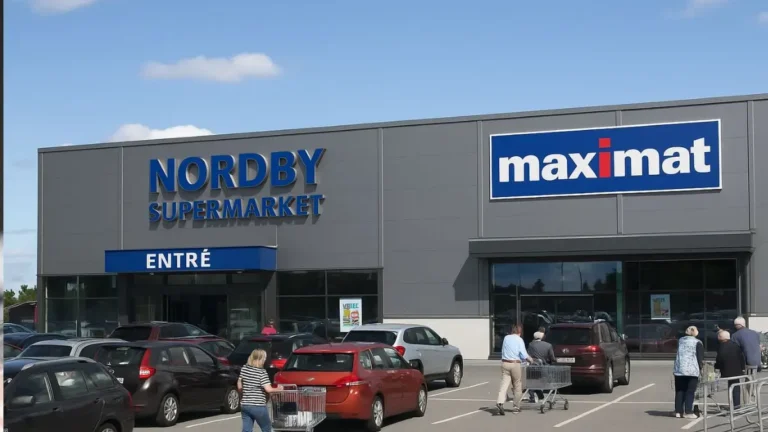
Coop Øst owns 50% of three major shops in Strömstad: Maximat Nordby, Maximat Svinesund, and Nordby Supermarket. These locations are among the busiest grocery destinations for Norwegians looking for lower prices and wider product choice.
The ownership stake generated NOK 96 million in profit in 2024.
By comparison, Coop Øst earned NOK 115 million from all of its Norwegian stores.
This means the Swedish border stores are now almost as profitable as the retailer’s entire domestic network.
The three shops have a combined turnover of around NOK 2.5 billion a year. Traffic continues to grow as cross-border shopping increased by 11% in the first nine months of this year, according to Statistics Norway.
Norgesgruppen is also active in Swedish border retail, owning 49% of Eurocash stores.
Thon Eiendom owns 50% of the Nordby shopping centre, where two Coop Øst stores are located.
This structure means much of the money spent in Sweden still flows back into Norwegian companies.
The market is expected to shift even more when Sweden cuts its food VAT from 12% to 6% between 2026 and 2028.
This change will widen the price gap between the two countries and could increase the flow of Norwegian shoppers heading south.
Inside Norway, industry groups warn that the growing gap threatens domestic jobs and value creation.
Political parties have argued over whether Norway should lower its own food VAT to slow the outflow of spending, but no major decisions have been made.
Coop Øst says it has prepared for this situation for years, and its financial results show how central cross-border shopping has become to the business.
Why It Matters
Coop Øst cross-border trade highlights how Swedish border stores now shape the financial strength of major Norwegian retailers.
Border shops are no longer a side business — they are a core revenue engine.
The Swedish VAT reduction will deepen the price difference and may shift even more grocery spending out of Norway.
This puts pressure on Norwegian producers, domestic supply chains, and store operators who struggle to compete with lower Swedish costs.
It also shows how ownership across the border is shaping the future of Nordic grocery retail.
Norwegian shoppers save money, Swedish stores gain volume, and Norwegian chains collect profit from both sides of the border.
Editor’s Note
This article uses verified information from NRK, Statistics Norway, Coop Øst’s 2024 results, and Swedish VAT policy announcements.