
Europe coffee packaging is coming under closer attention as new consumer research highlights how differently shoppers across the region prepare and consume coffee.
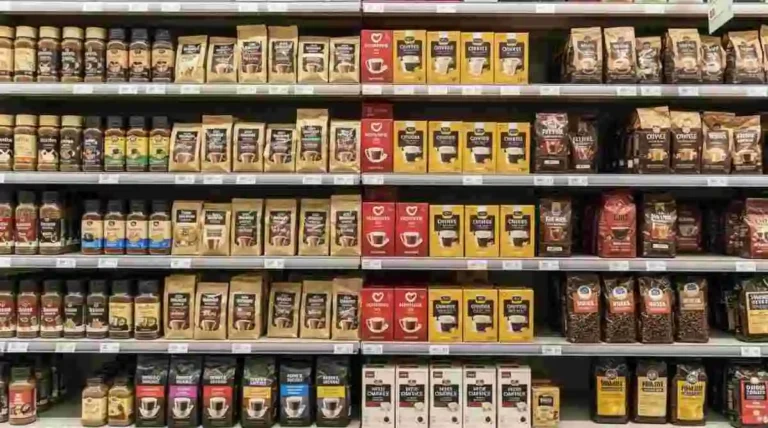
New findings from Flexible Packaging Europe show that preparation methods vary sharply by country, creating very different demands for packaging formats across supermarket coffee ranges — from instant sachets in the UK to whole-bean formats in Germany and Poland, and espresso-focused packs in Italy.
For retailers and suppliers, the data reinforces why coffee packaging strategies must remain flexible rather than standardised.
Coffee remains one of Europe’s most frequently purchased grocery items, but the way it is consumed at home differs widely. In Italy, espresso pots remain the most common method, while UK shoppers still favour instant coffee. German and Polish consumers, meanwhile, increasingly rely on fully automatic machines that use whole beans.
These differences place pressure on packaging performance. Aroma protection, portion control, ease of storage and compatibility with different machines all influence pack choice, making packaging a strategic decision rather than a technical afterthought.
Flexible packaging formats — including pouches, stick packs and capsule-ready solutions — are increasingly seen as a way to serve multiple preparation styles without over-complicating supermarket assortments. This is particularly relevant for private-label coffee ranges, where packaging plays a key role in perceived quality and shelf differentiation, reflecting wider private label trends in Europe.
The research also highlights a gap between consumer behaviour and industry preferences. While instant coffee and capsule systems remain popular with shoppers, industry professionals surveyed at the European FlexPack Summit showed a strong preference for bean-based, fully automatic machines. For retailers, this underlines the importance of following real shopper behaviour rather than supplier assumptions.
Sustainability expectations further shape the debate. Coffee packaging is facing growing scrutiny as supermarkets tighten sustainability requirements across own-label and branded ranges, aligning with broader supermarket sustainability strategies now shaping supplier and packaging decisions.
The study suggests that flexible packaging suppliers able to balance functionality, material efficiency and recyclability will be better positioned as supermarkets continue to refine coffee assortments across value, mainstream and premium tiers.
The survey was conducted among around 6,000 consumers across Germany, France, Italy, Spain, Poland and the UK, representing more than 60% of the European population. The findings were supported by qualitative input from industry experts attending the European FlexPack Summit in early 2025.
For supermarkets, the takeaway is clear: Europe coffee packaging must remain adaptable, localised and increasingly sustainable as consumption habits continue to diverge across markets.
Editor’s note:
Based on consumer research published by Flexible Packaging Europe and conducted by Censuswide across six major European markets.