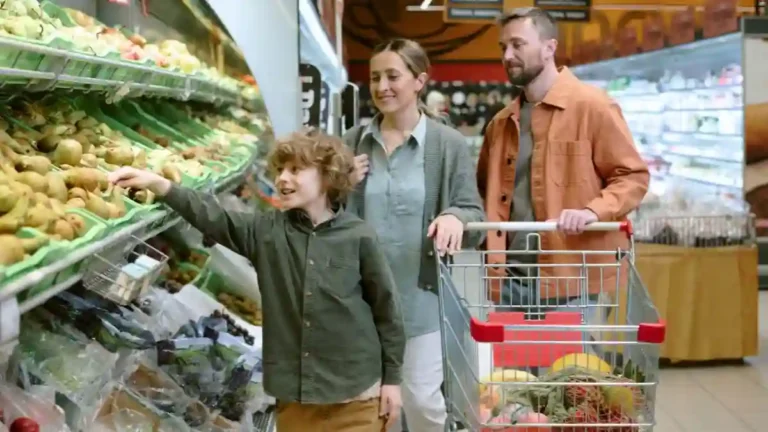

US fresh produce is becoming a structural growth driver in grocery retail, not just a seasonal wellness trend.
New consumer data points to rising demand for fruits and vegetables as shoppers reset eating habits for the year ahead. But for supermarket buyers and wholesalers, the more important signal sits behind the headline numbers: produce is increasingly anchoring store traffic, basket value, and repeat visits at a time when many other categories remain under pressure.
Key points
Produce demand rises as wellness shifts from diets to habits
January drives higher store visits and fresh spend
Buyers see produce anchoring traffic, not just margin
Cost, time, and preparation remain structural barriers
Recent US shopper research shows that a majority of consumers plan to increase fruit and vegetable consumption in 2026, with balanced eating replacing short-term diet trends. This shift matters less for its language and more for its behaviour. Shoppers are not buying “health products” — they are buying more fresh food, more often.
One of the clearest signals appears in January shopping patterns. While most consumers claim their routines do not change after the holidays, transaction data shows weekly grocery visits rising well above the annual average. Fresh food spending consistently outperforms other categories during this period, confirming produce’s role as a traffic-led department rather than a discretionary one.
For buyers, this reinforces a familiar reality: produce pulls the shop. When shoppers enter stores more frequently for fruits and vegetables, they also rebuild full baskets around them. This makes produce central not only to health positioning, but to overall store economics.
The perception of produce has also shifted. Fruits and vegetables are no longer viewed only as basic nutrition, but as functional staples linked to digestion, immunity, and long-term wellbeing. Unlike supplements or fortified packaged goods, produce carries this positioning without heavy explanation or branding, which strengthens shopper trust and repeat purchase behaviour.
However, sustained growth is not guaranteed. Cost remains the biggest friction point, particularly for households trying to balance wellness goals with budget pressure. Time constraints and preparation effort continue to limit frequency, especially for mid-week meals. Taste perception still matters, even among health-motivated shoppers.
This is where retail execution becomes decisive. Buyers who align range depth, value messaging, and simple meal solutions around us fresh produce are better positioned to hold demand beyond the January reset. The opportunity is less about launching new concepts and more about removing friction from everyday purchasing.
Looking into 2026, produce is no longer just a department responding to wellness trends. It is becoming one of the clearest indicators of how shoppers define value, health, and routine in grocery retail. For supermarkets and wholesalers, that makes produce strategy a core commercial decision, not a seasonal one.
Editor’s note: This article is based on US consumer and grocery trade insights published in late 2025, including shopper research from Kroger’s 84.51° Consumer Digest, industry retail studies, and broader supermarket buying and behaviour analysis.