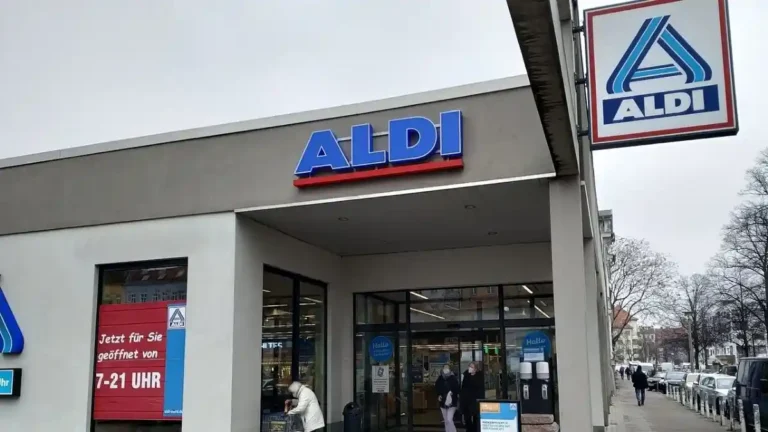

Egg supply across the Germany supermarket sector is under pressure, with shortages and higher prices now visible in stores, including at ALDI Nord locations.
ALDI Nord said the situation is being driven mainly by avian influenza, which has caused significant losses in laying hen farms across Europe in recent months. In several cases, flocks have been reduced or fully culled, sharply cutting egg production.
The retailer said it is not yet clear when supply levels will return to normal.
At the same time, demand for eggs has increased strongly over the past two years. ALDI Nord pointed to rising consumer interest in protein-rich foods, alongside higher usage in food processing. Seasonal demand during the Christmas period added further pressure.
Germany’s reliance on imports has made the situation more difficult. A large share of eggs sold in the country comes from the Netherlands, where production is also constrained. Regulatory requirements in both Germany and the Netherlands limit how quickly producers can expand capacity, restricting short-term supply across the European market.
ALDI Nord said it is closely monitoring market developments and remains in regular contact with suppliers to protect availability where possible. The company said it is prioritising efficient distribution of the volumes available in order to maintain supply across regions.
However, the retailer confirmed that price increases are currently unavoidable due to the reduced availability of eggs on both the German and wider European markets.
The situation underlines how exposed the German egg market is to animal health issues, cross-border supply chains, and regulatory limits on rapid production expansion.
What Happens Next
Supply is likely to remain constrained in the coming months. Egg availability will only improve once affected farms are able to restock laying hens, a process that typically takes several months from restocking to full egg production.
At the same time, ongoing biosecurity controls linked to avian influenza continue to limit how quickly production can resume across Europe. Import volumes from key suppliers such as the Netherlands are also expected to stay tight in the short term, as producers there face similar regulatory and disease-related constraints.
Until production stabilises and cross-border supply improves, German supermarkets are expected to manage limited availability and elevated prices, particularly during peak demand periods.
Editor’s Note:
This article is based on information provided by ALDI Nord and reflects current conditions in the German and European egg markets.