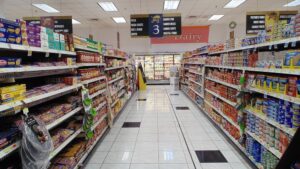

15 January 2026 — Woolworths Group has joined a multi-year trial in Australia to help reduce methane emissions in grass-fed beef production.
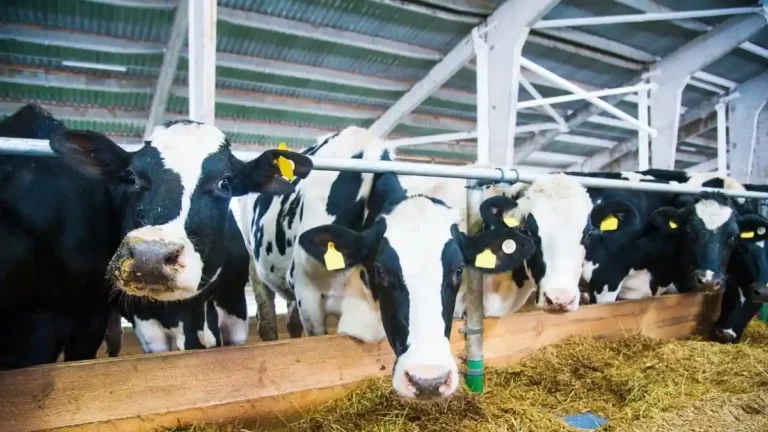
The trial brings together Woolworths, Sea Forest, DIT AgTech and Teys Australia. It will run at a cattle farm in New South Wales and test Sea Forest’s SeaFeed™ supplement under real commercial conditions.
Two delivery methods will be used. One will be mixed into water using DIT AgTech’s uDOSE™ system. The other will be a dry-lick format. Both will be monitored during the trial.
The partners will measure how much methane is reduced and whether the supplement can also improve animal performance. This includes weight gain and feed efficiency in grass-fed cattle.
SeaFeed™ is made from the seaweed Asparagopsis. Previous studies have shown it can cut methane emissions from cattle by up to 80%. The new trial will focus on long-term use in grass-fed systems.
Teys Australia is the processing partner and will support supply-chain testing and future commercial use. Sea Forest will supply the supplement, while DIT AgTech will manage the dosing technology.
The project shows how an Australia supermarket group is working further up the beef supply chain, linking sustainability targets with on-farm practices rather than only store operations.
The partners said they plan to share key findings with the wider beef industry as the trial continues.
Why This Matters
Supermarkets play a growing role in how food is produced, not just how it is sold. When a major Australia supermarket group like Woolworths Group invests in trials at farm level, it can influence future supply standards.
Beef has one of the highest emissions profiles in the food system. Testing methane-reducing solutions in grass-fed cattle could shape how supermarkets set sourcing rules for suppliers in the years ahead.
If the trial proves effective at scale, it may affect how beef is priced, verified, and supplied to Australian supermarkets, especially as emissions reporting and sustainability targets become more important across the retail sector.
Editor’s Note: This article covers a confirmed supply-chain trial involving a major supermarket group. Outcomes and commercial impact will depend on independently verified trial results.