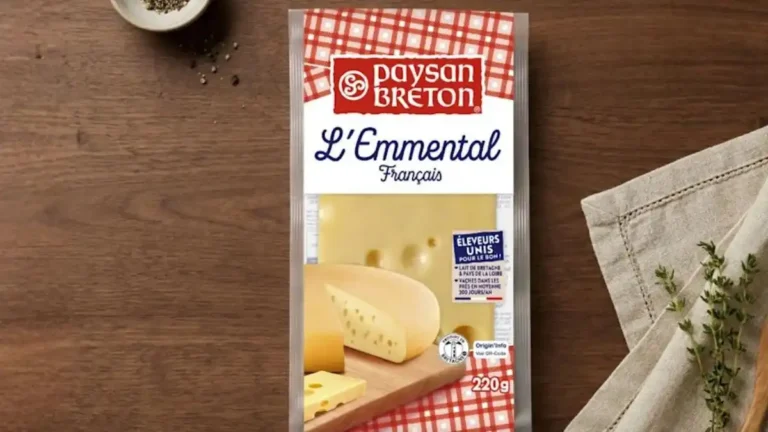

Amcor and Laïta have launched a new recyclable packaging format for hard cheese in France, following a March 2026 consumer study showing strong demand for convenience and sustainability. The solution, now rolled out across nearly 2,000 retail locations, replaces a non-recyclable multi-material pack with a polypropylene-based film designed for recycling while maintaining shelf-life and performance.
What is recyclable cheese packaging?
Recyclable cheese packaging refers to packaging materials designed to protect dairy products while being compatible with existing recycling systems. In this case, the new format uses polypropylene (PP) flexible film, allowing it to enter established recycling streams instead of being discarded as mixed plastic waste.
At a glance
- Study conducted in March 2026 with 500+ French consumers
- 70% say easy reclose is important for hard cheese packaging
- 67% influenced by sustainability features when purchasing
- New packaging uses AmPrima® PP film in Easy Pack format
- 63% reduction in carbon footprint vs previous pack
- 6% reduction in plastic weight
- Rolled out across nearly 2,000 stores in France
Why does convenience matter most in cheese packaging?
The study found convenience is the top driver of in-store purchasing decisions for hard cheese. Features such as easy reclosure directly impact usability and product freshness. For retailers, this signals that packaging functionality can influence repeat purchases as much as branding or shelf presentation.
How does the new packaging improve sustainability?
The new pack replaces a three-layer non-recyclable plastic structure with a mono-material PP film. This shift enables recyclability within existing systems and reduces environmental impact. The format also lowers carbon emissions and plastic usage, aligning with growing regulatory and retailer pressure across Europe.
What role does recyclability play in purchasing decisions?
Recyclability ranked as the most important sustainability factor for 67% of consumers. Buyers are increasingly prioritising packaging that can be processed after use. This reflects broader EU trends where recyclability, reduced material use, and lower carbon footprint are becoming baseline expectations in food packaging.
How does the solution fit into existing production systems?
The packaging is compatible with Laïta’s current production lines, avoiding the need for major operational changes. It maintains sealing integrity, shelf-life performance, and line efficiency. This is critical for large-scale rollout, as suppliers and retailers seek sustainability improvements without disrupting supply chains.
Why is this important for supermarkets and suppliers?
For retailers, the shift highlights how packaging design is becoming a competitive factor at shelf level. Easy-open and reclosable formats can improve consumer experience, while recyclable materials support sustainability targets. For suppliers, scalable solutions that meet both demands are becoming essential.
What is the wider industry context?
Across Europe, packaging is under increasing scrutiny due to environmental regulation and consumer expectations. Mono-material flexible packaging is gaining traction as brands look to simplify recycling. Dairy remains a key category where balancing freshness, convenience, and sustainability is especially complex.
What happens next?
The rollout across French retail stores suggests further expansion is likely if performance remains consistent. Similar recyclable, reclosable formats may extend into other dairy and fresh food categories. For the industry, the direction is clear: packaging must deliver convenience, meet recycling requirements, and reduce environmental impact at scale — particularly across the evolving landscape of France packaging standards and retail expectations.