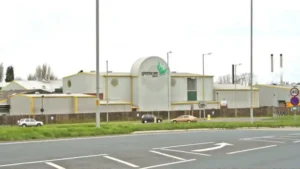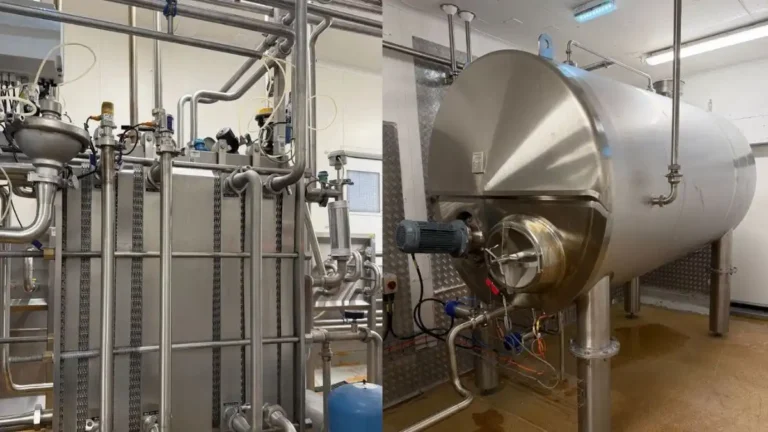

Waitrose has expanded milk storage and processing facilities at its Leckford Estate in Hampshire, England, after reporting strong growth in demand for unhomogenised organic milk. The retailer said production of Waitrose Duchy Organic Unhomogenised Milk has increased by 74% since 2023, while new milk tanks have helped raise total production capacity by 95% compared with 2023 levels. The investment comes as sales and online searches for unhomogenised milk continue to rise across the retailer’s customer base and the wider UK FMCG market.
What is unhomogenised milk?
Unhomogenised milk is milk that has not undergone the homogenisation process, which breaks down fat particles and distributes them evenly throughout the liquid. As a result, the cream naturally rises to the top of the bottle. The milk is still pasteurised for food safety but retains a more traditional texture and appearance.
At a glance
- Waitrose reports a 74% increase in unhomogenised milk production since 2023
- New milk tanks have increased production capacity by 95% compared with 2023
- Sales of Waitrose Duchy Organic Unhomogenised Milk rose 29% year-on-year
- Sales of Waitrose No.1 Organic Unhomogenised Ayrshire Whole Milk increased 34%
- Searches for “unhomogenised milk” on Waitrose.com rose 200%
- Searches for “unhomogenised” increased 367%
- The investment was made at the retailer’s Leckford Estate in Hampshire
Why is Waitrose expanding its milk facilities?
Waitrose has expanded processing and storage infrastructure at its Leckford Estate to keep pace with growing customer demand. The retailer said production volumes have risen significantly over the past three years, requiring additional capacity to support future growth in the category.
The investment includes new milk processing equipment and storage tanks designed to improve operational capacity and support increasing sales of organic unhomogenised milk products.
How much has demand grown?
Demand has increased across both sales and customer search activity.
Sales of Waitrose Duchy Organic British Free Range Unhomogenised Whole Milk increased by 29% over the past year, while sales of Waitrose No.1 Organic Unhomogenised Ayrshire Whole Milk rose by 34%.
At the same time, searches for “unhomogenised milk” on Waitrose.com climbed 200%, while searches for the term “unhomogenised” increased by 367%, indicating growing consumer awareness and interest.
What is driving interest in unhomogenised milk?
Consumer interest in products perceived as less processed appears to be supporting category growth.
Unhomogenised milk remains a niche segment within dairy, but demand has increased as shoppers seek products closer to their natural state. Organic credentials, free-range sourcing, and interest in traditional food production methods are also contributing factors.
What does this mean for the dairy sector?
The investment highlights how retailers are responding to changing consumer preferences within the dairy category.
While conventional milk remains the dominant segment, premium dairy products continue to attract shoppers willing to pay for differentiation through production methods, sourcing standards, and product quality. This creates opportunities for dairy processors, farmers, and retailers operating in value-added milk categories.
How does Leckford Estate support Waitrose’s supply chain?
The Leckford Estate serves as Waitrose’s own farm and agricultural operation, supporting product development and sustainable farming initiatives.
The estate plays a strategic role in supplying and testing products across several categories, allowing the retailer to maintain closer control over sourcing, production, and quality standards.
What happens next?
The expanded capacity at Leckford Estate positions Waitrose to support further growth in unhomogenised milk demand across its store network and online channels.
As consumer interest in organic, minimally processed, and premium dairy products continues to develop, investment in specialised milk production could become an increasingly important part of retailer strategies within the UK dairy market and broader UK FMCG market.
Editor’s Note: This article is based on information provided by Waitrose in a company announcement published on 15 June 2026. Additional context has been added for industry and market background.