
Kamisato Town in Saitama Prefecture and AEON Co., Ltd. signed a Comprehensive Regional Partnership Agreement on 16 February 2026 to strengthen cooperation in digital transformation, local product promotion, disaster response, environmental initiatives and community services. The agreement formalises and expands existing collaboration centered around AEON Town Kamisato.
The partnership aims to improve local services, revitalise the regional economy and deepen integration between municipal functions and retail infrastructure.
What is a Comprehensive Regional Partnership Agreement?
A Comprehensive Regional Partnership Agreement is a formal cooperation framework between a municipality and a private company. It defines joint initiatives across economic development, digital systems, sustainability, disaster preparedness and community welfare.
In Japan, such agreements increasingly position major retailers as infrastructure partners supporting local administration and public services.
At a Glance
-
Agreement signed: 16 February 2026
-
Parties: Kamisato Town (Saitama Prefecture) and AEON Co., Ltd.
-
Focus areas: DX, data utilisation, electronic payments
-
Includes: Local sourcing and sales channel expansion
-
Covers: Disaster cooperation and temporary evacuation support
-
Supports: Circular economy, recycling and environmental protection
-
Expands existing collaboration at AEON Town Kamisato
What Areas Does the Agreement Cover?
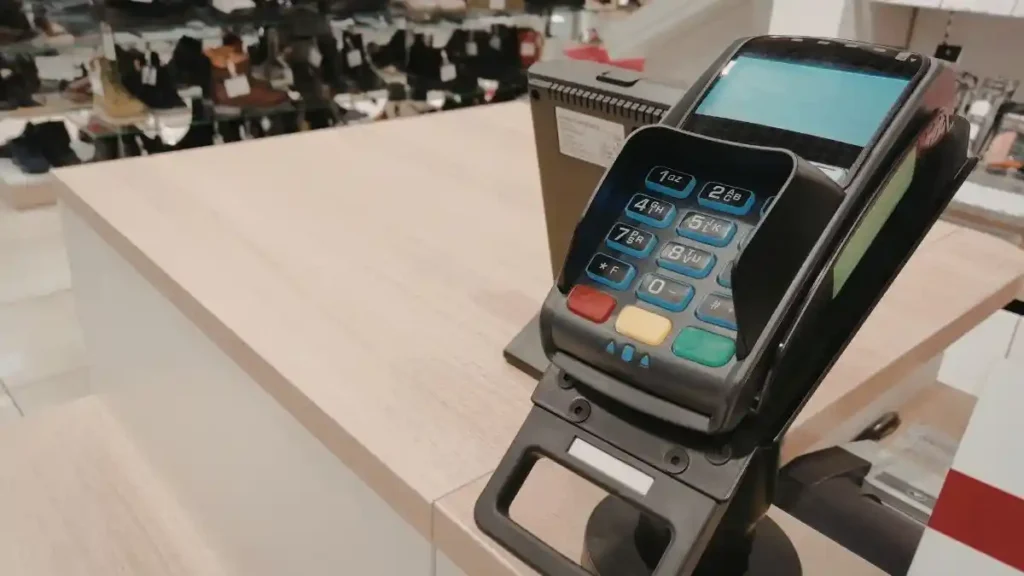
The partnership includes cooperation in digital transformation (DX), data utilisation and electronic payment systems to improve administrative and consumer services.
It also promotes local production for local consumption, aiming to expand sales channels for regional products through AEON’s retail network.
Additional areas include environmental protection, recycling and circular economy initiatives, along with health and wellness support for residents.
How Does Disaster and Safety Cooperation Fit In?
The agreement strengthens coordination on disaster preparedness and emergency response.
AEON has previously supported Kamisato through agreements allowing temporary use of shopping centre facilities during disasters, including parking areas and certain amenities. The new framework reinforces that cooperation and broadens its scope.
Retail infrastructure in Japan often plays a dual role as commercial space and emergency logistics hub, especially in earthquake-prone regions.
Why Is Digital Transformation Central to This Deal?
Digital transformation is a key pillar of the agreement.
By leveraging data and electronic payment systems, the partnership aims to address local administrative challenges and enhance service efficiency. Retailers such as AEON increasingly operate advanced digital platforms that can integrate with municipal systems.
This reflects a broader Japanese retail trend where supermarkets expand beyond traditional commerce into fintech, data services and smart-city collaboration.
How Does This Fit Within AEON’s Wider Strategy?
AEON has developed multiple regional agreements across Japan to deepen ties with local governments.
Such partnerships allow retailers to integrate supply chains, community services and sustainability initiatives at a local level. They also strengthen brand presence and store relevance beyond standard retail operations.
For municipalities, collaboration with large retail groups provides infrastructure access, digital capabilities and distribution networks that would otherwise require significant public investment.
What Happens Next?
Following the signing, Kamisato Town and AEON are expected to roll out joint projects across digital systems, environmental initiatives and expanded local sourcing programs. Implementation will likely begin with coordination at AEON Town Kamisato, where previous cooperation has already been established.
The agreement reflects a broader shift across the Japan supermarket sector, where large retail groups such as AEON Co., Ltd. are embedding themselves more deeply into municipal systems. As digital payments, data integration and circular economy compliance become structural priorities, similar retailer–government frameworks are expected to expand across regional Japan.