
Australia FMCG market is moving through a hard period. Prices are still high, shoppers are watching every dollar, and supermarkets are under pressure from government, media and shoppers at the same time.
In this environment, buyers and suppliers want a clear picture of where demand is growing and where it is slowing.
That’s the aim here — a simple, supermarket-focused view of FMCG Australia 2025 trends, written in plain language.
Macro View: FMCG in Australia Under Cost-Of-Living Pressure
Households are still dealing with tight budgets. Many shoppers have moved to cheaper brands for everyday items, while keeping only a few premium treats. This “value first” mindset shapes almost every category in the stores.
Supermarkets are also being asked to show more transparency on pricing and margins. Reviews and reports have made it clear that buyers want stable prices and fair competition. That adds more pressure on suppliers who now have to justify any price rise with solid reasoning.
Most retailers expect demand to stay cautious through 2025. People are still buying, but they buy differently — smaller baskets, more private label, more promotions, and more careful planning around big family shops.
The Big FMCG Categories In Australian Supermarkets
Shoppers are not cutting everything. Some categories are still moving. Others are flat. A few are struggling.
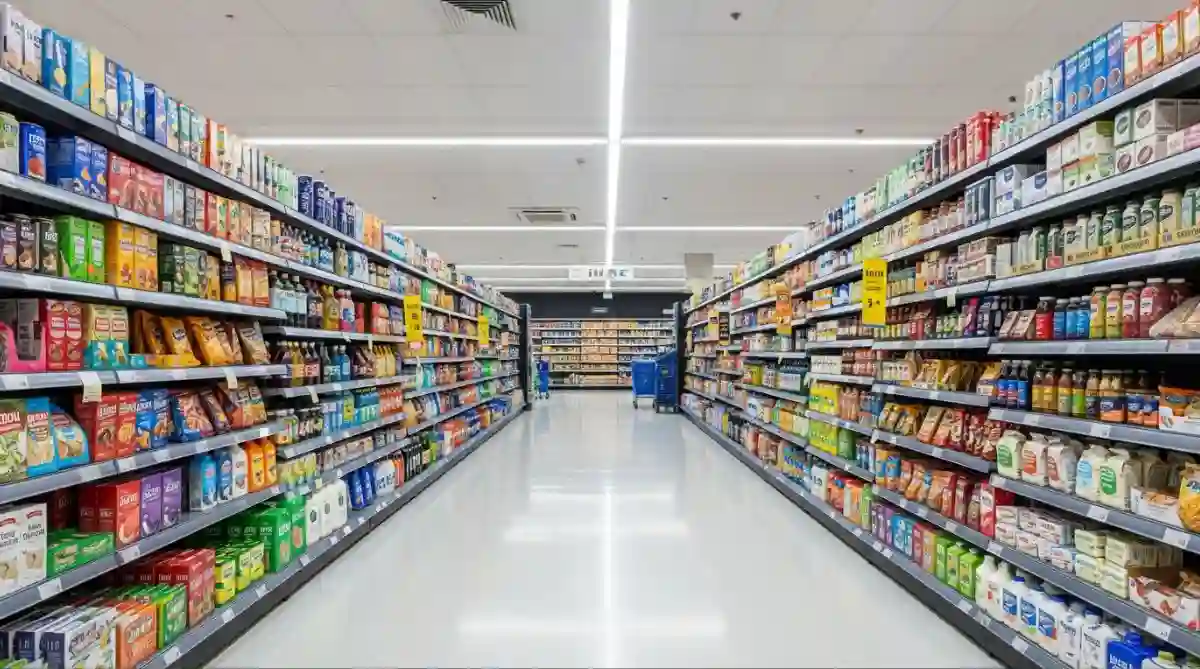
Here is a simple view of the main areas shaping Australia grocery categories 2025.
Packaged Food
Packaged food is still the biggest engine of supermarket sales.
Basics such as pasta, rice, canned items and meal kits remain strong because shoppers see them as reliable, affordable and easy to store.
Snacking continues to grow too, especially better-for-you options. High-protein and low-sugar snacks are getting more shelf space because they match the wellness trend without costing too much.
But premium biscuits, imported pantry lines and gourmet snacks are softer. Families hold back on these unless they’re on special.
Retail buyers say that “clear value” is what works here — either low everyday pricing or good multi-buy deals.
Beverages
The beverage aisle is split in two.
On one side, soft drinks and big-brand juices are soft due to price sensitivity. Shoppers switch to private label drinks or smaller bottles to save money.
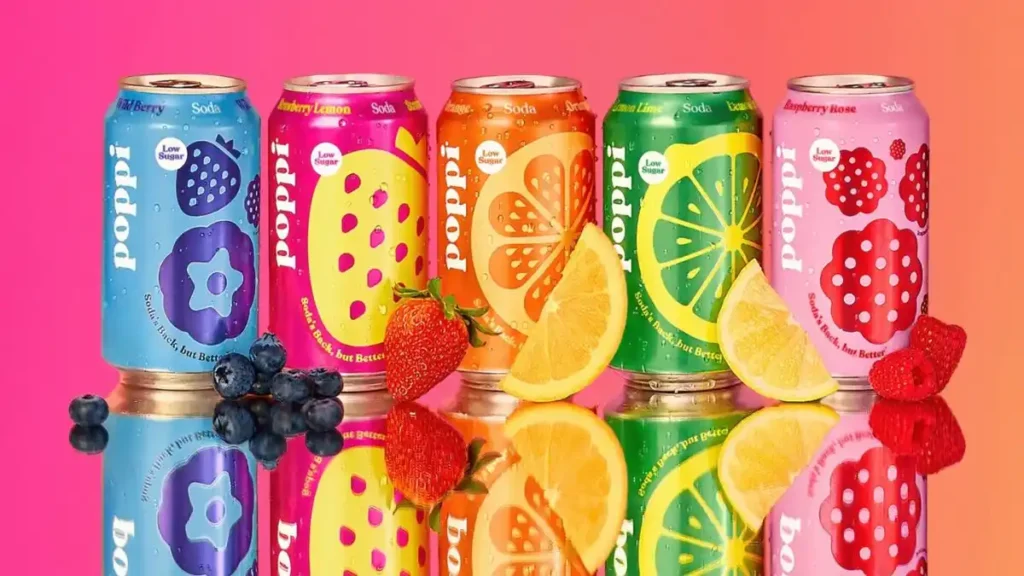
On the other side, energy drinks, flavoured waters and no-sugar options continue to rise.
This is one of the few categories where younger shoppers still spend freely, especially when products offer functional benefits like hydration, vitamins or zero sugar.
Alcohol sales through supermarkets’ connected channels show mixed results. Beer and wine are flat, but ready-to-drink mixes continue to take share thanks to convenience and flavour variety.
Chilled & Dairy
Dairy has been through heavy cost pressure. Milk, cheese and yoghurt rose in price, making shoppers more selective.
Private label dairy is now a major force, pulling share from national brands across standard milk, butter and cheese.
Yoghurt is one area with both premium and budget trends happening at once. High-protein Greek yoghurt keeps growing, while dessert-style yoghurts slow down.
Chilled meals and ready-to-eat foods remain steady but not booming. They win on convenience, but many shoppers now cook more at home to manage costs.
Household & Cleaning
Cleaning products show stable but not exciting growth. People buy what they need, nothing extra.
Eco-cleaning ranges grow slowly but steadily, mostly when price gaps are small. Shoppers like low-chemical and refillable products, but only when they feel affordable.
Brands with strong claims — “plant-based”, “non-toxic”, “sensitive skin” — get attention, but private label is still the main winner in this aisle.
Laundry is the standout within this category. Concentrated liquids and capsules are trending because they promise more washes per pack, which shoppers see as better value.
Health & Beauty
This category feels different from the others.
Shoppers are still spending here, especially on wellness-driven lines like vitamins, skincare, hair treatments and sun care.
Cosmetics remain under pressure as people cut non-essential buys, but premium skincare is surprisingly stable. Many shoppers treat skincare as a necessity now, not a luxury.
Fragrances, premium makeup and high-end haircare move slower unless they are part of a promotion or seasonal campaign.
Retail buyers say the fastest-moving subcategories are:
- Serums
- SPF daily skincare
- Hair repair treatments
- Immunity vitamins
These reflect a bigger shift toward personal wellbeing in Australian shoppers 2025.
Category Snapshot: Direction for 2024–25
Below is the simple table you requested.
We keep it plain, clear and buyer-friendly.
Key FMCG categories and trend direction (2024/25 snapshot)
| Category | Trend |
|---|---|
| Packaged food | Growing (value staples, better-for-you snacks) |
| Beverages | Mixed (flat soft drinks, rising energy & functional drinks) |
| Chilled & dairy | Mixed to soft (private label strong, premiums slowing) |
| Household & cleaning | Flat to mild growth (value-led shopping) |
| Health & beauty | Growing (wellness and skincare strong) |
Private Label vs Brands In FMCG
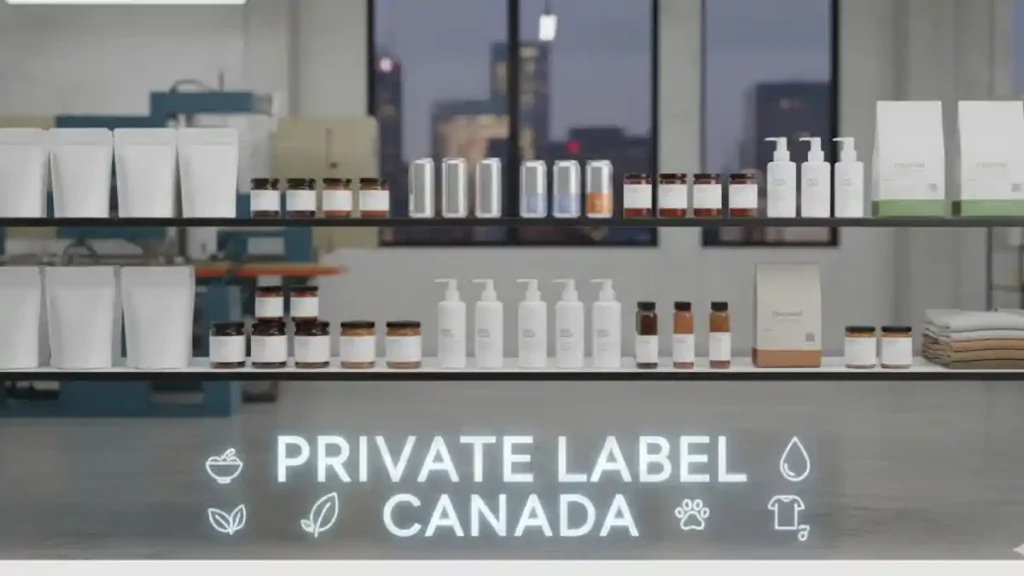
Private label is the biggest shift in the whole FMCG market.
Circana data shows private label now makes up around 36% of total FMCG/CPG sales — roughly $46 billion worth.
Growth is faster than national brands in most major categories.
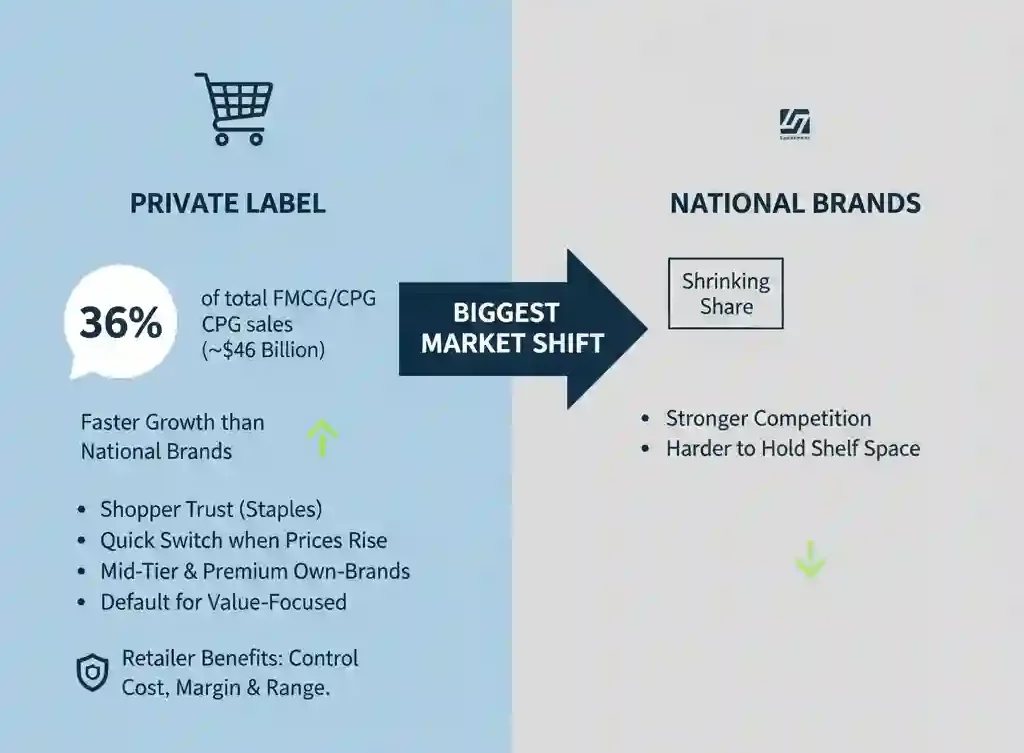
Shoppers trust supermarkets more than before, especially for staples. When prices rise, they switch quickly to private label.
Retailers also expand their mid-tier and premium own-brand lines, giving shoppers more choice at different price points.
This creates stronger competition. For suppliers, holding shelf space is now harder. For buyers, own-brand gives more control over cost, margin and range planning.
A recent Cockatoo report said the same thing in simple terms: private label is now “the default option for value-focused households”.
Sustainability & Packaging as a Growth Filter
Sustainability is no longer a nice addition. It is now a requirement.
From 2025, APCO’s targets mean FMCG suppliers must show real progress on recyclability, packaging reduction and clearer labelling.
Brands that fail to meet these rules risk losing listings or facing tighter reviews during range resets.
Supermarkets look closely at:
- Recyclable components
- Simpler packaging formats
- Removal of hard-to-recycle plastics
- Use of recycled content
- Clear on-pack information shoppers can trust
For many suppliers, this becomes a make-or-break factor in winning or keeping shelf space.
Shopper Behaviour Shifts
Australian shoppers in 2025 are careful but not negative. They still want good products, but they choose them differently.
The biggest shift is trading down. Many households move from big-name brands to private label or smaller packs. They also wait for promotions before buying non-essential items.
But there is another trend happening beside it — selective premium.
Shoppers will spend more on things that feel important:
better yoghurt, high-quality breakfast staples, skincare, vitamins, special snacks, and healthier drinks.
This mix of budget discipline and small upgrades shows a simple truth: shoppers want value, not just low prices.
If a product feels worth the money, it still sells.
Online grocery also plays a role. More people build baskets slowly throughout the week, adding items as they remember them. This usually increases spend on staples and repeat buys, and it pushes supermarkets to improve digital visibility for key categories.
Delivery fees still matter. Many shoppers switch platforms or choose click-and-collect to save the extra cost.
What Retail Buyers and Suppliers Should Focus on in 2025–26
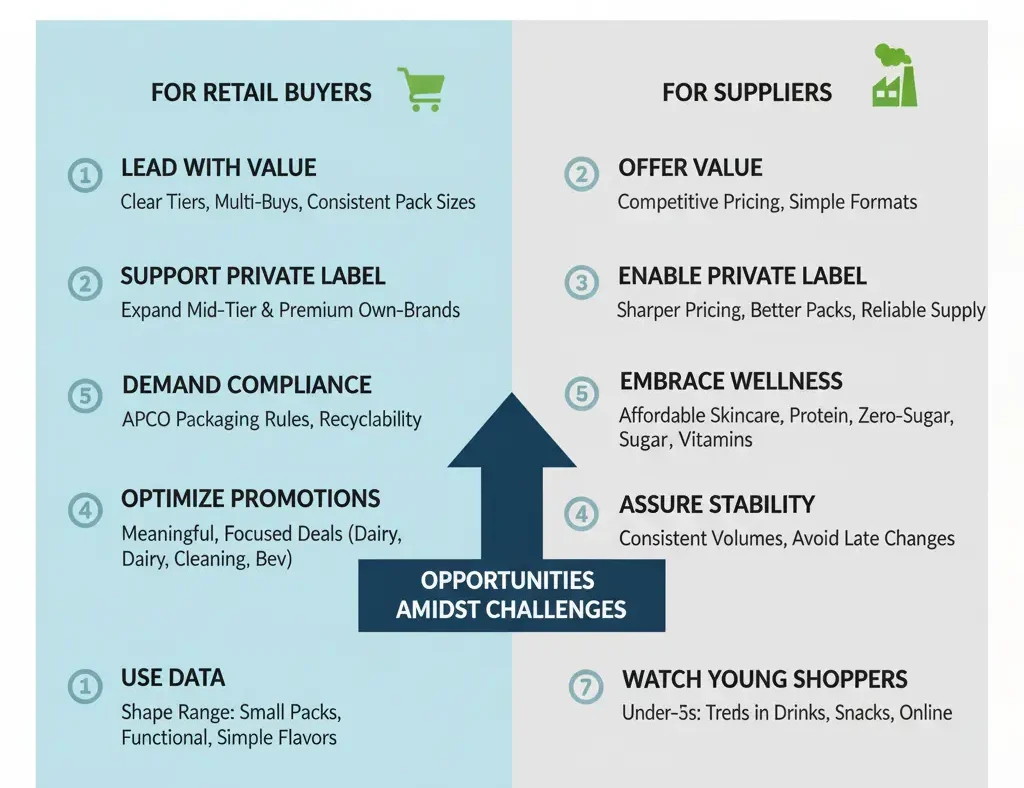
The Australian FMCG market is not easy right now, but there are clear opportunities for both sides of the table.
Here are the areas that matter most:
1. Lead with real value
Shoppers want strong pricing, but they also want simplicity. Clear value-tier ranges, good multi-buys, and consistent pack sizes make a difference.
2. Support private label growth
Retailers will continue expanding own-brand. Suppliers need to bring sharper pricing, better pack formats, and more reliable supply if they want to stay competitive.
3. Show compliance on packaging
APCO rules are strict. Buyers now review packaging alongside quality and cost. Any brand that solves recyclability problems early will stand out.
4. Push wellness in the right places
Skincare, vitamins, high-protein snacks, zero-sugar drinks — these still grow even in a soft market. Innovation that fits everyday budgets works best.
5. Prepare for more cautious promotions
Shoppers rely on deals, but they are not chasing every offer. Promotions need to be meaningful and focused, especially in dairy, household cleaning, and beverages.
6. Keep supply stability front and centre
Weather, transport and input costs are unpredictable. Retailers prefer suppliers who deliver consistent volumes and avoid late changes.
7. Use data to shape the range
Demand patterns are different now. Small pack sizes, functional benefits, and simple flavours often outperform premium NPD. Range reviews should reflect this shift.
8. Watch younger shoppers
Under-35s drive functional drinks, wellness snacks and online grocery baskets. This group reacts fast to trends, so early innovation helps capture momentum.
Conclusion
The Australian FMCG market is still tough, but it’s moving.
Some categories grow quietly. Others stay flat. A few struggle. But value, wellness, and private label continue to shape shopper choices week by week.
For suppliers and buyers, the goal is simple: understand how people shop now, not how they shopped a few years ago.
This is the lens that helps cut noise, find the real gaps, and plan smarter for the coming year.
With price pressure, recyclable packaging rules and changing habits, the businesses that adapt early will move ahead fastest.
The picture across FMCG Australia 2025 trends is clear — value-led categories, stronger private label, functional wellness, and packaging compliance.
These are the forces driving the next stage of FMCG growth in Australian all supermarkets.