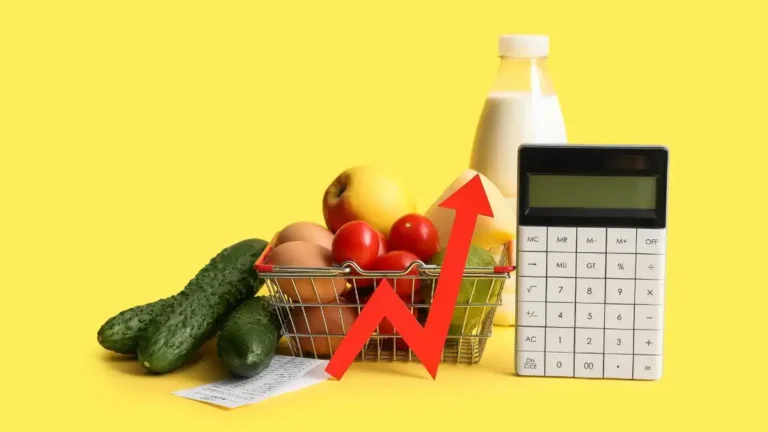

Canada’s Consumer Price Index (CPI) increased 2.4% year over year in March 2026, up from 1.8% in February, driven mainly by higher energy and food prices, according to the latest national inflation data released on 20 April 2026.
The increase reflects a sharp rise in gasoline costs linked to global supply disruptions, alongside continued pressure in grocery categories such as fresh vegetables. While some categories showed moderation due to base-year effects, overall inflation momentum strengthened compared with the previous month.
What is the Consumer Price Index (CPI)?
The Consumer Price Index (CPI) measures the average change in prices paid by consumers for a fixed basket of goods and services over time. It is widely used as the main indicator of inflation in Canada.
The CPI includes everyday expenses such as food, energy, housing, transport, and services. A rising CPI means consumers are paying more for the same basket of goods compared with the previous year.
At a glance: Canada CPI March 2026
- CPI rose 2.4% year over year (up from 1.8% in February)
- Monthly CPI increased 0.9%
- Energy prices rose 3.9% year over year
- Gasoline prices surged 21.2% month over month
- Food from stores increased 4.4% year over year
- Fresh vegetables rose 7.8% year over year
- Natural gas prices fell 18.1% year over year
Why did inflation rise in March 2026?
Inflation accelerated mainly due to higher energy costs, particularly gasoline, which saw a sharp monthly increase linked to global supply disruptions. These increases outweighed softer price movements in some categories affected by earlier tax-related base-year effects.
The shift marks a return to stronger headline inflation after two months of slower growth.
How did energy prices impact CPI?
Energy was the main driver of the CPI increase in March. Prices rose 13.1% month over month, with gasoline recording its largest monthly jump on record.
Gasoline prices were 5.9% higher year over year, while fuel oil and other fuels rose 26.1%. Natural gas moved in the opposite direction, falling 18.1%, reflecting stable North American supply conditions.
How are food prices changing in Canada?
Food inflation remained elevated, with food purchased from stores rising 4.4% year over year. Fresh vegetable prices showed the strongest movement, increasing 7.8%, driven by tighter supply conditions and adverse growing weather in key producing regions.
Restaurant food inflation slowed due to base-year effects linked to the end of the GST/HST break period in 2025.
CPI breakdown table – March 2026
| Category | Monthly Change | Year-over-Year Change | Key Driver |
|---|---|---|---|
| All-items CPI | +0.9% | +2.4% | Energy and food |
| Energy | +13.1% | +3.9% | Gasoline surge |
| Gasoline | +21.2% | +5.9% | Supply disruption |
| Food (stores) | Not stated | +4.4% | Grocery inflation |
| Fresh vegetables | Not stated | +7.8% | Supply constraints |
| Natural gas | Not stated | -18.1% | Stable supply |
What does this mean for consumers and retailers?
For households, the data signals renewed pressure on essential spending, particularly fuel and fresh food categories. Grocery bills are likely to remain sensitive to supply conditions in produce markets.
For retailers and FMCG suppliers, the shift adds complexity to pricing strategies, especially in fresh categories where volatility remains high. Discount and private label positioning may continue to play a stronger role in consumer choice.
What happens next in inflation trends?
The next CPI release is scheduled for May 2026 and will show whether energy-driven inflation stabilises or continues to rise. Analysts will also watch whether food inflation spreads beyond fresh produce into broader grocery categories.
With the final base-year effect from past tax changes now fading, future CPI readings will more clearly reflect real-time price pressures across energy, food, and retail supply chains.