
In Canada’s grocery and food manufacturing sector, packaging is often judged by how it works on the line and how it looks on the shelf. For a long time, most of that packaging came from outside the country — large suppliers in the U.S., Europe, and Asia handled the volume. But over the past few years, something has shifted. More producers are choosing to develop and source packaging closer to home.
This shift has not been driven by marketing or by trend language. It is driven by workday realities: timelines, freight, storage space, and the pace of product change in Canadian retail. As those pressures have increased, Canadian packaging converters — especially mid-sized, regionally based firms — have become more valuable.
Why Canadian Producers Are Looking Closer To Home
The Canadian grocery landscape is different from most others. Distances are long. The weather swings sharply between seasons. Retail networks span from dense urban centers to remote distribution areas. These factors influence packaging performance, cost, and logistics.
Producers are finding that packaging decisions made thousands of kilometers away don’t always translate well to local conditions. When packaging arrives late, does not seal well in cold-weather environments, or requires quick adjustments to a retailer’s request, it can slow down the entire operation.
Working with a partner inside Canada helps avoid those delays. Materials move shorter distances. Communication is faster. If something needs fixing, it can be handled without waiting through customs or long transit times.
Who These Mid-Sized Converters Are
The companies driving this shift are not the largest corporate converters with multi-national footprints. They are mid-scale manufacturers with strong technical staff, established production lines, and direct relationships with food producers in their regions. They are large enough to meet volume demands but not so large that every job must fit a rigid schedule or long-run minimum.
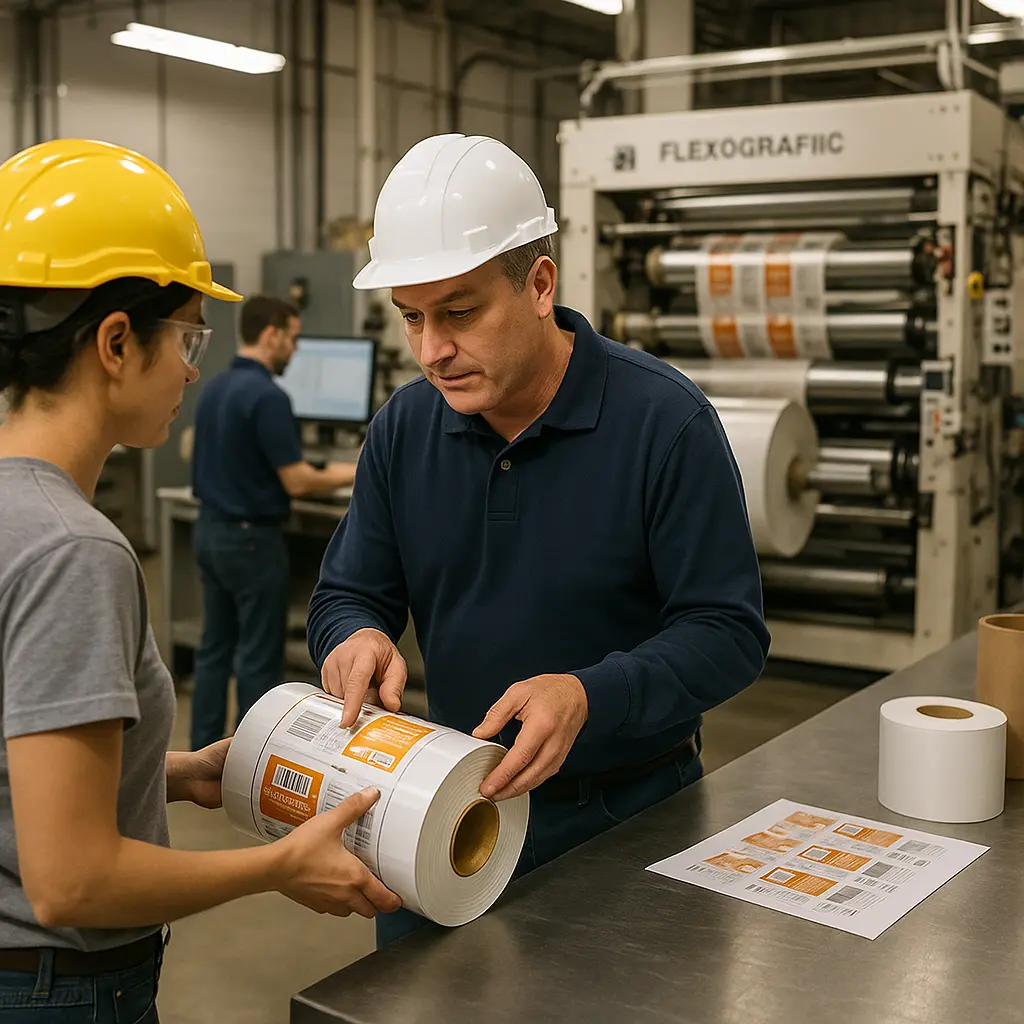
They typically offer:
- On-site testing support
- Shorter production runs
- Artwork adjustments without long queue times
- The option to trial new materials before committing to bulk orders
These are the kind of services that become essential when products move fast and packaging cannot slow them down.
Speed Matters InToday’s Retail Environment
Canadian supermarkets rotate products more quickly than before. New SKUs enter shelves to test shopper interest. Private label ranges are often redesigned. Freshly prepared items shift packaging based on season, supply, or kitchen production changes. A package that was right in March may not be correct by July.
In this environment, packaging cannot be static. It has to adapt, and it has to do so quickly.
When producers work with Canadian packaging converters, the timeline from idea to shelf is shorter. A design change can be reviewed in a real meeting, not over delayed shipping samples. A new tray test can happen next week, not next quarter. A print correction can happen mid-run, not after thousands of unusable units have been made.
Speed is not a bonus. It is survival.
Sustainability Expectations Are Growing
Pressure around sustainability is growing steadily across Canada. Retailers want packaging that reflects responsible sourcing, recyclability, and material reduction. Producers are being encouraged — and in some cases required — to increase recycled content and reduce unnecessary packaging layers.
The challenge is that recycling systems differ across regions. What is recyclable in Metro Vancouver may not be recyclable in small-town Saskatchewan. One province may support compostable packaging; another may not allow it in municipal compost facilities at all.
This means packaging must be designed with regional waste handling reality, not just theoretical recyclability claims.
Canadian packaging converters are closer to these conditions and design packaging that works within the actual systems available. That practicality is part of why they are gaining influence.
Fresh And Prepared Foods Are Leading This Shift
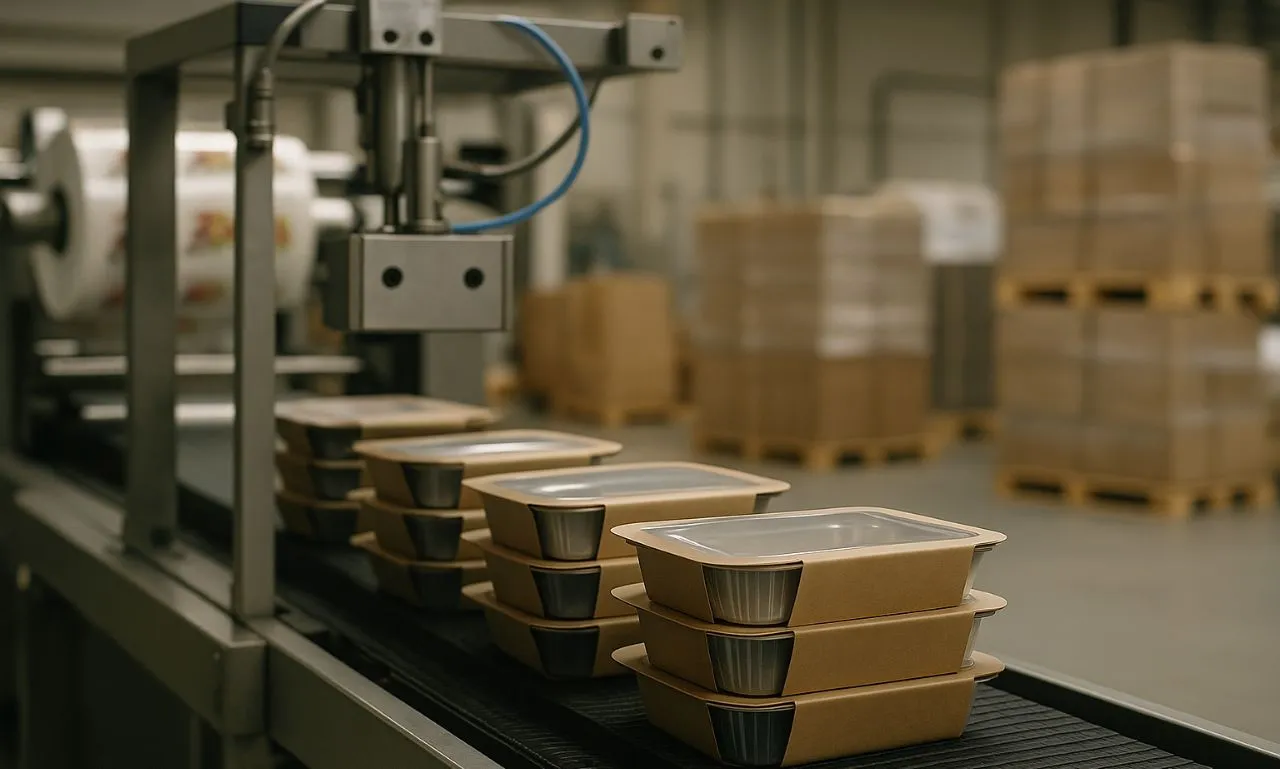
Fresh and chilled foods often show packaging changes first, partly because product quality depends on the package’s performance. Temperature, moisture levels, sealing reliability, and oxygen exposure all affect shelf life.
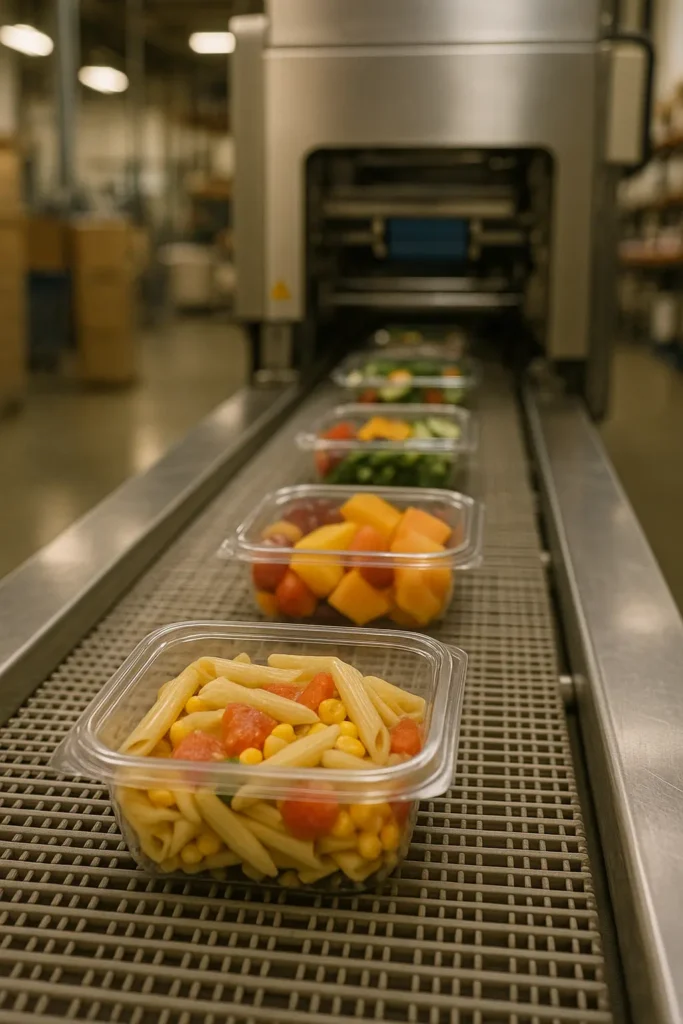
For example:
- Fresh fruit and vegetables may need different ventilation patterns based on harvest region and moisture levels.
- Prepared deli meals may require a tray that resists brittleness in cold storage.
- Bakery products may need window films that stay clear, not cloudy, when displayed in the store.
These are not theoretical adjustments — they are decisions made in real time, often weekly. A converter located inside Canada can support these ongoing modifications without delays or considerable waste risk.
Private Label Is Reinforcing The Trend
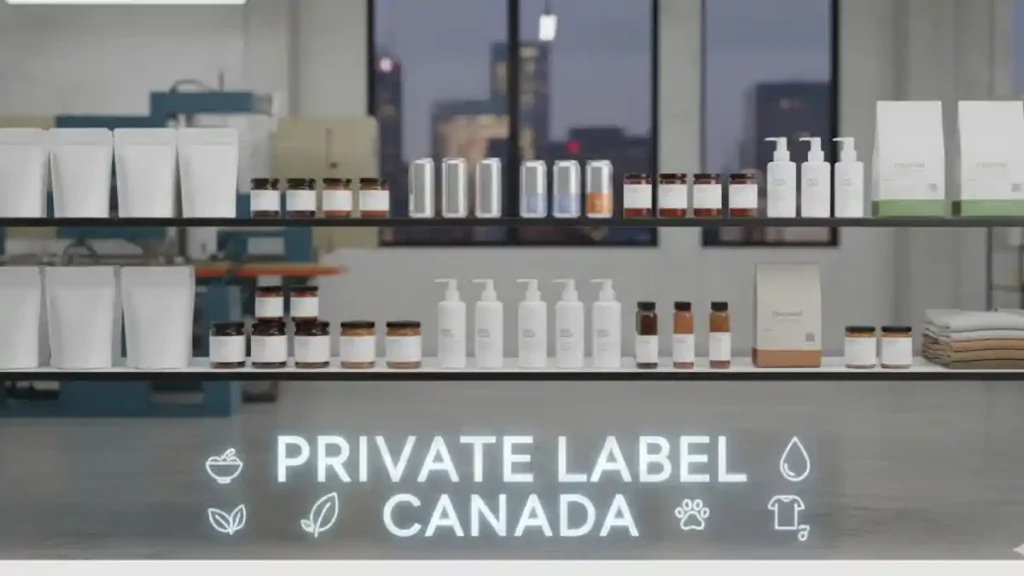
Canadian retailers continue to expand their private-label offerings across categories. These products need packaging that can change quickly, support category styling, and avoid long inventory carry. When packaging designs are refreshed, stock cannot sit idle for months before being used.
Local converters allow:
- Smaller print runs without heavy cost penalties
- Faster color and artwork checks
- Lower risk of outdated packaging going to waste
As private label grows, the value of close packaging suppliers grows with it.
It’s Not Just About Cost — It’s About Control
Cost will always matter. But producers are realizing that cost is more than the price printed on a quote sheet. The real cost comes from:
- Line downtime when packaging does not run properly
- Overstocking packaging that later becomes unusable
- Stockouts when packaging arrives late
- Wasted freight and storage capacity

Local production reduces these risks. Shorter supply lines are easier to manage. Packaging becomes a controlled variable, not an uncertainty.
Control is becoming a stronger purchasing driver than simple unit price.
Where This Trend Is Going
The rise of Canadian packaging converters is unlikely to reverse. Freight volatility, private label expansion, sustainability requirements, and product rotation speed are long-term trends. They are not temporary market conditions.
This does not mean global suppliers will disappear. They will remain important, especially for very high-volume runs and specialty materials.
But the balance is shifting.
More producers will work with a blend:
- Local converters for responsive, adaptive, short-run, and medium-run needs
- Larger international suppliers for stable, high-volume lines
This hybrid model gives producers resilience — something Canada’s food system has learned to value.
Conclusion
The rise of Canadian packaging converters is not a flashy story. It does not lead to big advertising campaigns or consumer headlines. It is a practical change happening inside factories, warehouses, and retailer supply planning meetings.
It is happening because Canadian producers need packaging that works where they work, in the conditions they face, on the timelines they must meet.
Local packaging support helps them do that — and that is why this shift is real, steady, and still growing.