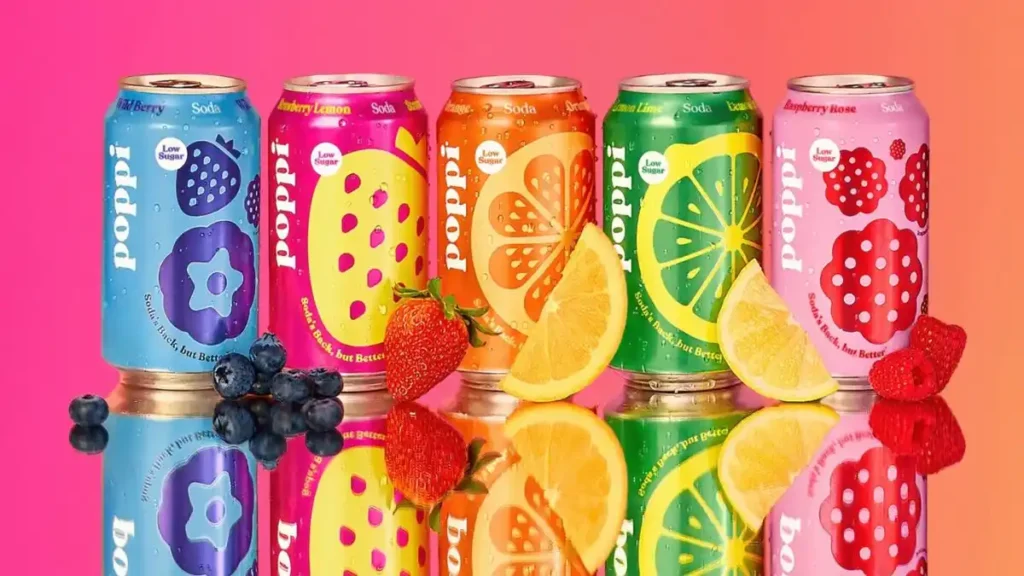
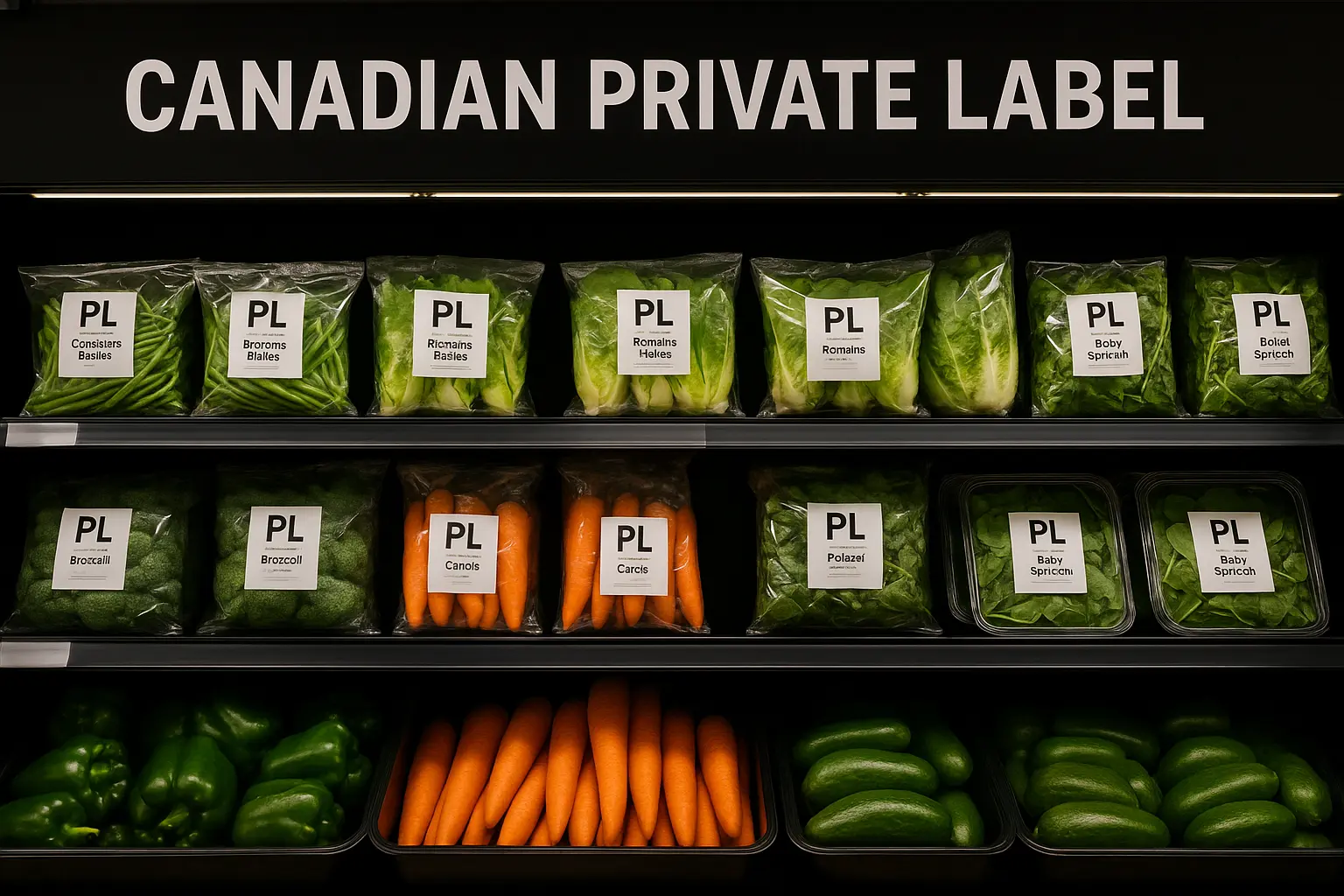

Canadian supermarkets are changing how they build private label products. In the past, most private-label items came from large manufacturers, and the main goal was to offer a lower-cost option than national brands. The products looked similar across the country, with very little connection to local identity or regional taste.
Today, the strategy looks different. Retailers are now working more closely with local and regional suppliers, including small farms, family bakeries, dairy producers, and mid-sized food processors. The goal is to create private-label items that feel more Canadian, not just cheaper. This shift is one of the key drivers of Canadian private label growth.
The idea is simple: When a product feels closer to home, shoppers trust it more. When a product uses ingredients from a familiar place, it feels more honest. And when a product reflects the taste of a region, it fits better in everyday meals. Retailers are using these insights to change how their private label lines are made and marketed.
Why Local Matters
Shoppers across Canada care about where their food comes from. They want products that feel real, fresh, and made with care. When shoppers see a private-label item made by a local producer, it becomes more relatable. It feels less generic.
Local supply also helps retailers solve practical problems. Shorter transport distances mean fresher produce and less waste. It also means fewer disruptions when global shipping becomes unstable. In recent years, supply chain issues have made many retailers realize that relying too heavily on long-distance imports can pose risks. Working with nearby suppliers gives stores more control.
This shift was not driven only by cost. It was driven by trust. Trust is now a key value in food retail. And trust is helping support Canadian private label growth.
Regional Food Identity
Canada is one country, but food culture varies across the country. This is important for a private label strategy.
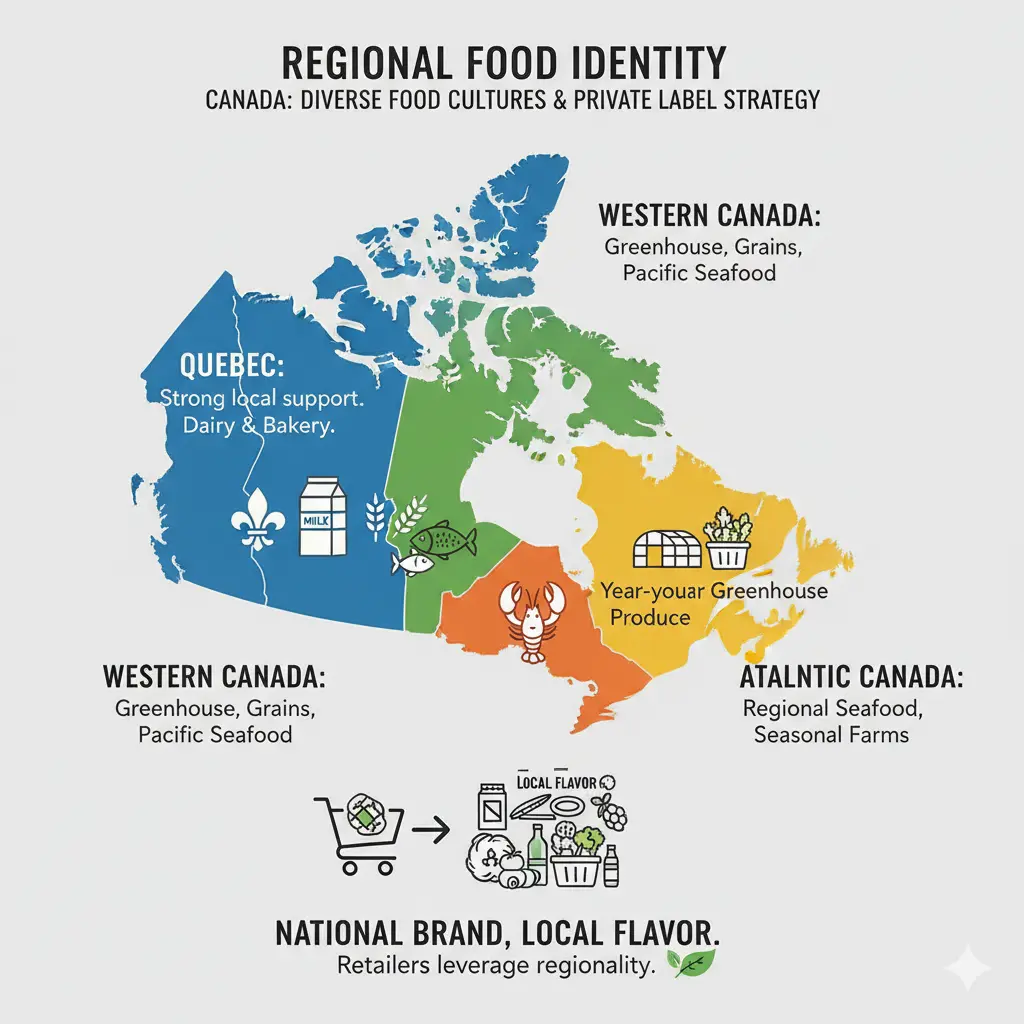
- In Quebec, shoppers strongly support products tied to Quebec identity.
Dairy and bakery items often highlight local production. - In Western Canada, there is strong access to greenhouse produce, grains, and Pacific seafood.
Private label ranges reflect these ingredients. - In Atlantic Canada, private label often includes seafood from regional processors and seasonal farm products.
- In Ontario, large greenhouse networks produce year-round vegetables that are now available under private-label lines in many provinces.
Retailers use this regional diversity as a strength, not a challenge. One store brand name can still feel different and local, even when the suppliers behind it are the same. This allows national-scale branding with local flavor and meaning.
Fresh Produce Partnerships
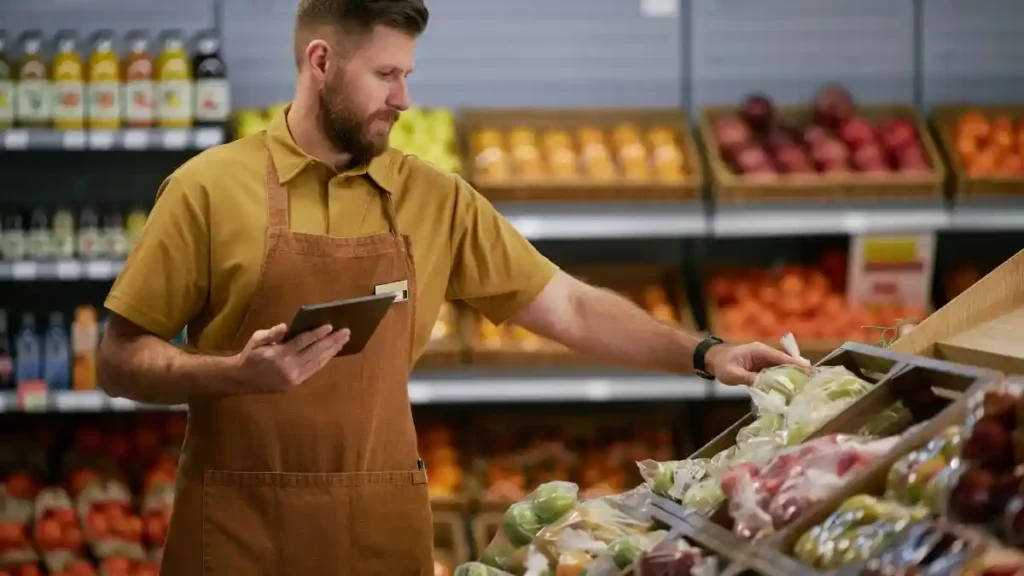
Fresh produce is one of the clearest examples of this trend. Many private label vegetables — such as tomatoes, peppers, lettuce, and cucumbers — now come from nearby greenhouse growers. These growers operate in several Canadian regions and supply retailers more directly than before.
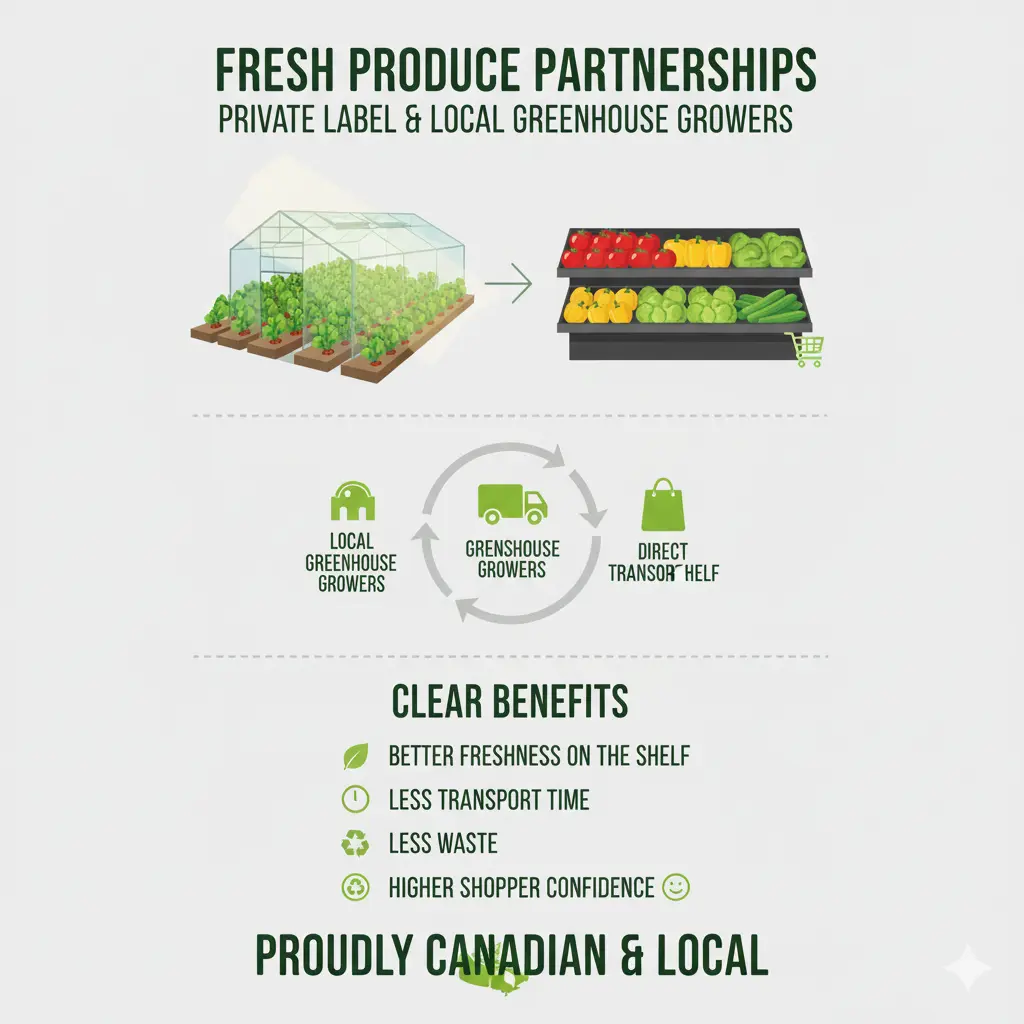
The benefit is clear:
- Better freshness on the shelf
- Less transport time
- Less waste
- Higher shopper confidence
When shoppers see produce that is grown in their own province or the next one over, it feels more natural to buy. This supports both local agriculture and Canadian private label growth.
Local Dairy Suppliers
The dairy category also shows strong local supply patterns. Provincial dairy co-operatives or regional processing plants often produce milk, yogurt, butter, and cheese for private label lines.
In some cases, the packaging will mention the region or the producer group. This is very important for trust, because dairy is seen as a personal, everyday product. When shoppers feel confident about the source, they are more willing to choose the store brand.
Local dairy partnerships also help retailers maintain a stable supply, because dairy is already structured to operate at the provincial level.
It is a category where local sourcing is natural, and retailers are now communicating it more clearly on packaging.
Bakery And Ready Meals
Bakery is another category where retailers are partnering with regional producers. Instead of buying bread and pastries from faraway centralized factories, many stores now work with bakeries in the same province or region. This leads to fresher products, better taste, and a stronger connection to local food habits.
Ready meals and frozen meals are also changing. A growing number of small and mid-sized food companies are producing private-label soups, pasta dishes, pies, and family-style comfort meals. These items are designed to match local preferences, and they often use ingredients from nearby suppliers. This is helping private label become more distinct and meaningful, not just cost-driven.
How The Partnership Works
The model is simple:
- The retailer owns the store brand.
- The local supplier makes the product.
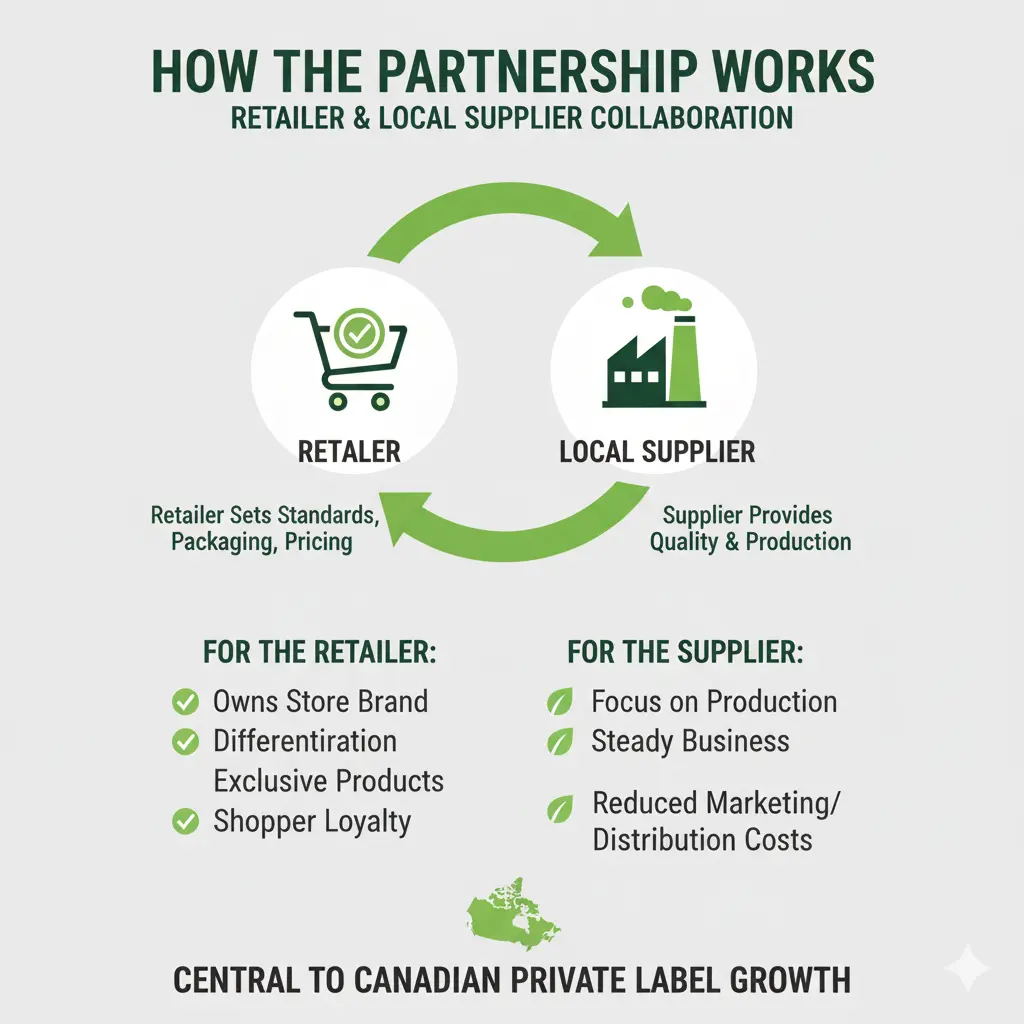
The retailer sets the product standards, packaging, and pricing. The supplier focuses on quality, production, and consistency. For the supplier, the benefit is steady business. They do not have to spend heavily on marketing or distribution. They can focus on making good products.
For the retailer, the benefit is differentiation. Their private label becomes something that other stores do not have. It becomes a reason for shoppers to return. This partnership model is now central to Canadian private label growth.
Business Impact
Retailers are seeing positive effects:
- Stronger shopper loyalty
- Improved shelf freshness
- More price control
- Reduced supply chain risk
- A product range that matches local identity
These outcomes make private label more competitive than before.
Private label is no longer only about low price.
It is about offering products that feel like they belong to the region where they are sold.
What Comes Next
The next stage of growth will likely include:
- More products that show the region of origin on packaging
- More seasonal items tied to local harvests
- More bakery and prepared meal partnerships
- More small and mid-size producers are entering store brands
Retailers will continue to blend national brand structure with local supply flexibility. This is how Canadian private label growth will continue to expand in the coming years.