
Carrier has stepped forward as a key private-sector sponsor of the 2025 World Cold Chain Symposium, reinforcing how essential modern cold-chain systems have become to global food distribution and supermarket supply networks.
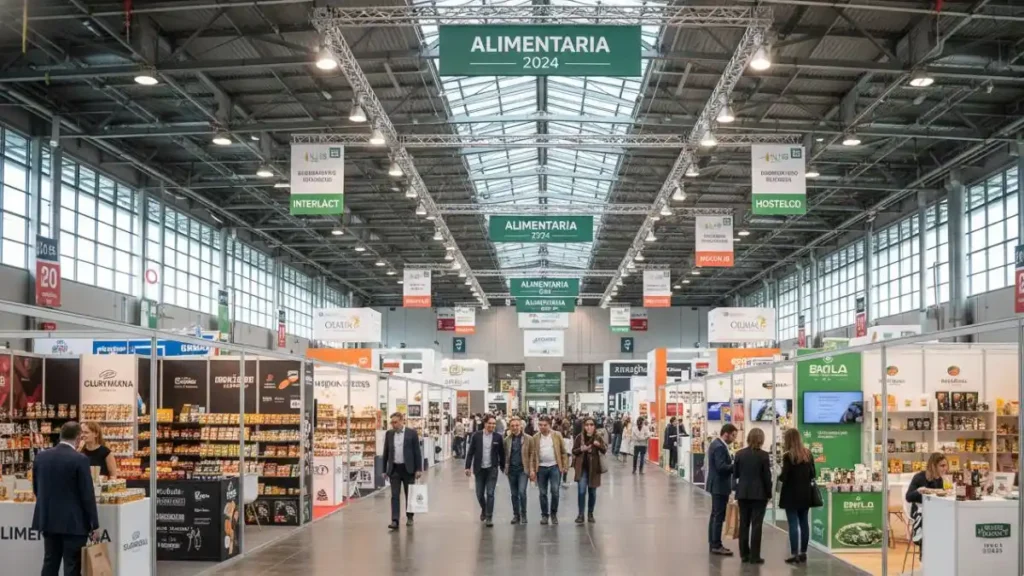
The event took place in Nairobi ahead of this year’s Montreal Protocol meetings and focused on how governments, industry and finance can work together to build reliable, low-emission cold-chain infrastructure.
The theme of the symposium — energising the private sector — reflects a shift in how cold-chain development is funded. Early grants and pilot projects still matter, but long-term progress depends on companies investing in scalable technology, training and commercial models that can actually survive market realities.
Carrier used the platform to highlight its work in electrification, connected refrigeration and technician training across developing regions. These are areas where supermarkets increasingly depend on more resilient systems, especially as they expand chilled and frozen ranges across fresh produce, dairy, ready meals and protein.
Cold-chain reliability has become a strategic issue for retailers looking to cut waste, improve food safety and manage emissions. It is also becoming a core part of how supermarkets shape their wider sustainability strategies, particularly as energy-intensive logistics operations come under scrutiny.
The company pointed to training programmes already operating in Africa and Asia, designed to build local technical capacity for refrigerated transport and storage. These centres support the growth of professional cold-chain networks in markets where cooling infrastructure has historically lagged behind consumer demand.
Carrier’s participation also signals how the supplier landscape is shifting. Refrigeration, transport technology and connected monitoring systems are now treated as strategic categories within major retail supply partnerships. The broader supermarket supplier base has become more involved in long-term infrastructure planning, especially in regions where cold-chain reliability directly impacts category performance.
Discussions during the symposium focused on what needs to happen after the first round of funding or climate investment is awarded. Many early projects make headlines, but scaling them requires private companies that can keep equipment running, train technicians, and adapt solutions to different climates and customer needs.
For supermarkets, the implications are clear. Better cold chains widen the range of products that can be sourced, distributed and sold with confidence. They also reduce the margin pressure created by spoilage, delays and high fuel consumption in refrigerated fleets.
The sessions also explored how the pharmaceutical and e-commerce sectors are reshaping refrigerated transport expectations. These are areas where speed, temperature integrity and traceability are treated as non-negotiable — pressures that are now carrying over into food logistics.
The industry is also preparing for more regulatory oversight. Many markets are tightening requirements for emissions, refrigerant management and energy monitoring. Retailers with large chilled and frozen footprints are watching these developments closely as they influence both cost structures and equipment choices.
Carrier’s presence at the symposium positioned it as one of the companies helping define how the next generation of cold-chain systems will operate. The event made clear that global cold-chain reliability now depends on stronger industry partnerships and long-term investment models, rather than short project cycles.
More updates are expected through 2026 as governments and companies prepare for the next round of climate negotiations and infrastructure commitments. For retailers, the direction of travel is not in doubt. Cold-chain investment is becoming an operational priority, tied directly to category growth, waste reduction and long-term sustainability goals.
Why It Matters
Supermarkets rely on cold-chain stability across every part of their fresh and frozen offering. When infrastructure improves, category performance improves. When it fails, waste rises and availability drops.
Carrier’s work also ties directly into the wider push from retailers to meet new sustainability targets. Refrigeration, transport emissions and energy monitoring are now critical components of any sustainability strategy.
The evolution of the supplier base is another angle worth watching. Cold-chain technology partners have become central players in supermarket planning — something reflected in the shifting supplier landscape seen across the UK and global markets.
Editor’s note: This report is based solely on verified corporate updates and official event information. No quotes or paraphrased statements have been included.