
New consumer-goods products generated €20.5 billion in European sales and €651 million in incremental value over the latest 12-month measurement period, despite 13% fewer launches, according to research released by Circana on 17 November 2026.
The findings show why more products on supermarket shelves do not automatically mean more growth. Circana analysed 79,000 launches across 230 categories in the UK, Germany, France, Italy, Spain and the Netherlands, examining both the value sold through newer products and the additional sales they brought to their categories.
Those figures are different measures. The €20.5 billion represents sales generated by new launches; the much smaller €651 million is the additional value Circana attributes to innovation. Retailers assessing a proposed listing need to ask whether it expands demand or merely transfers spending from an established product.
The study covers sales data for the 52 weeks ending 28 June 2026 and was released on 17 November. It is not a forecast for the final weeks of 2026. The analysis also uses a separate consumer survey of 840 people across seven EMEA markets.
Shoppers remain interested in trying new products, but their willingness to pay a premium is weakening. Circana found that 82% of respondents had noticed new products during the previous month, while the average price premium of launches over existing products fell from 19% in 2025 to 16% in 2026.
For manufacturers, that narrows the room for error on pack size, price and positioning. For retailers, it makes evidence of additional category demand particularly important. A successful launch needs to earn space alongside established products and the retailer’s own label, rather than rely on novelty alone.
Chilled and fresh products generated €475 million in category incremental value, while frozen foods contributed €339 million. Personal care added €284 million and confectionery €182 million. These category-level measures should not be added together to derive the report’s net figure without reconciling declines elsewhere in the market.
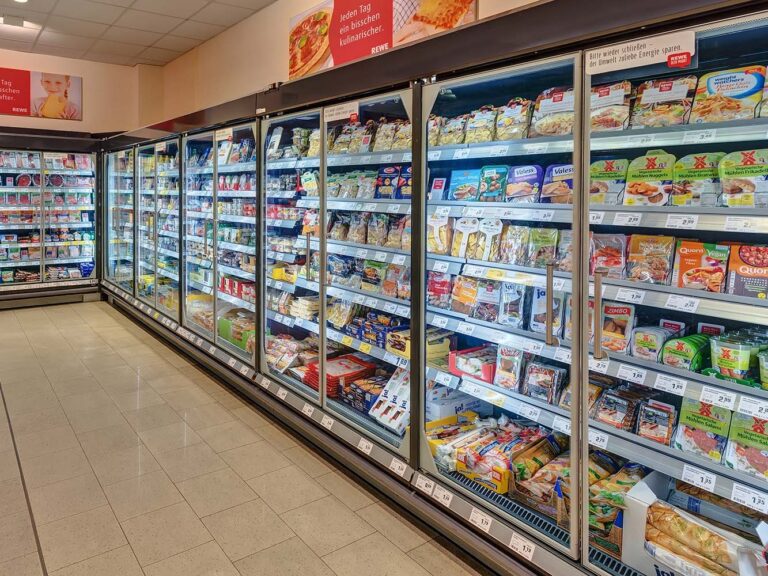
Fresh and frozen categories also present practical buying challenges. Products must justify their space in temperature-controlled fixtures, where shelf capacity, waste, replenishment and slower-moving lines can affect returns. That makes sell-through, rate of sale and the impact on existing listings as important as a launch’s headline value.
The geographical picture is mixed. The UK generated about €7 billion in new-product sales, up 10.5%, and had the highest share of new products on shelf, at 7.3%. Germany recorded a 17.6% rise in units sold by new products, while Italy accounted for a quarter of all launches across the six markets and 30% of food and drink introductions.
Those differences matter for multinational grocery suppliers. A product that works in a UK premium confectionery aisle may face different demand and price expectations in Germany or Italy. The report does not establish a single European launch strategy that can be applied unchanged to every market.
Smaller manufacturers have also strengthened their position. Seven of the 20 highest-performing launches, defined by Circana as delivering at least €1 million per SKU in first-year sales, came from small and medium-sized manufacturers. Mid-sized businesses accounted for 15 of the top 50 most valuable launches, compared with 11 a year earlier.
That is a meaningful development for independent producers seeking supermarket listings. Access to retail distribution remains difficult, but strong product-market fit can compete with the marketing and distribution budgets of larger manufacturers. The next challenge is maintaining availability and repeat purchase after the initial listing.
The competitive pressure is visible in how Italian supermarkets decide which FMCG products receive shelf space, where range selection depends on performance, category fit and profitability rather than supplier size alone. It also sits alongside the expanding role of supermarket private label, which increasingly competes with branded innovation for the same customer.
Circana says artificial intelligence is helping producers identify flavours and consumer needs, but the report does not demonstrate that every AI-assisted launch performs better. Its central finding is more practical: fewer new products are reaching shelves, and retailers must distinguish genuine incremental demand from sales moved between brands.
The 2026 European Innovation Pacesetters results were published by Circana on 17 November. The next measure for suppliers will be whether new lines keep growing after the initial launch window and can justify a permanent place in supermarket assortments.