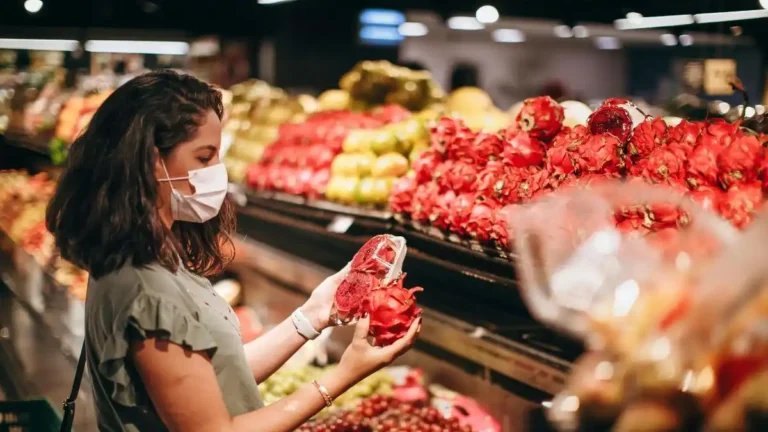

Australian supermarkets operate in one of the world’s most controlled food supply environments.
Many suppliers hope to sell products into Australian grocery retailers, such as:
- Woolworths
- Coles
- Aldi Australia
- IGA
- Costco Australia
- Harris Farm Markets
- other grocery retailers
For these suppliers, food certification is now closely linked to retail approval, export readiness, traceability and long-term supplier trust.
Australia is different from the UK, France, Germany, Canada and the United States.
The Australian system is shaped by several forces:
- supermarket audit expectations
- Food Standards Australia New Zealand
- state and territory enforcement
- biosecurity controls
- export certification
- strong HACCP-based food safety programs
FSANZ develops the Australia New Zealand Food Standards Code. All food sold in Australia and New Zealand must comply with that Code.
For suppliers, the key question is not simply: “What are the top 10 food certifications in Australia?”
The better question is:
Which food certifications do suppliers actually need to sell to Australian supermarkets?
The answer depends on the product, the retailer and the level of risk. It also depends on whether the supplier sells only inside Australia or also exports to overseas markets.
A small packaged food supplier may start with strong HACCP systems and local food law compliance.
A national private label supplier may need:
- SQF
- BRCGS
- FSSC 22000
- retailer audits
- traceability systems
- packaging compliance
A meat, dairy, seafood or organic exporter may face extra export documentation and certification requirements. These come through the Department of Agriculture, Fisheries and Forestry.
At a glance
| Area | What matters most in Australia |
|---|---|
| Main supermarket certification | SQF is highly influential across Australian grocery and food manufacturing |
| Legal food framework | Food Standards Code, FSANZ standards, state and territory enforcement |
| Operational food safety base | HACCP and food safety programs |
| Export-heavy categories | Meat, dairy, seafood, wine, produce and organic goods |
| Major retailers | Woolworths, Coles, Aldi Australia, IGA/Metcash, Costco Australia |
| Organic route | Approved organic certifying bodies for export organic goods |
| Halal route | Recognised Islamic bodies are important for red meat export markets |
| Global schemes | BRCGS, FSSC 22000 and ISO 22000 matter for multinational suppliers |
| Local pressure point | Biosecurity, traceability and retailer audits |
What certifications do Australian supermarkets actually require?
Most Australian supermarkets do not use one single certification rule for every supplier.
Instead, suppliers normally face several layers of approval. They must:
- comply with Australian food law
- follow relevant food safety standards
- satisfy state or territory requirements
- meet the supplier expectations of the retailer they want to sell to
For larger supermarket contracts, suppliers are often expected to hold a recognised third-party food safety certification.
The most common certification systems in Australian supermarket supply chains include:
| Certification | Main role in Australia | Best suited for |
|---|---|---|
| SQF | Major retailer-recognised food safety certification | Packaged food, private label, frozen, chilled, produce |
| BRCGS | International retail and export alignment | Exporters, packaging, multinational suppliers |
| FSSC 22000 | Global food manufacturing standard | Ingredients, beverages, industrial food production |
| ISO 22000 | Food safety management framework | Manufacturers building structured systems |
| HACCP | Operational food safety foundation | Meat, seafood, dairy, prepared foods |
| Organic certification | Organic export and premium grocery positioning | Produce, dairy, packaged organic goods |
| Halal certification | Domestic and export market access | Meat, poultry, prepared foods, export products |
| Kosher certification | Specialist and export grocery access | Ingredients, snacks, bakery, beverages |
| Retailer audits | Supermarket-specific approval | Private label and higher-risk suppliers |
| Export certification | Market access for controlled goods | Meat, dairy, seafood, organic goods |
Legal compliance vs retail certification
The important point is simple. Legal compliance allows a food business to operate.
Retail certification helps a supplier win access to major supermarket supply chains. Those two areas are connected, but they are not the same.
Why Australia’s supermarket certification system is different
Australia has a smaller population than the United States or Europe. But its food supply chain is highly sophisticated.
The country supplies a large domestic grocery market. It also exports major volumes of food and agricultural products. That export role makes food safety certification more important than in many purely domestic markets.
Meeting local and overseas rules
Australian suppliers often need to think in two directions at the same time.
They must meet local supermarket expectations. But they may also need to satisfy importing-country rules in Asia, the Middle East, Europe, North America and New Zealand.
That is why these areas matter so much in Australia:
- export certification
- halal approval
- organic export certification
- biosecurity
- traceability
The Department of Agriculture, Fisheries and Forestry sets out export responsibilities by product and exporter role. Some goods need specific permits or certificates before they can leave Australia.
This makes Australia more export-focused than many other countries in this series.
FSANZ and the Food Standards Code
Food Standards Australia New Zealand is one of the most important institutions in the Australian food system.
FSANZ develops standards for food sold in Australia and New Zealand. These standards are compiled in the Australia New Zealand Food Standards Code.
The Code covers key areas such as:
- food safety
- labelling
- contaminants
- food additives
- nutrition information
- composition standards
Why it matters to supermarket suppliers
For grocery suppliers, this is the legal foundation.
Certification such as SQF or BRCGS does not replace Food Standards Code compliance. It supports retailer confidence, but it does not remove the supplier’s legal responsibility.
FSANZ also provides guidance for food safety standards. These standards require Australian food businesses to produce food that is safe and suitable to eat. They also place health and hygiene obligations on food handlers.
HACCP and food safety programs in Australia
HACCP is central to Australian food safety systems.
It is not only a certification idea. It is the practical method many food businesses use to identify and control hazards. This covers food production, handling, storage and distribution.
In Australia, Standard 3.2.1 covers food safety programs. FSANZ explains that a food safety program is a written document. It shows how a food business will control food safety hazards linked to its food handling activities.
This matters for suppliers. Supermarket buyers want confidence that food safety is controlled every day, not only during an audit.
What HACCP covers
HACCP-based systems usually cover:
- biological hazards
- chemical hazards
- physical hazards
- allergens
- temperature control
- sanitation
- traceability
- corrective actions
HACCP is especially important for suppliers working in:
- meat
- poultry
- seafood
- dairy
- chilled meals
- ready-to-eat foods
- bakery
- frozen products
For large supermarket supply chains, HACCP alone may not be enough. But without strong HACCP systems, suppliers will struggle to keep SQF, BRCGS, FSSC 22000 or retailer audit approval.
SQF: The strongest supermarket certification in Australia
SQF is one of the most influential supermarket-recognised certification systems in Australia.
It is widely used across North American and Australian food supply chains. This makes it especially useful for suppliers selling to major retailers, private label customers and export markets.
In Australia, SQF is especially relevant for:
- packaged grocery
- frozen foods
- chilled foods
- bakery
- dairy
- produce
- seafood
- snacks
- beverages
- private label manufacturing
Not a government requirement
SQF is not a government requirement. That point matters.
A supplier should not describe SQF as legally mandatory in Australia. The more accurate position is that SQF is a strong retailer-accepted certification. It is often commercially valuable for suppliers trying to enter supermarket supply chains.
Some suppliers target Woolworths, Coles, Aldi Australia, Costco Australia or national wholesale channels. For them, SQF can help show that the business has a structured, audited food safety system.
Is SQF required for Australian supermarket suppliers?
SQF is not legally required for every food supplier in Australia.
However, many supermarket buyers and large food customers expect suppliers to hold recognised third-party certification. This is especially true for higher-risk categories or private label production.
That makes SQF commercially important, even when it is not legally mandatory.
A small local supplier may begin with food law compliance, HACCP, local authority approval and strong documentation.
A supplier targeting national supermarket ranging will usually face much higher expectations.
BRCGS in Australian grocery supply chains
BRCGS is less dominant in Australia than in the UK, but it still matters.
It is particularly useful for suppliers that:
- export
- work with multinational retailers
- produce private label products
- sell into customers that already recognise BRCGS
BRCGS is often relevant for:
- food manufacturing
- packaging suppliers
- ingredient companies
- storage and distribution
- export-focused businesses
Some Australian suppliers sell into the UK, Europe, the Middle East or global retail systems. For them, BRCGS can support broader international acceptance.
In domestic Australian supermarket supply, SQF may often feel more familiar to buyers. But BRCGS remains a respected international standard.
FSSC 22000 and ISO 22000 in Australia
FSSC 22000 and ISO 22000 are important for larger manufacturers and global supply chains.
ISO 22000 provides a food safety management framework. FSSC 22000 builds on ISO 22000. It is used widely by manufacturers that need a globally recognised certification system.
In Australia, these standards are especially relevant for:
- ingredient suppliers
- beverage manufacturers
- food additives
- large industrial processors
- multinational FMCG companies
- exporters
Compared with SQF, FSSC 22000 is often more manufacturing-led and international in style.
That makes it useful for companies supplying many markets rather than only one supermarket system.
IFS in Australia
IFS is not as strong in Australia as it is in Germany, France, Italy and Spain.
However, it can still matter for Australian suppliers exporting into European supermarket systems.
A supplier selling mainly to German or French retailers may need IFS alongside Australian compliance and other certifications.
For domestic supermarket supply, IFS is usually less central than SQF, BRCGS or FSSC 22000.
This is why the Australia article should not force IFS into the top position. It belongs in the article, but not as the main certification.
Organic certification in Australian supermarkets
Organic certification matters in Australia, but it needs to be explained carefully.
Export rules for organic goods
For exports, Australia has clear certification requirements.
The Department of Agriculture states that some exported goods must be certified by an approved certifying body. This applies to goods labelled as organic, bio-dynamic or similar and exported from Australia. They must also be accompanied by an organic goods certificate.
The department also lists approved certifying bodies. These bodies certify organic and bio-dynamic operators and exporters as compliant with Australia’s export requirements.
Where organic certification matters
Organic certification is important for:
- fresh produce
- dairy
- wine
- packaged grocery
- baby food
- health-positioned grocery
- premium private label
Australian organic suppliers must also be careful. Organic claims can create trust issues if certification is unclear.
For supermarket buyers, credible organic certification helps protect category integrity and consumer trust.
Halal certification in Australia
Halal certification is highly important in Australia, especially for meat and export markets.
Australia exports food products to Muslim-majority markets across the Middle East and Asia. For red meat exports, the Australian Government keeps a list of recognised Islamic bodies for halal certification.
This is one of the clearest examples of why Australia’s certification system is export-focused.
Halal certification matters for:
- beef
- lamb
- poultry
- processed meat
- ready meals
- frozen foods
- sauces
- ingredients
- export grocery products
Domestic demand
It also matters domestically. Australia has a multicultural consumer base and growing demand for certified halal grocery products.
Retailers want certification credibility, clean documentation and traceability through the full supply chain.
Kosher certification in Australia
Kosher certification is smaller than halal in Australia, but it still has commercial value.
It is most relevant for:
- packaged foods
- snacks
- bakery
- confectionery
- beverages
- ingredients
- export products
Many food manufacturers also use Kosher certification as a broader signal of ingredient control and process discipline.
For exporters, Kosher certification can support access to North America, Europe, Israel and specialist grocery markets.
Export certification and controlled goods
Export certification is one of the biggest reasons Australia is different from many other supermarket markets.
Australian suppliers do not only sell domestically. Many sell into strict export markets where importing countries require:
- official documents
- product inspection
- halal status
- organic certificates
- market-specific declarations
The Department of Agriculture provides export guidance. It sets responsibilities depending on product type and exporter role.
This is especially important for:
- meat
- dairy
- seafood
- eggs
- live animals
- plants
- organic goods
- some processed products
Why export readiness helps at home
For supermarket suppliers, export readiness can strengthen credibility even in the domestic market.
A supplier that can meet export controls often has stronger documentation, traceability and quality systems.
Biosecurity and traceability
Biosecurity is a major part of the Australian food system.
Australia places strong controls on imported food, agricultural products, animals, plants and biological risks. This is because its food system, farming base and export reputation are highly sensitive to pests and disease.
For supermarket suppliers, biosecurity affects:
- imported ingredients
- fresh produce
- meat
- seafood
- storage
- transportation
- export documentation
Why traceability is growing in importance
Traceability is also becoming more important.
Retailers want to know where products and ingredients come from and how they were handled. They also want to know how fast a supplier can respond during a recall.
In Australia, traceability is not only a food safety issue. It is also linked to:
- export market access
- animal health
- biosecurity
- provenance claims
- consumer trust
Retailer-specific supplier requirements
Australian supermarket suppliers should not assume that one certification automatically guarantees a retail contract.
Major retailers still apply their own approval systems.
Woolworths, Coles, Aldi Australia, Costco Australia and IGA/Metcash supply networks may each apply different requirements. These depend on category and risk.
Retailer requirements can cover:
- food safety certification
- packaging compliance
- product testing
- ethical sourcing
- supplier declarations
- allergen controls
- traceability
- social compliance
- sustainability
- recall procedures
Private label scrutiny
Private label suppliers usually face the highest level of scrutiny because the retailer’s own brand is on the pack.
That means food safety failure becomes a direct retailer reputation issue.
Which certifications matter most by supplier type?
| Supplier type | Most important systems |
|---|---|
| Fresh produce suppliers | HACCP, SQF, organic certification, biosecurity, traceability |
| Private label manufacturers | SQF, BRCGS, HACCP, retailer audits |
| Meat and poultry suppliers | HACCP, export certification, halal certification, retailer audits |
| Dairy suppliers | HACCP, SQF, export certification, FSSC 22000 |
| Seafood suppliers | HACCP, export controls, traceability, SQF |
| Ingredient suppliers | FSSC 22000, ISO 22000, Kosher, BRCGS |
| Export-focused suppliers | SQF, BRCGS, FSSC 22000, halal, organic export certification |
| Packaging suppliers | BRCGS Packaging, retailer packaging standards, sustainability compliance |
Top food certifications for Australian supermarket suppliers
| Rank | Certification or system | Why it matters |
|---|---|---|
| 1 | SQF | Strong supermarket and food manufacturing recognition in Australia |
| 2 | HACCP | Operational foundation for food safety and many certification systems |
| 3 | Food Standards Code compliance | Legal foundation for food sold in Australia |
| 4 | BRCGS | Important for exporters, packaging and multinational suppliers |
| 5 | FSSC 22000 | Strong for industrial manufacturers and global supply chains |
| 6 | ISO 22000 | Useful food safety management framework |
| 7 | Organic certification | Important for premium grocery and export organic products |
| 8 | Halal certification | Critical for red meat exports and growing domestic demand |
| 9 | Kosher certification | Useful for packaged goods, ingredients and export markets |
| 10 | Retailer-specific audits | Often required for private label and higher-risk suppliers |
This ranking is not a legal ranking.
It is a practical supplier ranking based on retail relevance, export value, supermarket recognition and category use.
Common mistakes suppliers make in Australia
Relying on HACCP alone
One common mistake is assuming that HACCP alone is enough for national supermarket supply.
HACCP is important, but many retailers expect third-party certification for higher-risk or private label categories.
Treating organic as a marketing claim
Another mistake is treating organic certification as a simple marketing claim.
For exports, organic and bio-dynamic goods must meet approved certification requirements. They may also need an organic goods certificate.
Ignoring halal export rules
A third mistake is ignoring halal export rules.
For meat exporters, halal certification may involve recognised Islamic bodies and government-linked export requirements. This depends on the destination market.
Assuming one approval covers every retailer
A fourth mistake is assuming one supermarket approval covers every retailer.
Australian retailers may accept similar certification frameworks. But they still keep their own category expectations.
Frequently Asked Questions
Is SQF legally required to sell to Australian supermarkets?
No. SQF is not legally required for every food supplier in Australia. But many supermarket buyers expect recognised third-party certification, especially for higher-risk categories or private label production.
Does certification replace Food Standards Code compliance?
No. Certification such as SQF or BRCGS does not replace Food Standards Code compliance. All food sold in Australia and New Zealand must comply with the Code.
What do organic exporters need in Australia?
Goods labelled as organic or bio-dynamic and exported from Australia must be certified by an approved certifying body. They must also be accompanied by an organic goods certificate.
What happens next for Australian supermarket certification?
Australian supermarket supplier requirements are likely to become more detailed over the next few years.
Retailers are expected to increase pressure across the wider Australian supermarket supply chain. This includes traceability, sustainability, packaging compliance, ethical sourcing and data-backed supplier verification.
Export-facing suppliers will also face growing expectations from overseas markets, particularly within the Australian food exports sector. These cover halal integrity, organic verification, residue testing, provenance and biosecurity.
Certification as long-term market access
For many suppliers, certification is no longer just a technical audit issue.
It is becoming part of long-term market access across the australian fmcg sector and Australian food manufacturing industry.
Some suppliers have strong certification systems, clean documentation, reliable traceability and export-ready processes. They will be better placed to work with Woolworths, Coles, Aldi Australia, IGA, Costco Australia and international retail buyers.
The australian private label market is also likely to place stronger pressure on manufacturers. Retailers continue to expand own-brand grocery ranges and tighten supplier compliance systems.
Australia’s supermarket system rewards suppliers that can prove safety, consistency, accountability and operational transparency across the full food chain.
That is why food certifications for Australian supermarkets are becoming a core business issue. This applies to manufacturers, exporters, private label suppliers and grocery brands operating across Australian grocery retail.
Editor’s Note: This article is based on publicly available information from Food Standards Australia New Zealand, the Australia New Zealand Food Standards Code. The Australian Department of Agriculture, Fisheries and Forestry, export certification guidance, organic goods export rules, and recognised halal export certification systems.