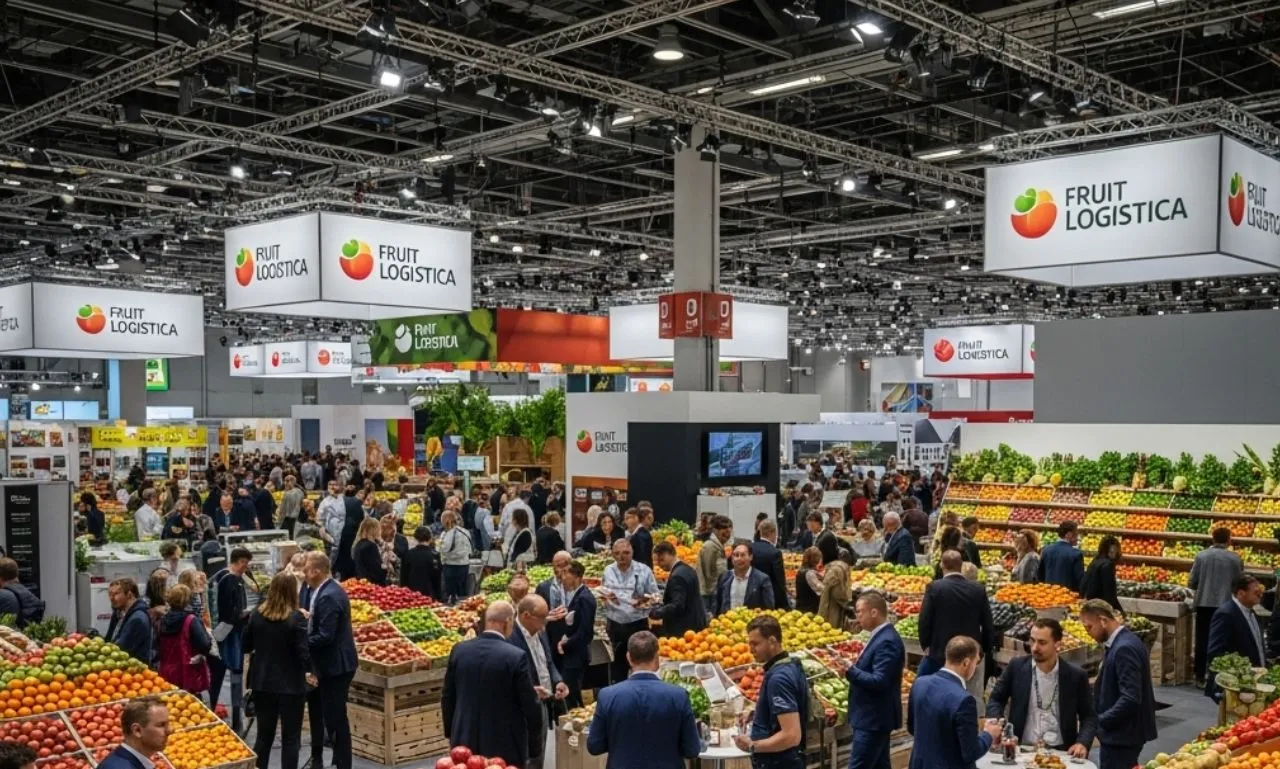

Media accreditation for FRUIT LOGISTICA 2026 is now open online. The trade show will take place in Berlin from 4 to 6 February 2026 at the Messe Berlin exhibition grounds. The official theme for the upcoming edition is “Let’s grow!”, signaling a focus on building new partnerships, exploring innovation, and strengthening the global fresh produce supply chain.
FRUIT LOGISTICA is widely recognized as one of the most important meeting points for the international fruit and vegetable business. It brings together growers, cooperatives, wholesalers, retailers, logistics specialists, packaging suppliers, importers, exporters, technology developers, and service providers. Each year, the event sets the tone for planning and collaboration within the fresh produce sector.
For media professionals, trade influencers, and business journalists covering agriculture, food retail, supply chain, and sustainability, this event offers a concentrated view of where the industry is moving next.
Accreditation And Press Access
Media representatives must complete accreditation online before arriving in Berlin. Once the registration is verified, a digital press badge will be emailed. The digital press badge allows:
-
Free entry to the exhibition halls
-
Access to the Media Center located in Hall 6.3
-
Use of press working areas, interview rooms, and support services
No on-site badge issue will be available. This means journalists are encouraged to register early. The verification process can take time, especially during busy weeks leading up to the event.
The shift to fully digital accreditation reflects a broader trend in trade shows and exhibitions. It reduces queueing at entry points, simplifies identity validation, and allows press attendees to prepare schedules in advance. It also allows media teams to coordinate interviews, plan hall routes, and secure appointments before arriving in Berlin.
Why FRUIT LOGISTICA Matters
Unlike general food fairs, FRUIT LOGISTICA focuses specifically on fresh produce and the full supply chain that enables it.
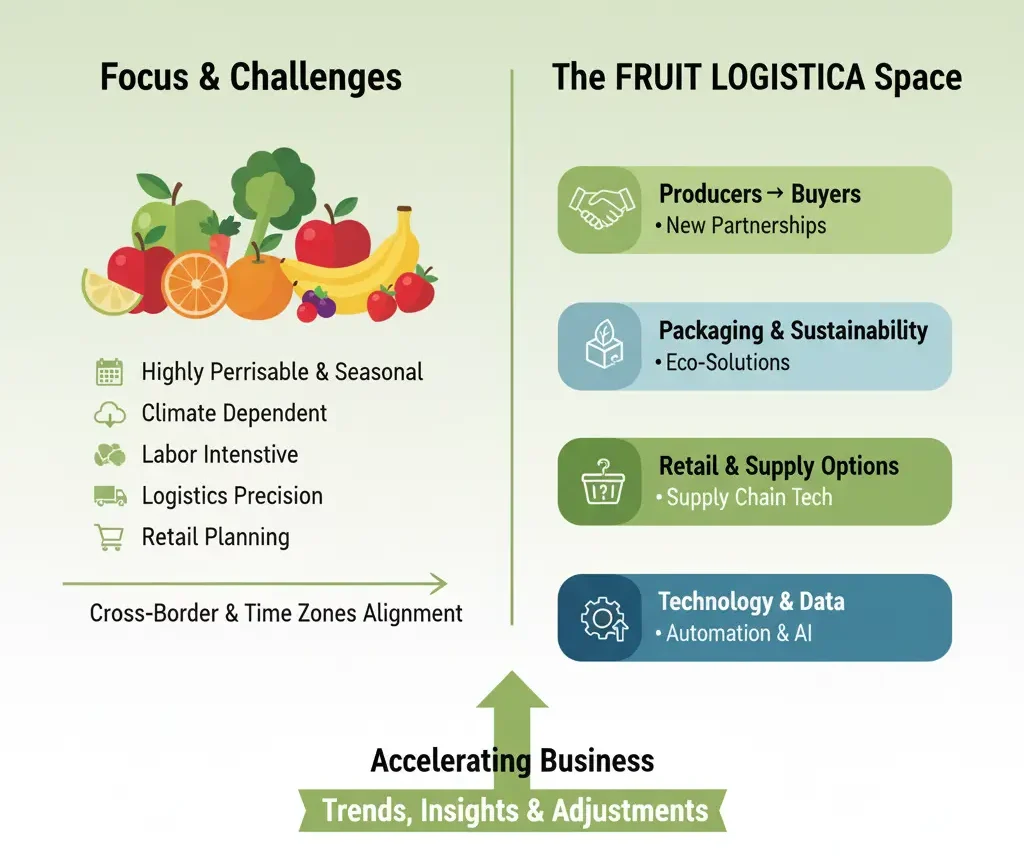
Fresh fruit and vegetables are highly perishable, seasonal, and dependent on climate, labor, logistics precision, and efficient retail planning. Every segment of the chain must function in alignment, often across borders and time zones.
FRUIT LOGISTICA provides a space where:
-
Producers meet buyers
-
Packaging meets sustainability expectations
-
Logistics providers demonstrate efficiency improvements
-
Retailers identify new seasonal supply options
-
Technology firms introduce automation and data tools
The fresh produce business moves quickly. Trends shift based on harvest performance, climate impacts, consumer taste, cost pressures, and regulatory developments. FRUIT LOGISTICA is where many of those adjustments are first recognized.
Key Focus Areas For 2026
Given the current evolution of the global fruit and vegetable sector, several themes are expected to be central at FRUIT LOGISTICA 2026.
1) Fresh Produce Quality and Origin Identity
Origin storytelling remains essential. Retailers are increasingly making origin information more visible, whether the source is regional, national or international. At the show, expect growers and exporters to highlight provenance, seasonality, and quality assurance as core differentiators.
2) Controlled-Environment and Greenhouse Growing
Producers are adapting to changing climate patterns. Greenhouse and protected cropping systems are becoming more advanced. Discussions will likely revolve around yield stability, resource-use efficiency, and how to scale controlled-environment agriculture while keeping prices competitive.
3) Technological Integration in Farming and Packing
Automation is playing a stronger role across the chain. Sorting, grading, irrigation monitoring, harvesting aids, and post-harvest quality control are increasingly guided by sensors, software, and machine learning. Demonstrations of sorting and packing equipment are expected to draw attention.
4) Logistics Efficiency and Cold-Chain Management
Transport remains a critical cost driver in the fresh produce industry. Expect strong focus on:
-
Optimized shipping routes
-
Cold-chain consistency
-
Load monitoring systems
-
Warehouse automation
-
Reduced-waste handling practices
5) Sustainability in Packaging and Operations
Packaging will continue to be discussed widely. On one side: protection, quality preservation, and shelf-life. On the other: waste reduction, recyclability, reusability and regulatory compliance. The conversation is shifting toward balance rather than removal.
The Role Of The Media Center
The Media Center in Hall 6.3 is designed to support journalists, trade editors, broadcast teams, and photo correspondents. It provides workspace, laptop tables, internet access, and a quiet setting for drafting articles or planning interviews. It is also typically the best place to pick up press schedules, maps, floor plans, and information on special exhibitor announcements.
Having a dedicated base inside the show is useful. FRUIT LOGISTICA spans multiple halls, and the walking distance alone can be significant. Planning coverage from a central location keeps reporting efficient.
What Attendees Should Prepare Before Arriving
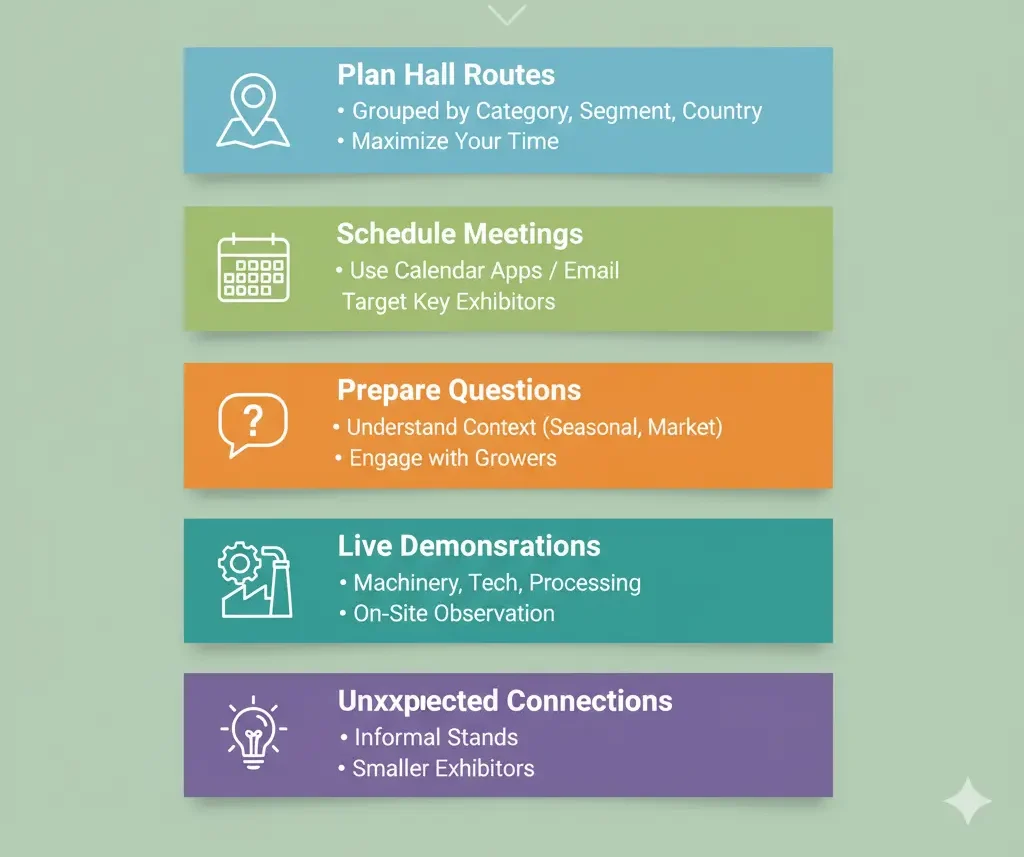
To make the most of the event:
-
Plan hall routes in advance.
Exhibitors are grouped by product category, supply segment, and country. -
Schedule meetings before arrival.
Many exhibitors use calendar-booking apps or email scheduling. -
Prepare questions for growers and exporters.
Suppliers value conversations with journalists who understand seasonal and market context. -
Allow time for live demonstrations.
Machinery, processing, and sorting technology areas tend to require on-site observation. -
Stay open to unexpected connections.
Some of the most valuable insights come from informal stands and smaller exhibitors.
What Makes FRUIT LOGISTICA Different From Other Food Trade Fairs
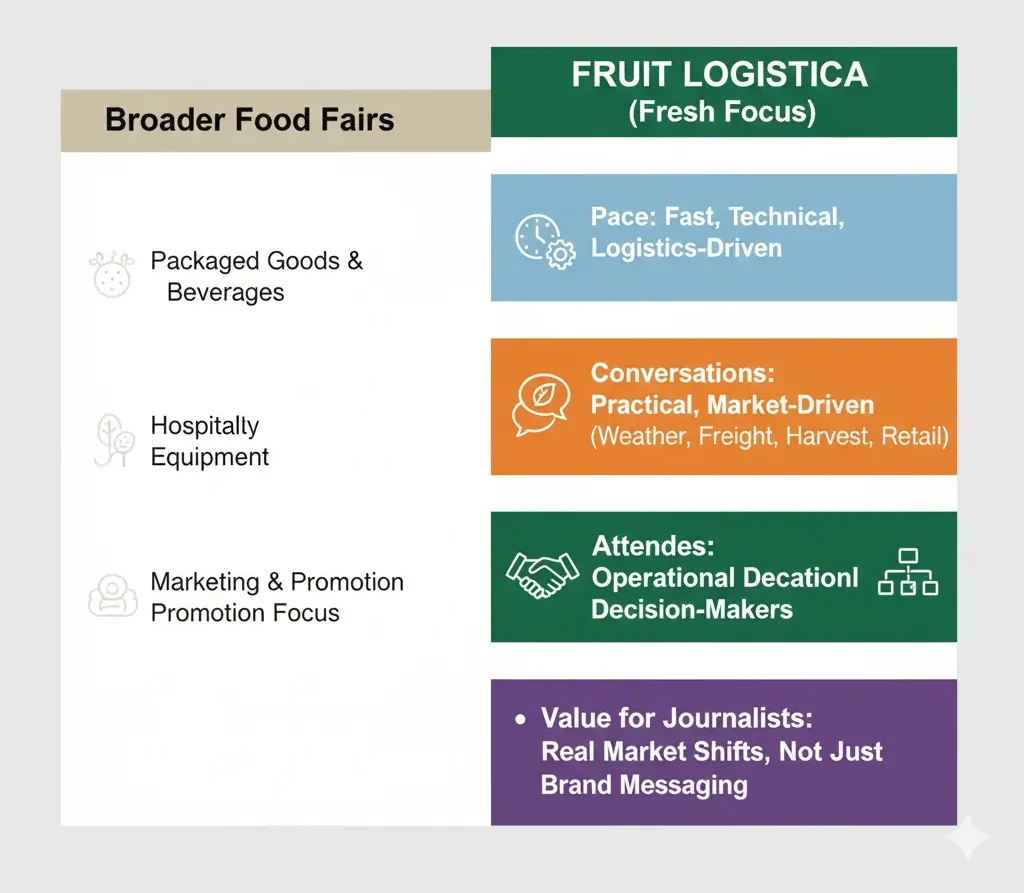
While broader food fairs cover packaged goods, beverages, or hospitality equipment, FRUIT LOGISTICA focuses narrowly on fresh. This focus means:
-
The pace is different — fast, technical, and logistics-driven.
-
Conversations are practical — about weather patterns, freight costs, harvest timing, and retail execution.
-
Attendees are operational decision-makers rather than purely marketing or promotional professionals.
This atmosphere makes the event particularly useful for industry journalists. Stories here are grounded in real market shifts, not just brand messaging.
Why This Matters: Going Into 2026
Fresh produce markets across regions are facing a combination of challenges and opportunities:
-
Climate variability requires more controlled growing environments.
-
Consumers continue to value freshness, taste, and natural ingredients.
-
Retailers balance pricing sensitivity with customer expectations for quality.
-
Logistics, fuel, and labor costs shape sourcing strategy.
-
Sustainability pressures contribute to packaging redesign and waste-reduction efforts.
FRUIT LOGISTICA 2026 is positioned to reflect how businesses are responding.
It is a checkpoint: a moment for the industry to evaluate how the latest season performed, what is changing in consumer demand, and what tools and partnerships will define the coming year.
Final Note
For media representatives planning to cover the event, the key first step is accreditation. Registration is now open; the process is entirely online, and digital badges will be issued in advance. No press badges will be created on-site. Early registration will support smoother planning and ensure access to the Media Center and exhibition halls.
FRUIT LOGISTICA 2026 will not simply be an exhibition. It will be a working environment where global fresh produce decision-makers gather to discuss the next steps for the sector — from growing to packaging to distribution to retail.
If your work involves fresh produce supply chains, you will find the conversations happening in Berlin directly relevant, practical, and future-shaping.