
The Baltic grocery landscape in 2026 is defined by a tension between two forces. One is regional self-reliance. The other is the arrival of high-tech Western European supply chain standards.
As inflation cycles stabilise across the Eurozone, Latvian retailers are shifting focus. They are moving from price-point defence to operational efficiency and sustainable sourcing.
This makes the 2026 trade calendar a critical window for FMCG brands and retail tech providers looking to enter the Baltic market.
The upcoming events in Riga are the main gateway for assessing these shifts in person.
Top Latvian Industry Events 2026
Riga Food 2026
Founded: 1996
Headquarters: Riga, Latvia (BT1 International Expo)
Core Operations: Multimodal trade fair covering food processing, packaging, and retail.
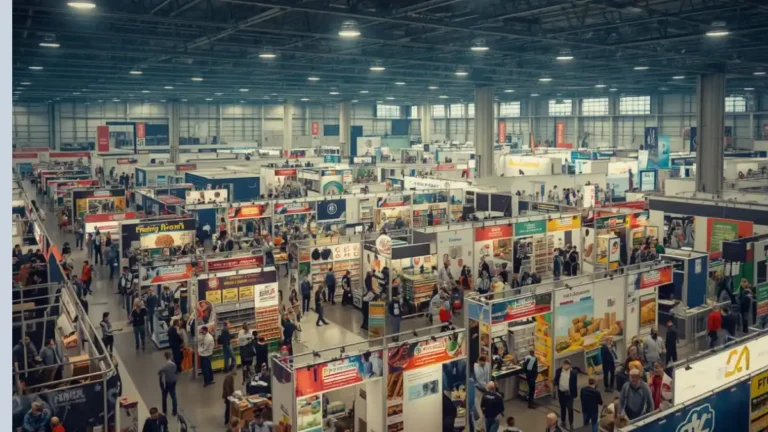
Riga Food remains the clear heavyweight of the Baltic trade circuit.
For 2026, the event is expected to host over 430 exhibitors from 30+ countries. There is a significant increase in national stands from Central Asia and Eastern Europe.
Operational Relevance
The fair’s 2026 edition is heavily weighted toward “Retail Technology” and “Logistics.” This reflects the region’s urgent need to automate warehouse operations amid rising labour costs.
For supermarket buyers, the “Latvian National Stand” provides a direct line to local agricultural producers.
This is crucial for those looking to meet growing consumer demand for domestic provenance and shorter supply chains.
Bellavita Expo Riga 2026
Strategic Focus: Premium Italian/Mediterranean F&B imports.
Market Position: Exclusive boutique pavilion within the broader Riga Food ecosystem.
Bellavita operates as a specialist “show-within-a-show.” It connects high-end Italian manufacturers with Baltic distributors.
In 2026, the focus has shifted toward shelf-stable gourmet products and organic wines. These segments have shown resilience in the Latvian mid-to-high-tier retail market despite broader economic swings.
Competitive Strength
Bellavita’s value lies in its pre-vetted exhibitor list.
For category managers at Baltic chains like Rimi or Maxima, it provides a condensed sourcing window for private label “premium” ranges.
These ranges continue to outperform standard brands in the delicatessen category.
Baltic Gastro Summit 2026
Event Type: B2B Knowledge & Innovation Conference.
Industry Context: Future-proofing the Horeca and Foodservice sectors.
This summit is scheduled for early May. It is less about physical product browsing and more about the “intellectual” supply chain.
It brings together stakeholders to discuss two main topics:
- The use of AI in kitchen management
- The evolving legislative landscape of EU food safety
Operational Relevance
This is the key 2026 date for high-level networking.
If Riga Food is where deals are signed, the Gastro Summit is where the strategic direction for the 2027 season is set.
It is particularly relevant for technology providers specialising in inventory management and predictive ordering systems.
Zero Waste Challenge 2026
Core Focus: Food loss reduction and sustainable packaging.
Operational Impact: Directly addresses EU Green Deal compliance.
This challenge is linked to the September trade fair. It has evolved from a student competition into a serious benchmark for professional foodservice efficiency.
Industry Context
The Packaging Association of Latvia is taking a lead role in 2026. The event showcases sustainable packaging materials that meet new EU multi-tier transparency requirements.
For grocery retailers, the “Zero Waste” movement is no longer a marketing gimmick. It is a logistical necessity to avoid non-compliance fines and optimise waste-related overheads.
Industry Outlook: The 2026 Baltic Pivot
The data from these events suggests that Latvia is becoming a testing ground for “Agile Sourcing.”
Retailers are moving away from massive, long-term contracts. Instead, they favour flexible, multi-tier supplier networks that can withstand geopolitical volatility.
Sustainability is now framed through the lens of “Operational Resilience.” Reducing waste isn’t just about the planet. It’s about protecting margins in a high-cost environment.
What Happens Next
- Q3 2026: Expected surge in retail tech investment following demonstrations at Riga Food.
- Q4 2026: Integration of Mediterranean premium lines sourced at Bellavita into Christmas retail catalogues.
- Long-term: Continued consolidation of the Baltic grocery market as smaller players struggle to match the tech-driven efficiency of the majors.
Frequently Asked Questions
What is the biggest food trade event in Latvia in 2026?
Riga Food 2026 is the main Baltic FMCG and retail hub. It runs on 10–12 Sept and is expected to host over 430 exhibitors from 30+ countries.
When is the Baltic Gastro Summit 2026?
The Baltic Gastro Summit takes place on 05–06 May. It is a B2B knowledge and innovation conference for the Horeca and foodservice sectors.
What is Bellavita Expo Riga?
Bellavita is a specialist “show-within-a-show” inside the Riga Food ecosystem. It connects high-end Italian manufacturers with Baltic distributors.
Conclusion
As the 2026 fiscal cycle progresses, the success of the Latvian FMCG sector will depend on one key factor. That is how well stakeholders navigate the new VAT reduction pilot for essential goods.
Market leaders like Rimi and Maxima are prioritising retail technology automation to offset labour shortages.
Yet the true competitive edge will likely come from localised supply chain efficiency and a rapid pivot toward private-label depth.
Some organisations will treat the Riga Food trade suite as a strategic intelligence exercise rather than a mere networking event. They will be best positioned to capture the shifting Baltic consumer wallet.
Editor’s Note: Data regarding specific exhibitor counts and final competition stages is based on current BT1 International and Bellavita Expo 2026 projections. As noted in previous briefings, certain standalone competitions such as the Wine & Dessert Championship may occur earlier in the Q1 cycle.