
Instacart is closing its Caper smart-shopping-cart business after deciding that retailer adoption has not grown quickly enough to justify further investment. The US grocery technology company confirmed the change on 26 October 2026, raising questions for supermarket partners that have recently introduced the equipment.
The decision is a significant shift for Instacart, which had promoted AI-powered shopping carts as a way to bring digital product recognition, basket tracking and personalised promotions into physical supermarket aisles.
In a company statement, Instacart said it had been reviewing both Caper’s performance and the investment needed to expand the business. Retailers, it said, are increasingly favouring solutions that can modernise stores on a larger scale.
The wind-down is expected to be substantially completed by the end of the second quarter of 2027. In a US regulatory filing, Instacart’s parent company Maplebear estimated pre-tax charges of $55 million to $80 million, mainly in the fourth quarter of 2026. These include contract termination, asset impairment and employee-related costs.
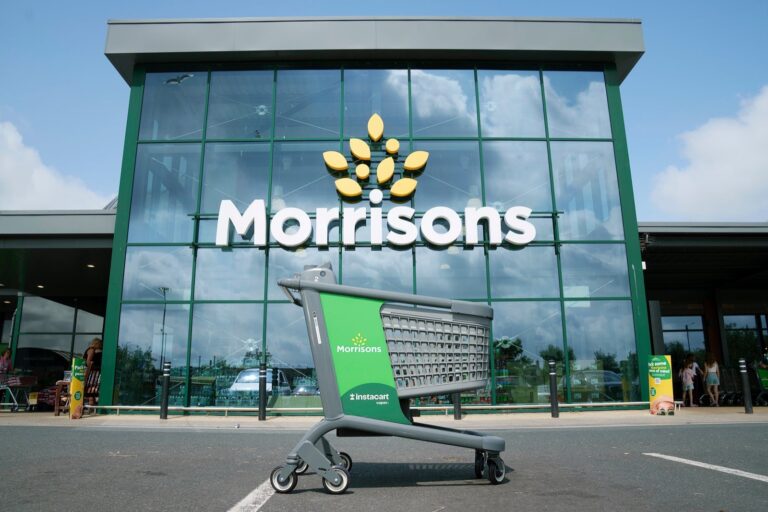
For British supermarket operators, the announcement has a direct connection to Morrisons. The retailer launched Caper smart trolleys at its Preston store on 28 July, becoming Instacart’s first UK supermarket partner for the technology.
Those trolleys allow shoppers to recognise and weigh groceries, view their running basket total and access Morrisons More Card offers from a screen on the trolley. The original launch was described as an in-store trial with scope for expansion.
Neither the 26 October Instacart announcement nor the regulatory filing establishes whether Morrisons’ existing trial will stop immediately, how long equipment will be supported or what happens to any prospective rollout. Those questions remain open for the supermarket and technology supplier.
The decision will also interest international supermarket groups evaluating the economics of smart carts. Cameras, sensors, screens, battery charging, maintenance and checkout integration can make hardware deployment more complex than rolling out software across existing stores. Instacart has not released detailed partner-by-partner adoption figures in its announcement.
Instacart intends to concentrate its in-store investment on software, data and artificial intelligence. Its continuing products include inventory intelligence, digital shopping tools and electronic shelf-label software, all designed to give retailers greater visibility of what is happening on shelves.
The development creates a timely point of comparison with other suppliers featured in GTN’s leading smart-cart companies for supermarkets overview, alongside the broader US supermarket technology market. For grocery buyers and store operators, the crucial distinction is between a promising customer experience and a technology that can be deployed and maintained profitably across hundreds of stores.
Instacart says it will work with retail and brand partners through the transition. Attention now turns to the practical arrangements for existing customers and the company’s next phase of supermarket software investment.
Editor’s Note: Based on Instacart’s 26 October company update, its US securities filing and the July 2026 Morrisons launch announcement. The key unresolved issue for UK retail readers is the future of the Preston trial and support for equipment already installed.