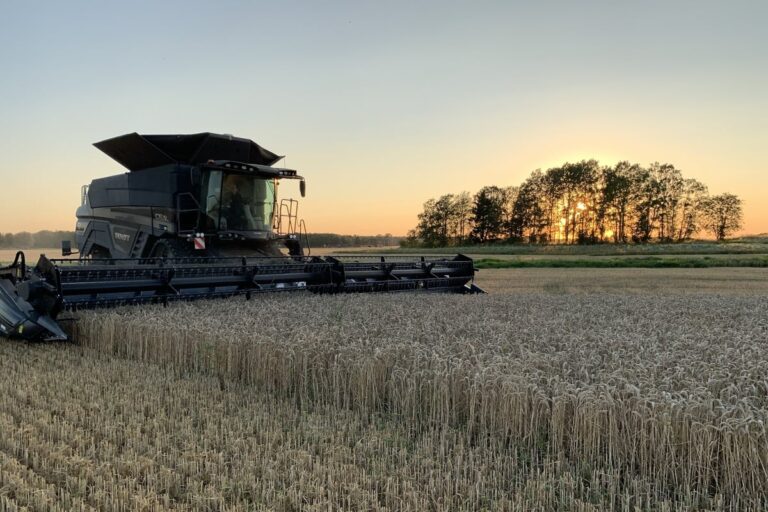

Lantmännen has warned that delayed fertiliser purchases could put spring 2027 deliveries under pressure, as Sweden’s grain harvest returns closer to normal after an exceptional 2025.
The Swedish agricultural cooperative issued its update on 20 November. It said the 2026 harvest was smaller than last year’s, with generally good quality but regional differences.
The immediate concern is the timing of next season’s inputs. At the start of November, the proportion of farmers who had bought fertiliser for spring was 10–15 percentage points below the usual level, according to Lantmännen.
That figure measures the share of farmers purchasing. It does not mean fertiliser volumes have fallen by 10–15%, or that a shortage has already occurred.
For Swedish food manufacturers, the update brings two separate issues into view: the quality of grain available now and the cost and timing of production inputs for the next crop.
Lantmännen said winter wheat had already been planted across large areas. It warned that concentrating fertiliser orders later in the season could create delivery difficulties ahead of spring fieldwork.
Input costs have also risen. The company cited Swedish figures showing fertiliser and soil-improver prices up 14.6% in September compared with a year earlier. Energy and fuel prices were 27.8% higher.
Those increases should not be read as equivalent forecasts for flour, bread or supermarket prices. Processing, energy contracts, transport, packaging and purchasing arrangements also shape the final cost.
The distinction matters across private-label food production. A smaller national harvest does not, by itself, establish that a particular supplier will lack grain meeting its specification.
Buyers assessing forward contracts therefore have more useful questions than harvest size alone: which quality grades are available, when deliveries are secured and how input-cost changes enter the agreed price.
The update is a warning about exposure ahead of the next growing season, rather than evidence of an immediate disruption to grocery supply. Fertiliser purchasing and delivery schedules will determine how much of that risk carries into spring 2027.