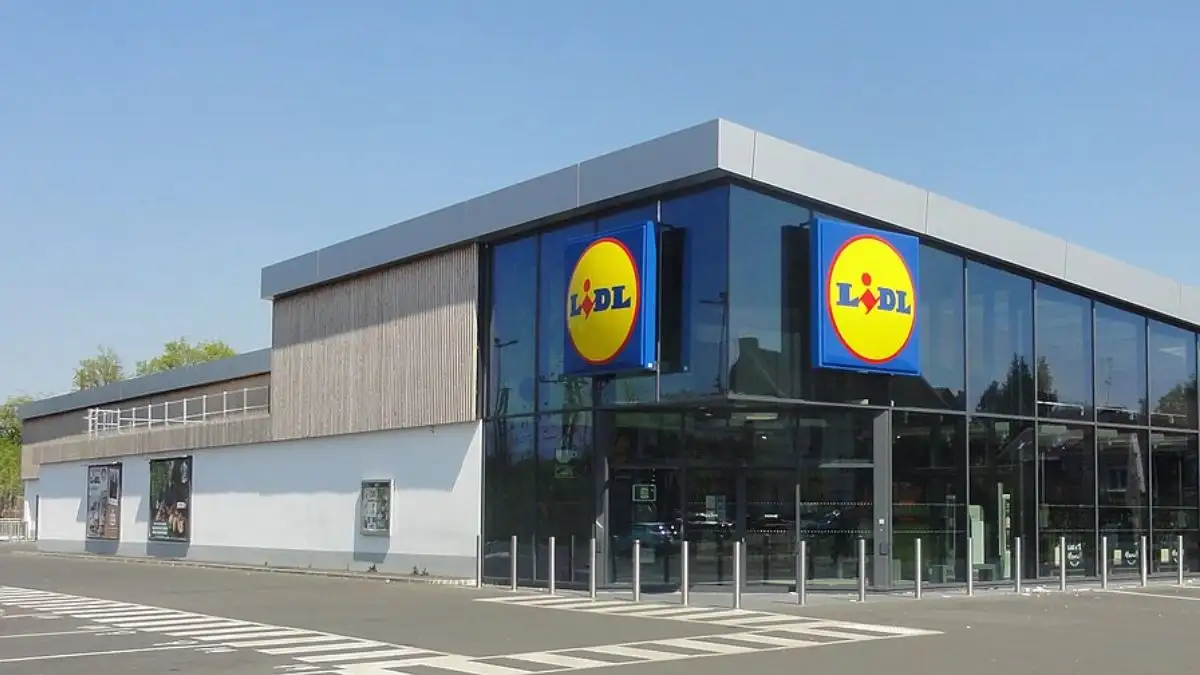

Berlin shoppers are seeing new anti-theft stickers on everyday fresh products in Lidl stores, with beef, salmon, and even sushi now appearing with yellow RF tags on the packaging.
Customers in several Berlin districts, including Prenzlauer Berg, have reported the labels on items such as beef fillet, entrecôte, and 400-gram packs of beef goulash priced at €7.99. Similar stickers are also appearing on Norwegian salmon fillets, sea bream, and frozen fish dishes like crispy fish and chips.
These tags carry the note “Secured item – remove label before heating” along with a padlock symbol. Until recently, such labels were mostly used for coffee brands like Nescafé or Dallmayr Prodomo, a common sight across many German discount stores.
A Lidl spokesperson confirmed to BILD that the retailer uses “industry-standard measures for theft prevention, such as individually securing certain items,” describing it as normal practice in German retail. The company did not comment on why goulash and fish have now been added to the list.
The yellow RF stickers contain a small metal coil. When the product is scanned at checkout, the coil is deactivated with a burst of high voltage. If it remains active, it triggers the alarm at the security gates.
These tags have appeared before in individual Lidl branches, previously limited to “high-quality or particularly vulnerable items,” according to earlier company statements.
Shoplifting remains a major challenge for German retailers. More than 400,000 cases were officially recorded last year. Although slightly lower than 2023, the total remains above pre-pandemic levels. The EHI Retail Institute estimates around 100,000 unreported incidents occur each day, contributing to almost €3 billion in losses in 2024. Losses caused by employees, suppliers, and service staff are estimated at more than €1 billion.
Some Berlin supermarkets have already removed coffee from open shelves due to increasing theft attempts, and discounters across the city are adjusting their security practices in response.
Editor’s Note: This article is based entirely on verified reporting from BILD and publicly available data from the EHI Retail Institute on shoplifting in Germany. No additional or invented information was added.