
Mars has received final, unconditional approval from the European Commission for its acquisition of Kellanova, clearing the last regulatory hurdle and allowing the deal to close on 11 December 2025.
The merger creates one of the biggest global players in snacking, with a portfolio that spans chocolate, salty snacks, breakfast occasions and on-the-go formats. It also adds new weight to the already shifting supplier landscape, something we covered in our recent report on supermarket suppliers UK 2025, where consolidation has become a defining theme for retailer negotiations.
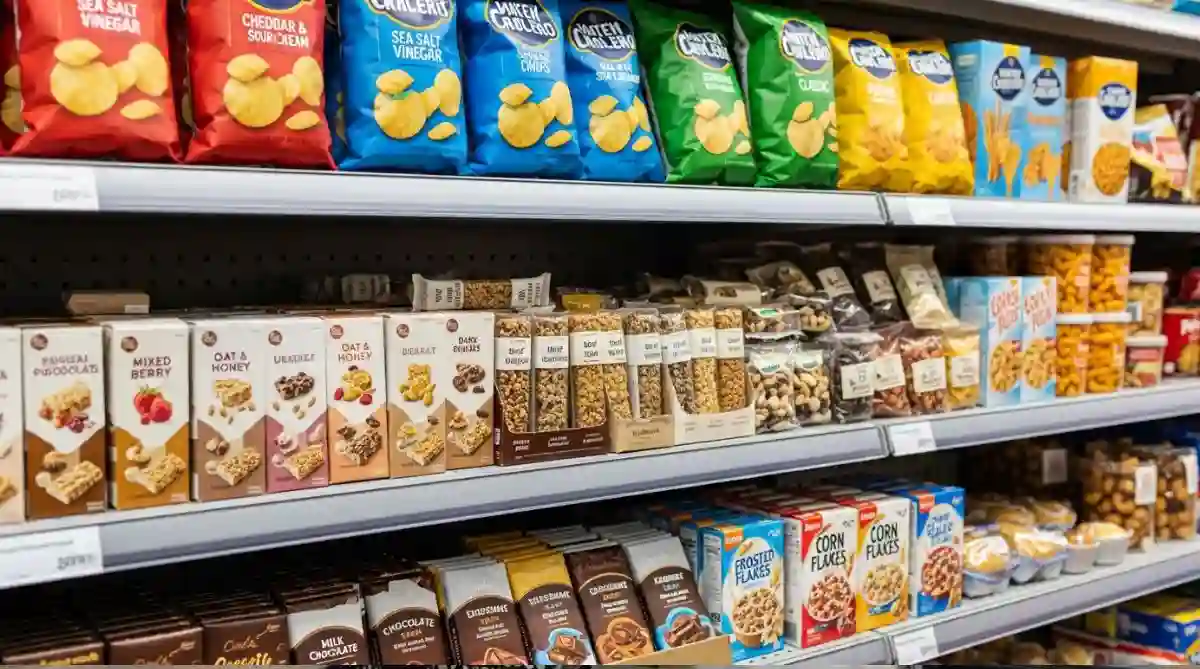
Mars expects the combined Snacking business to generate around $36 billion in annual revenue, supported by nine billion-dollar brands and production networks in more than 145 markets. Kellanova’s brands — Pringles, Cheez-It, Pop-Tarts, Rice Krispies Treats, RXBAR and Kellogg’s international cereals — will now sit alongside SNICKERS, M&M’S, TWIX, SKITTLES, EXTRA and KIND.
For retailers, the integration phase is the part to watch. Mars will need to align systems, data workflows and forecasting tools across two large global networks — an increasingly important capability as the industry leans more heavily on automation and predictive planning, a trend we explored in retail technology in supermarkets.
As a combined business, Mars Snacking will continue to be headquartered in Chicago. The group will operate 80 global production sites and more than 170 retail outlets, including Hotel Chocolat and M&M’S World.
Why This Deal Matters
The merger creates one of the largest snacking suppliers in the world, strengthening Mars’ influence across chocolate, salty snacks, breakfast occasions, food-to-go, and family favourites.
For supermarket buyers, this means:
1. A reshaped supplier landscape
A single supplier will now control a portfolio that touches nearly every aisle in modern grocery — confectionery, crisps, breakfast, bars, frozen snacks and more.
This directly affects retailer negotiations, ranging, and forecasting.
It also mirrors wider consolidation trends covered in our supermarket suppliers UK 2025 analysis, where global scale is becoming essential for margin resilience.
2. More power behind big brands
Pringles, Cheez-It and Pop-Tarts join brands like SNICKERS and M&M’S under one roof.
It gives Mars unmatched cross-category promotional power — something only a few global FMCG players can match.
3. A new technology and integration challenge
Uniting two global supply networks is complex.
Technology will play a major role, from forecasting to route-to-market systems, linking closely with the retail industry’s wider move toward automation and digital infrastructure (see our report on retail technology in supermarkets).
4. Sustainability expectations will rise
Mars has long pushed its environmental goals.
Kellanova brings its own sustainability commitments and packaging roadmaps.
Together, they could influence retailer standards and procurement expectations — a theme explored in our review of supermarket sustainability strategies.
5. Competitive pressure on other FMCG giants
Mondelēz, Nestlé, PepsiCo and Ferrero will all feel the impact.
Mars is gaining cereal, salty snacks and breakfast brands that open new shelf visibility and shopper occasions.
Supermarkets may see increased category investment as players defend or grow share.
What Happens Next
The deal is expected to close on 11 December, subject to standard conditions.
Integration begins immediately afterward.
Mars will focus on combining people, systems and supply chains while maintaining momentum across both portfolios.
The company has already signalled that Chicago will remain the global hub of its snacking operations.
For retailers, 2026 planning cycles will be the first to reflect the combined portfolio — especially in snacking resets, meal-solution displays, and impulse-category programming.
Competitors will be watching closely.
Mars Snacking will now operate at a scale that only a handful of FMCG companies can match, with reach across 145 markets and long-established relationships with supermarkets worldwide.
Editor’s Note: This article is based solely on official disclosures from Mars and Kellanova, including the December 8 regulatory announcement. No additional or unverified information has been added.