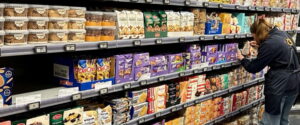

Canada’s METRO reported a 1.9% fall in food same-store sales for its fourth quarter as the effects of a six-month produce-distribution dispute weighed on its Quebec stores. Group sales rose 1.4% to C$5.18bn, helped by new stores, while pharmacy same-store sales grew 5.5%.
The Montreal-based retailer released the figures on 18 November for the 12 weeks ended 26 September 2026. Net profit fell 7% to C$201.9m. Adjusted net profit dropped 18% to C$201.8m, with adjusted diluted earnings per share down 14.2% to C$0.97.
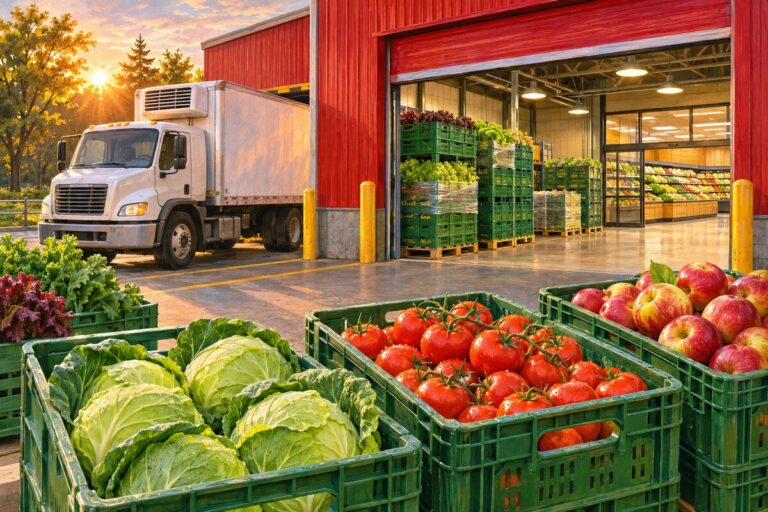
The labour conflict at METRO’s Laval produce distribution centre ended on 24 September. The company estimates its fourth-quarter cost at C$31m after tax, including lost profit and direct expenses. That impact remains in both the reported and adjusted earnings figures. The adjusted result should therefore not be read as a measure that strips out the dispute.
For Canada’s grocery retailers, the results show why restoring deliveries and restoring customer spending are separate tasks. METRO said service levels had returned to normal, but food same-store sales were still negative, though improving, after the first four weeks of fiscal 2027.
“Our focus is now on driving back customer traffic and volume to our stores,” chief executive Marc Giroux said.
METRO’s next expansion phase puts more weight behind discount grocery. It completed the first of ten planned Ontario Metro-to-Food Basics conversions during the fourth quarter. The remaining nine conversions and seven new discount stores are planned for fiscal 2027. Converting an existing supermarket changes its format; it does not add another location to the group’s total estate.
That distinction matters for suppliers assessing the opportunity. More discount outlets can change the balance of pack sizes, price points and promotional stock required across an existing store network. The planned conversions do not, by themselves, establish how much additional product METRO will buy.
Online food sales rose 3.3% in the quarter. The company expects changes to its e-commerce fulfilment model to be completed by the end of its first quarter. For online grocery, the questions are whether those changes improve availability and delivery economics while shoppers continue to seek value.
The next reporting period will provide a clearer test of the recovery. With Laval’s service restored, attention turns to whether food sales move back into growth and whether the discount conversions bring customers back without weakening profitability.