
Netherlands Packaging Rules now affect everyday commercial decisions across the Dutch market. They shape how much products cost to sell, how packaging is designed, and how early changes must be planned.
For companies selling packaged food and FMCG products, Packaging Rules are no longer a background compliance topic. They directly influence margins, pricing decisions, and long-term product strategy.
Any business placing packaged products on the Dutch market needs to understand how Netherlands Packaging Rules work in practice, because mistakes appear quickly in costs, redesign pressure, and retailer expectations.
The Dutch Packaging System Explained Simply
In the Netherlands, packaging is treated as a responsibility, not a side effect. When a product is sold, the packaging that comes with it must be accounted for.
Companies are required to report how much packaging they place on the market. This is measured by weight and by material. Each material is treated differently, which is why packaging choice matters.
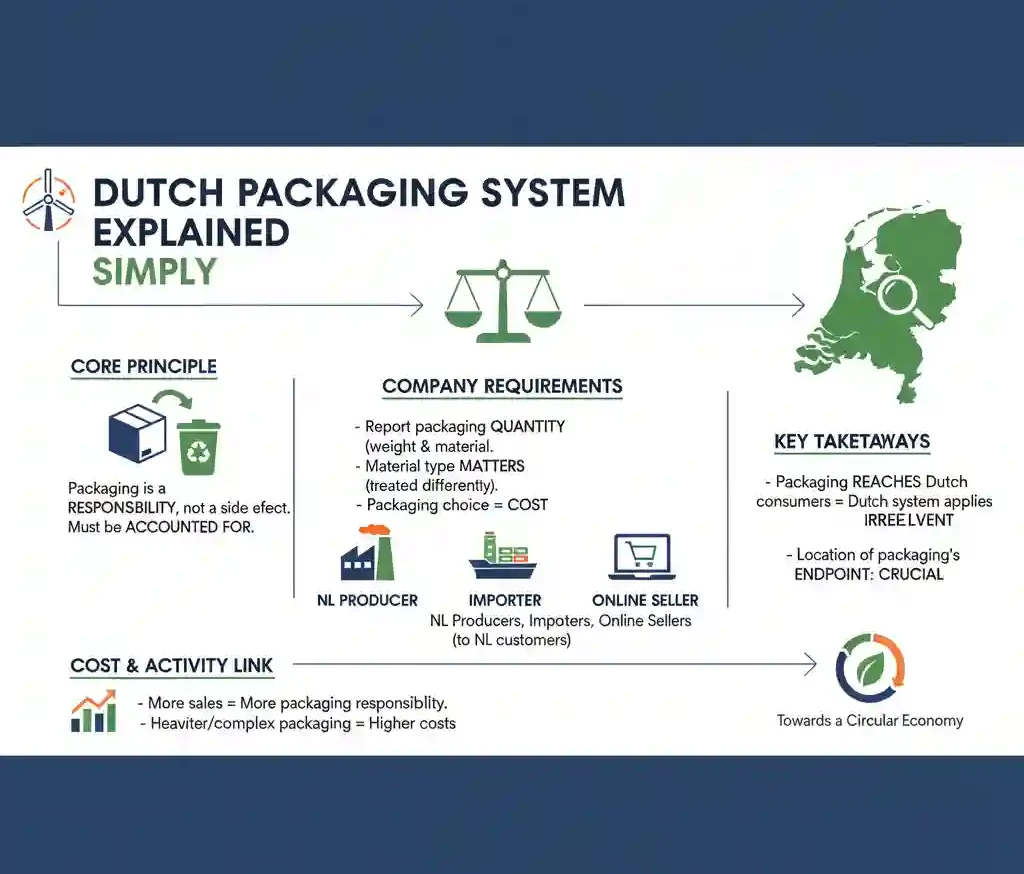
The system applies to different business models. A company that makes products in the Netherlands is responsible for its packaging. A company that imports packaged products into the Netherlands carries that responsibility instead. In some cases, a company selling directly online to Dutch customers also becomes responsible.
What matters is not where the company is based, but where the packaging ends up. If the packaging reaches Dutch consumers, it falls under the Dutch system.
This structure ensures that packaging costs are linked to real market activity. Products that sell more generate more packaging responsibility. Products with heavier or more complex packaging generate higher costs.
Because this process repeats every year, packaging decisions made once continue to have an effect. This is why Dutch packaging rules influence everyday commercial planning, not just compliance checks.
How Packaging Costs Are Felt In Real Business Terms
Packaging fees in the Netherlands are calculated by weight and material type. This means packaging is no longer a fixed background cost. It scales directly with volume.
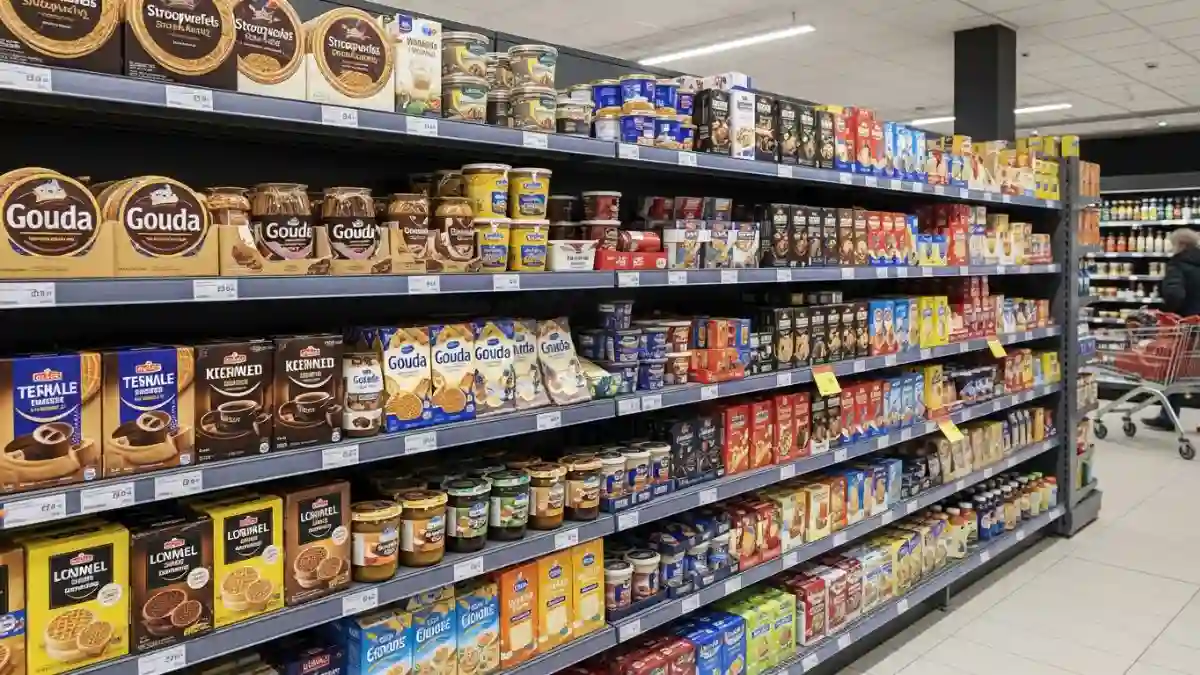
For high-volume SKUs sold through Netherlands supermarkets, small design choices matter. A slightly thicker film or heavier tray may seem minor, but across millions of units it becomes a recurring cost.
Because fees are charged every year, packaging decisions directly affect long-term margin.
Why Plastic Creates The Most Pressure
Plastic packaging carries the highest cost and the highest scrutiny in the Dutch system. Flexible films, rigid trays, and multi-layer plastic packs are all affected.
This matters because many Netherlands FMCG brands still rely heavily on plastic for shelf life, protection, and logistics efficiency. Snacks, bakery, frozen food, chilled meals, coffee, and pet food are common examples.
In practice, plastic is no longer just a packaging material. In the Netherlands, it is a commercial risk that must be actively managed.
Why Recyclability Now Changes Your Cost Base
The Dutch packaging system encourages packaging that fits existing recycling streams. Packaging that is easier to sort and recycle is treated more favourably than complex structures.
For businesses supplying Netherlands private label ranges, this has immediate impact. Retailers expect packaging that keeps compliance costs under control and avoids future redesign pressure.
Recyclability is now part of commercial decision-making, not just environmental reporting.
How EU Rules Change Dutch Packaging Decisions
Alongside national rules, EU-wide packaging regulation is reshaping decisions in the Netherlands. These rules focus on long-term design suitability, not just current legality.
For suppliers operating across multiple EU markets, the Netherlands often becomes the first place where changes are implemented. If a pack works in the Dutch system, it is more likely to remain acceptable elsewhere.
This is why many Netherlands FMCG brands are using the Dutch market as a reference point for wider European packaging strategy.
Why Pack Redesign Is Happening Earlier Than Before
Packaging redesign used to follow marketing refresh cycles. Today, it follows regulatory timelines and cost planning.
Packaging changes take time. Design work, supplier validation, testing, and retailer approval all add months. Waiting too long increases risk, especially when selling into large Netherlands supermarkets with strict compliance expectations.
As a result, packaging is being redesigned earlier, even if the existing pack is still technically allowed.
What Usually Changes In Dutch Packaging Redesigns
Most Dutch packaging redesigns are practical rather than dramatic. The focus is on simplification and efficiency.
Common changes include reducing plastic weight, removing unnecessary layers, standardising pack formats, and improving compatibility with recycling systems. In some cases, pack sizes are adjusted to improve packaging efficiency per unit sold.
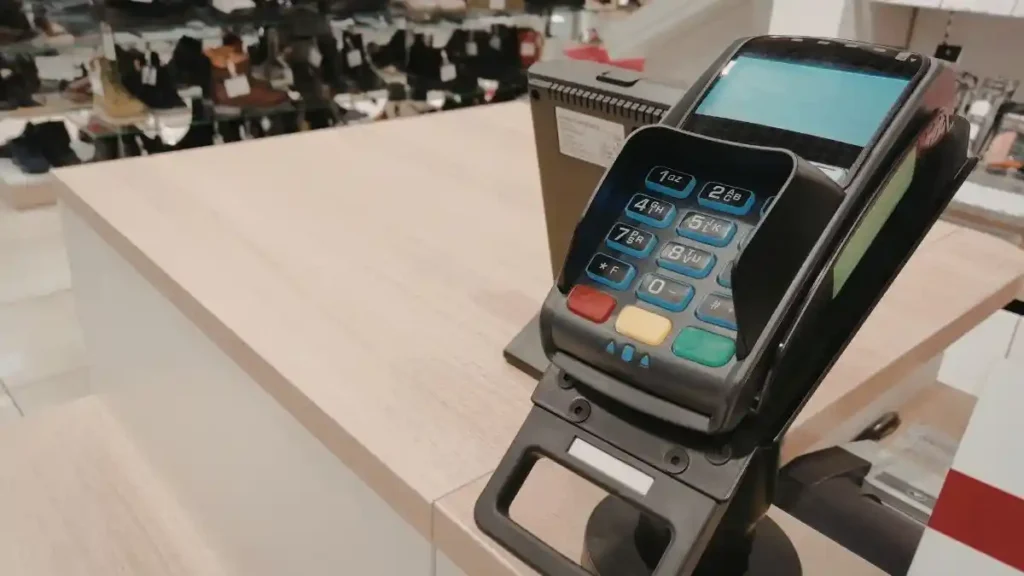
These changes often align closely with developments in Netherlands retail technology, where packaging, shelf pricing, and promotions are increasingly linked.
Why Private Label Feels The Impact First
Private label packaging reacts fastest to regulatory and cost pressure. Retailers control specifications and feel margin impact directly.
In Netherlands private label ranges, packaging changes often happen earlier than in branded lines. Retailers push for simpler, compliant designs that can scale across many SKUs.
For suppliers, private label customers usually set the pace for packaging change in the Dutch market.
How A-Brands Face A Different Challenge
Branded suppliers face more complexity. They operate across many countries and rely on consistent branding, which makes rapid change harder.
However, many Netherlands FMCG brands now start packaging redesign programmes in the Netherlands before rolling them out across Europe. The Dutch market acts as a pressure test for future-ready packaging.
How Packaging Now Influences Pricing And Promotion
Packaging costs influence pricing decisions more directly than before. When packaging costs rise, shelf prices, promotions, and pack sizes often need adjustment.
This is where packaging intersects with Netherlands retail technology, especially electronic shelf labels and dynamic pricing. Packaging changes increasingly trigger pricing reviews rather than being treated as separate issues.
What Dutch Retailers Expect From Suppliers Today
Retailers expect suppliers to understand their packaging exposure clearly. That includes knowing which SKUs carry the highest packaging cost and which packs may face redesign pressure.
Buyers in Netherlands supermarkets expect early communication and clear plans. Last-minute changes create supply risk, which retailers actively try to avoid.
Packaging is now a standard commercial topic in buyer–supplier discussions.
Checklist For Selling Packaged Products In The Netherlands
If you sell packaged products in the Netherlands, you should be able to answer these questions clearly.
- Do you know who is legally responsible for packaging compliance?
- Do you track packaging weight by material type?
- Do you understand which SKUs carry the highest packaging cost?
- Do you have a clear redesign roadmap?
- Are your Netherlands private label packs aligned with retailer expectations?
- Are your branded packs suitable for long-term use across EU markets?
If any of these are unclear, packaging risk already exists.
What Happens Next In The Netherlands
Packaging rules in the Netherlands will continue to tighten. Costs will remain visible, and design requirements will increasingly shape commercial decisions.
The companies that perform best treat packaging as part of normal planning. They redesign early, simplify where possible, and align packaging, pricing, and Netherlands retail technology systems.
In the Dutch market, packaging is no longer a side issue. It is part of how products compete and survive on the shelf.