
Purina is supporting 110 UK wheat farmers across 8,000 hectares as the pet-food group tests regenerative farming methods following a difficult 2026 cereal season.
The programme, delivered through Landscape Enterprise Networks, provides funding, technical expertise and practical support for measures including cover crops, crop rotation, reduced soil disturbance, nutrient management and tree and hedgerow planting.
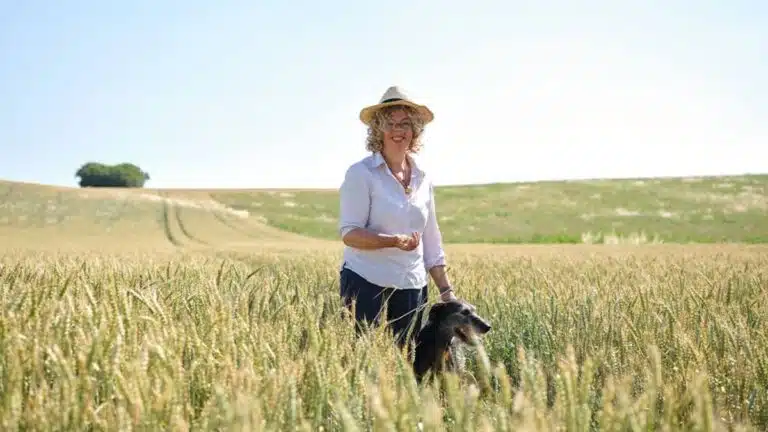
The announcement follows a hot, dry growing season that has put pressure on UK cereal yields. Bedfordshire farmer and agronomist Claire Donkin, who participates in the programme, said her wheat yield was around 30% below its usual level.
That figure relates to Donkin Farm rather than the 110-farm programme as a whole. Purina has not published an average yield result for participating farms, so the programme should be assessed as a long-term resilience initiative rather than evidence of an immediate recovery in output.
Cereals and vegetable proteins are used in many Purina pet-food recipes, making soil condition, input costs and crop quality directly relevant to ingredient availability. For supermarket and pet-food buyers, the commercial issue is whether farm-level changes can improve supply continuity without weakening specifications or raising costs beyond what customers will accept.
Purina UK corporate affairs and sustainability director Claire Robinson-Davies said: “This is not about promising an instant answer to difficult weather.”
The company said more than 12,000 trees have been planted through its UK work. Across Europe, over 630 farmers and 37,000 hectares are involved in Purina-supported regenerative agriculture programmes.
By the end of 2025, 29% of the cereals and vegetable proteins used in Purina pet food across Europe came from farmers adopting regenerative practices. Purina aims to raise that share to 50% by 2030.
The 29% figure is measured by volume using a mass-balance approach. This allows qualifying and conventional ingredients to be combined within the supply chain while certified volumes are tracked administratively, rather than guaranteeing that every finished pack contains physically segregated grain from a named participating farm.
That distinction matters for buyers comparing sustainability claims. Procurement teams should establish which farm practices are required, how adoption is verified, what baseline is used and whether improvements in soil health, fertiliser use, water retention and yield stability are measured over several seasons.
They should also test the effect on core cereal specifications. Wheat used in pet-food production must still meet agreed requirements for moisture, protein, contaminants and mycotoxin risk, while millers and manufacturers need predictable delivery windows and sufficient contracted volume.
Purina’s programme is commercially relevant to the suppliers profiled in GTN’s guide to private-label pet-food manufacturers in Europe. The company also appears in GTN’s overview of leading UK FMCG companies, reflecting its place in the wider grocery supply chain.
Purina commissioned research among 100 UK farmers between 7 and 14 September. It found 87% were more open than five years ago to changing practices to improve soil health and resilience to extreme weather. The small sample provides a directional indicator rather than a full measure of UK farming sentiment.
The next meaningful test will be whether Purina can show multi-year farm data alongside progress towards its 50% sourcing target. Buyers will be looking for evidence that adoption translates into reliable ingredient volumes, stable quality and credible cost sharing across the supermarket supply chain.
Editor’s note: This article is based on Purina UK’s announcement published on 23 September 2026. GTN added procurement and supply-chain analysis. The 30% yield decline applies to Donkin Farm, not the programme average.