
Co-op reported a £45m underlying operating loss for the first half of 2026, despite growth in food sales as the group invested in prices and promotions.
The results, released on 23 September, cover the six months to 4 July. The group’s loss widened from £32m a year earlier, while revenue rose 2.4% to £5.6bn.
However, Co-op said £11m of the difference reflected accounting treatment, leaving the underlying operating result broadly flat on a comparable basis. The headline deterioration should therefore not be read entirely as a decline in trading performance.
Food retail revenue increased 2.6% to £3.7bn, although the division recorded an £18m underlying operating loss. That is separate from the £45m loss reported across the group.
Co-op invested around one percentage point of margin in its customer proposition, including member prices matching Aldi on 135 essentials. It also faced £78m of additional cost pressures, including the annualised impact of higher employer National Insurance contributions.
The recovery follows the 2025 cyberattack, which disrupted the comparative trading period. Co-op said transactions had returned to pre-attack levels after investment in offers aimed at rebuilding trade and footfall. This makes the recovery of existing business an important part of the sales-growth picture.
Kate Allum became interim chief executive on 30 March following Shirine Khoury-Haq’s departure. She is leading the recovery while the group searches for a permanent successor.
Allum said: “Speaking now in the second half, we’re seeing bigger baskets and more transactions.”
For suppliers, the commercial question is whether stronger demand can support profitable repeat purchases after promotional funding, distribution and in-store costs are included. Higher sales alone do not establish that a particular promotion is generating a sustainable return.
Co-op’s position among the UK’s largest supermarket businesses gives these decisions relevance across convenience-focused grocery categories. Smaller shopping missions can favour different pack sizes and promotional mechanics from a weekly supermarket shop.
A useful supplier discussion would separate volume gained from existing shoppers, additional shopping trips and sales transferred from other products. Availability during an offer also matters: promotional investment cannot deliver its intended return when the product is missing from the shelf.
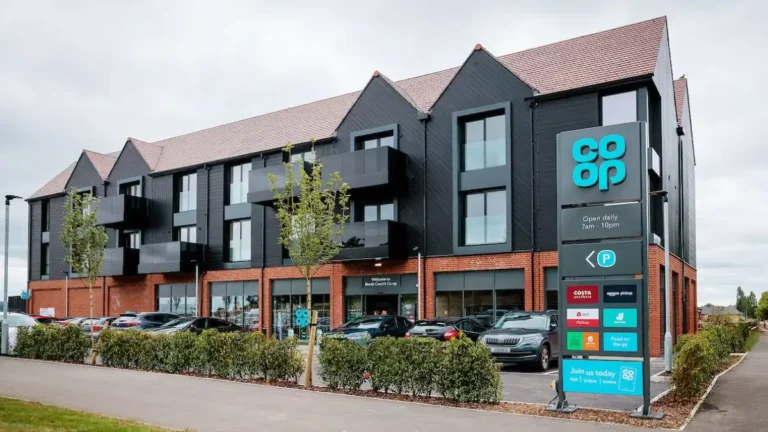
Physical investment also continued. Co-op reported 42 store openings during the half, a figure that includes refurbished shops, new sites, franchise locations and sustainability-focused formats. It should not be interpreted as 42 net additional permanent stores. Its summer presence also included festival pop-ups at Latitude and Download.
For suppliers, this mix creates different opportunities: a refurbished neighbourhood shop, a franchise outlet and a temporary festival store require different ranges, delivery plans and stock commitments.
Quick-commerce sales rose 24%, with the service reaching 90% of Co-op stores. For brands supplying these channels, stock accuracy and reliable picking become part of the customer proposition alongside price.
The practical task is to identify which products work for immediate consumption, meal completion or urgent household purchases, then test whether order growth remains commercially worthwhile after fulfilment costs. The results do not disclose profitability for individual products or delivery orders.
Wholesale and franchise revenue was flat at £683m, with a £13m underlying operating loss. For manufacturers comparing European grocery wholesale routes, this underlines the importance of understanding service costs and the economics of reaching independent stores, rather than judging an account only by its sales value.
The results do not announce a general change to supplier payment terms or buying agreements. Procurement teams should distinguish the group’s financial performance from any specific commercial proposal received by their business.
Expansion also faces regulatory scrutiny. In its 15 September Phase 1 decision on the Southern Co-op acquisition, the Competition and Markets Authority identified competition concerns and said it would refer the deal for a Phase 2 investigation unless acceptable undertakings were offered. Its published case record does not yet confirm that a Phase 2 investigation has begun.
Co-op expects a stronger second half. For supermarket suppliers, the next test is whether recovering shopping activity translates into better margins and dependable availability while the retailer continues to compete on value.
Editor’s note: Figures cover the six months to 4 July 2026. Losses quoted are underlying operating measures.