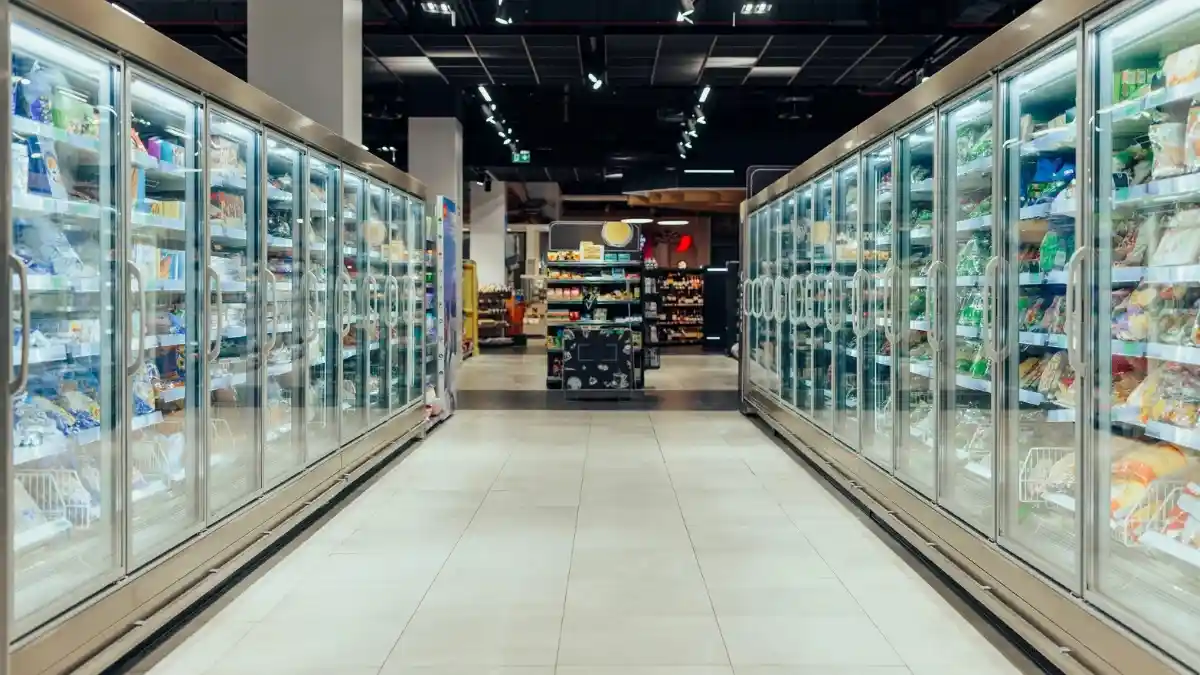

Sweden FMCG industry operates inside one of Europe’s most concentrated grocery markets.
ICA, Axfood and Coop collectively control close to 85–90% of grocery sales. Lidl has now moved past 6% share, expanding through a disciplined private-label model.
This level of retail concentration shapes supplier negotiations, margin structures and category strategy more aggressively than in most EU markets.
Within that environment, Sweden’s domestic FMCG companies rely on vertical integration, cooperative ownership models, strong manufacturing bases and disciplined capital allocation.
The ranking below includes only companies headquartered in Sweden or operating with Sweden as a primary production base. All revenue figures reflect FY2024 final reports.
Revenue Ranking – Swedish FMCG Companies (FY2024)
| Rank | Company | FY2024 Revenue | Currency | Core Category |
|---|---|---|---|---|
| 1 | Essity | SEK 146 bn | SEK | Hygiene |
| 2 | Lantmännen | SEK 71.2 bn | SEK | Food & Agriculture |
| 3 | Arla Foods (Sweden approx.) | ~SEK 18 bn | SEK | Dairy |
| 4 | Oatly | SEK 8.8–9.0 bn | SEK | Plant-Based |
| 5 | Cloetta | SEK 8.3 bn | SEK | Confectionery |
| 6 | Orkla Foods Sverige | >SEK 5 bn | SEK | Branded Foods |
| 7 | Spendrups | SEK 4.8 bn | SEK | Beverages |
| 8 | Pågen | SEK 3.8 bn | SEK | Bakery |
| 9 | Atria Sweden | ~SEK 4–5 bn est. ops | SEK | Meat |
| 10 | Kavli Sverige | Nordic subsidiary | — | Dairy & Spreads |
Figures based on FY2024 reports and disclosed Swedish operational data.
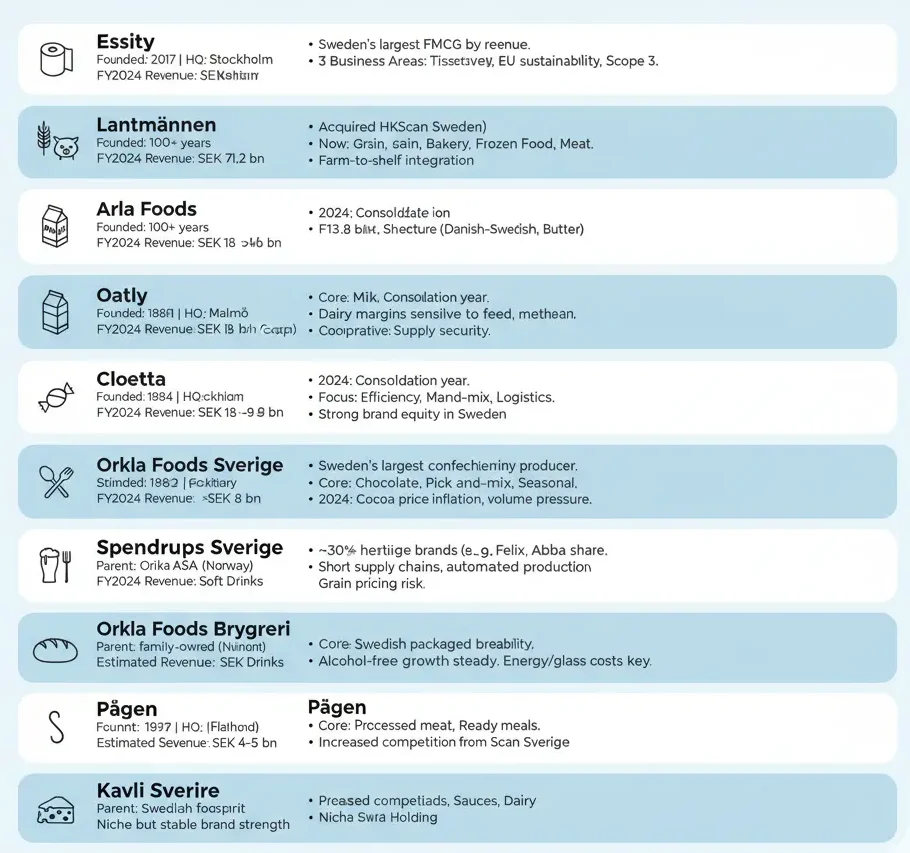
1. Essity
Founded: 2017 (spin-off from SCA)
Headquarters: Stockholm
FY2024 revenue: SEK 146 billion
Essity remains Sweden’s largest FMCG company by revenue, even after portfolio adjustments and divestments in Asia.
The company operates across three main business areas:
-
Consumer tissue
-
Personal care
-
Professional hygiene
Swedish retail remains an important market, but Essity’s scale is global.
What changed in 2024–2025:
-
Increased focus on margin recovery after inflation-driven cost spikes.
-
Intensified reporting under EU sustainability frameworks.
-
Scope 3 emissions accounting became a major operational priority.
Essity’s structural advantage lies in integrated pulp sourcing and global manufacturing density. Energy pricing remains a key variable.
2. Lantmännen
Founded: Cooperative roots over 100 years
Headquarters: Stockholm
FY2024 revenue: SEK 71.2 billion
The defining event in 2024 was Lantmännen’s acquisition of HKScan’s Swedish operations, now branded as Scan Sverige.
This acquisition reshaped the company.
Lantmännen is no longer primarily a grain cooperative. It now controls:
-
Grain and milling
-
Bakery and breakfast brands
-
Frozen food
-
Meat and protein supply
Vertical integration from farm to finished retail product gives the cooperative significant pricing resilience.
Few European FMCG groups combine grain and protein under one structure at this scale.
3. Arla Foods
Founded: 1881
Structure: Danish-Swedish dairy cooperative
Group FY2024 revenue: €13.8 billion
Swedish operations: approx. SEK 18 billion
Arla’s milk pool remains structurally embedded in Swedish food supply.
Core categories:
-
Fresh milk
-
Cheese
-
Yogurt
-
Butter
-
Dairy ingredients
Dairy margins remain exposed to feed, fertilizer and methane regulation pressures.
Scope 3 reporting significantly expanded compliance burdens in 2025.
Arla’s cooperative model gives supply security that private dairy operators cannot easily replicate.
4. Oatly
Founded: 1994
Headquarters: Malmö
FY2024 revenue: SEK 8.8–9.0 billion
After aggressive expansion earlier in the decade, 2024 marked a consolidation year.
Focus areas:
-
Factory utilization efficiency
-
Margin stabilization
-
Logistics optimization
Plant-based consumption in Sweden has normalized after peak growth.
Oatly’s brand equity remains strong domestically, though profitability discipline has become central to strategy.
5. Cloetta
Founded: 1862
Headquarters: Stockholm
FY2024 revenue: SEK 8.3 billion
Cloetta remains Sweden’s largest domestic confectionery producer.
Core exposure:
-
Chocolate
-
Pick-and-mix candy
-
Seasonal formats
2024 brought significant cocoa price inflation.
Volume pressure in pick-and-mix segments reduced operating leverage.
Pack-size optimization and selective price increases became necessary to protect margins.
Confectionery remains highly commodity-sensitive.
6. Orkla Foods Sverige
Parent: Orkla ASA (Norway)
Estimated Swedish revenue: Exceeds SEK 5 billion
Orkla Foods Sverige controls several established Swedish heritage brands.
Core segments:
-
Condiments
-
Ready meals
-
Canned fish
-
Frozen products
Though foreign-owned, its Swedish unit plays a significant role in national grocery supply.
Brand recognition and local production provide shelf resilience.
7. Spendrups Bryggeri
Founded: 1897
Headquarters: Stockholm
FY2024 revenue: SEK 4.8 billion
Largest family-owned brewery in the Nordics.
Core segments:
-
Beer
-
Mineral water
-
Soft drinks
Alcohol-free beer growth remains steady.
Energy pricing and glass packaging costs are primary margin drivers.
Domestic production remains central to competitiveness.
8. Pågen
Founded: 1878
Headquarters: Malmö
FY2024 revenue: SEK 3.8 billion
Estimated 30%+ share of packaged bread in Sweden.
Short supply chains and automated production facilities give structural cost advantages.
Grain pricing volatility remains the largest risk factor.
Bakery remains a high-frequency retail category.
9. Atria Sweden
Parent: Atria Group (Finland)
Swedish operations estimated at SEK 4–5 billion
Core categories:
-
Processed meat
-
Ready meals
Protein pricing volatility remains the largest variable.
Competition from Lantmännen/Scan integration increases structural pressure.
Retail negotiations remain tight due to meat’s price sensitivity.
10. Kavli Sverige
Part of Kavli Holding (Norwegian ownership) with strong Swedish footprint.
Core categories:
-
Cheese spreads
-
Sauces
-
Dairy products
Brand strength remains niche but stable.
Operational footprint is smaller than others on this list but relevant within spreads and dairy segments.
Market Structure Impact
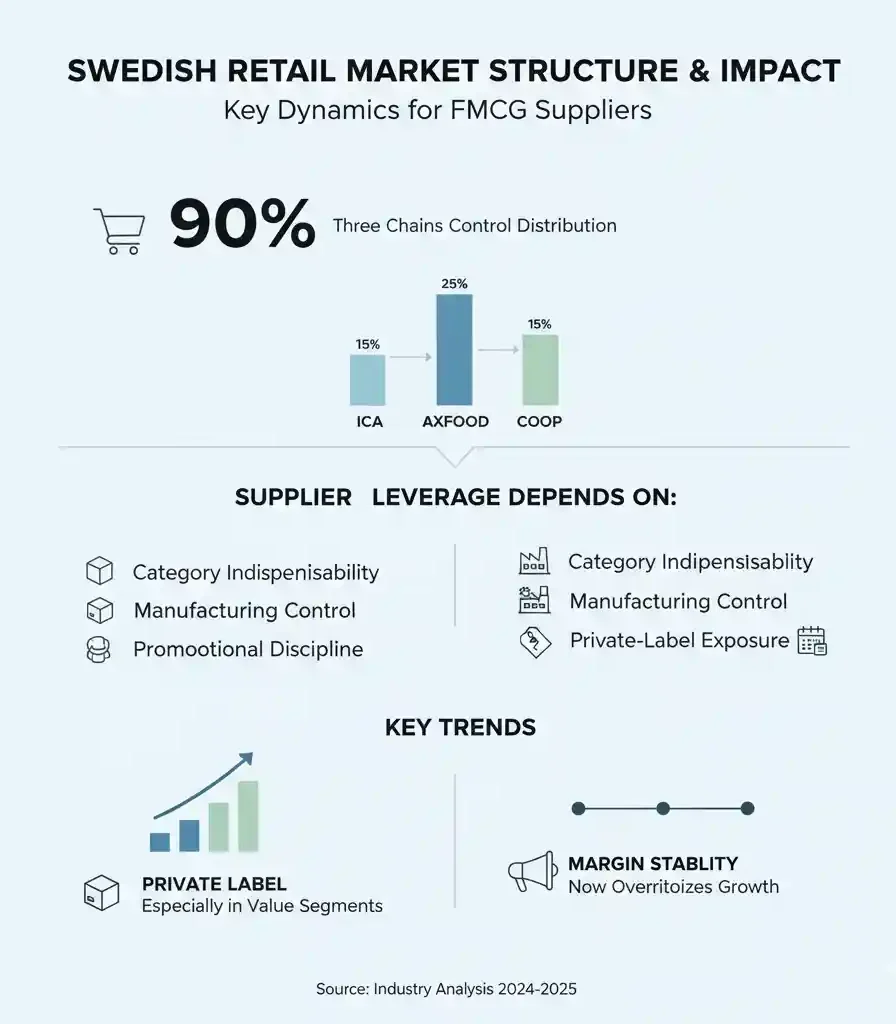
Sweden’s retail concentration remains the dominant structural force.
When three chains control nearly 90% of distribution, supplier leverage depends on:
-
Category indispensability
-
Manufacturing control
-
Private-label exposure
-
Promotional discipline
Private label continues expanding, especially in value segments.
Margin stability now outweighs growth expansion for many domestic FMCG companies.
Structural Trends Defining 2026
-
Protein consolidation through Lantmännen.
-
Sustainability compliance as financial obligation.
-
Energy resilience as competitive differentiator.
-
Margin discipline replacing volume-led growth.
Conclusion
Sweden FMCG sector remains anchored in cooperative agriculture, domestic production, and tightly managed cost structures.
Retail concentration continues to define the playing field. With ICA, Axfood and Coop controlling the majority of distribution, negotiation power stays firmly on the retail side. That reality shapes pricing, promotions and product mix across every category.
FY2024 reinforced a clear pattern. Growth was not driven by expansion, but by discipline.
Lantmännen strengthened its protein position through Scan Sverige. Essity focused on margin recovery after portfolio changes. Arla managed dairy volatility while adapting to stricter sustainability reporting. Cloetta and Oatly adjusted to commodity pressure and moderated demand.
Energy, packaging and Scope 3 reporting are no longer side issues. They are financial line items that directly influence capital decisions.
Heading into 2026, the structure of the market is unlikely to shift dramatically. What will matter is operational control — from sourcing to production to logistics efficiency.
In a highly concentrated retail system, resilience remains the competitive advantage.
Editor’s Note: This article is based on publicly available FY2024 company annual reports and operational disclosures as of February 2026. Revenue figures are presented in reported currencies. No currency conversions have been applied.