
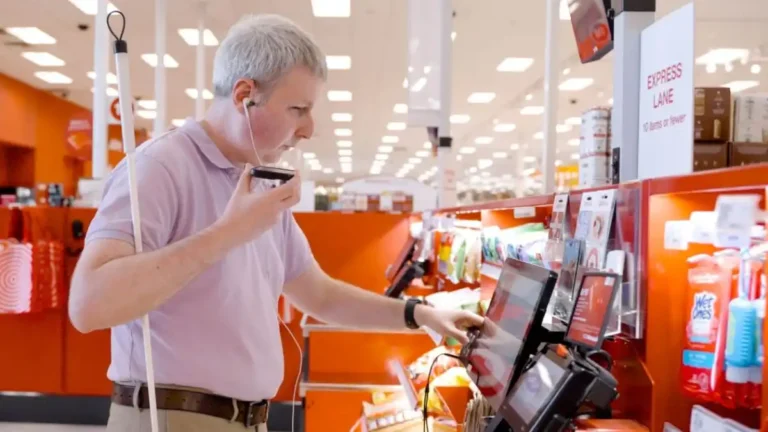

Target has outlined how it is embedding inclusive design across its stores, products and digital platforms, reinforcing accessibility as a core part of the retailer’s customer experience strategy.
At a glance
- Target has reaffirmed accessibility as a core element of its retail strategy.
- Accessible self-checkout features support shoppers with visual and motor disabilities.
- Aira visual interpretation services remain available in stores and online.
- Adaptive apparel and sensory-friendly products continue to expand the retailer’s assortment.
- Packaging guidelines developed with the Arthritis Foundation support easier-to-use packaging.
- Inclusive merchandising and store design aim to improve navigation and shopping confidence.
The US retailer said its approach integrates accessibility into product development, merchandising, store environments and digital services to help shoppers of different ages, abilities and backgrounds navigate its stores and online channels more independently.
Among the latest accessibility features highlighted by Target are enhanced self-checkout systems designed to support guests who are blind, have low vision or have motor disabilities. The systems include Braille and high-contrast button icons, headphone jacks with adjustable volume, physical navigation buttons, dedicated information keys and custom tactile controllers.
Target also continues to offer the Aira service across its stores and website. Through the Aira mobile app, shoppers who are blind or have low vision can connect with trained visual interpreters for assistance with store navigation, locating products, reading packaging and shopping online.
The retailer’s accessibility programme also extends to its product assortment. Target said it offers adaptive apparel and accessories featuring accessible closures, sensory-friendly fabrics, abdominal access openings and easy-on designs. Selected products also include softer materials, flat seams and tagless construction to improve comfort for people with sensory sensitivities.
Packaging remains another focus area. Target said its packaging team worked with the Arthritis Foundation to develop Ease of Use packaging guidelines that support more accessible packaging design. The guidance has also been shared more broadly to encourage wider adoption of accessible packaging practices across the industry.
One example highlighted by the retailer is its Figmint kitchenware range, which was developed with input from occupational therapists to incorporate easy-open tabs, exposed grips and handles that make products easier to lift, carry and open.
Beyond products, Target said inclusive design principles influence store layouts, merchandising and wayfinding. The company aims to make products easier to locate through clearer navigation, intuitive merchandising and accessible packaging while ensuring store environments remain welcoming for a broad range of shoppers.
The accessibility strategy also extends to Target’s internal product development processes, with cross-functional teams and internal design resources helping embed inclusive design practices throughout the business.
For grocery and mass retailers, accessible store design is becoming an increasingly important part of customer experience strategies. Investments in inclusive checkout technology, clearer signage, adaptive products and accessible packaging can improve shopping convenience while helping retailers serve a broader customer base.
What is inclusive retail design?
Inclusive retail design is the practice of creating stores, products and digital experiences that are accessible and usable for people with different abilities, ages and needs. It typically includes accessible technology, intuitive store layouts, adaptive products, clear signage and packaging that is easier to open and understand.
What happens next?
Target is expected to continue integrating inclusive design into future store developments, product innovation and digital services. As accessibility becomes a greater focus across the retail industry, these initiatives are likely to influence broader US retail technology trends, encouraging supermarket operators and retailers to invest in more accessible checkout systems, digital tools and store environments that improve the shopping experience for a wider range of customers.
Editor’s note: Information for this article is based on Target’s official newsroom update outlining the company’s inclusive design, accessibility, merchandising, packaging and customer experience initiatives published on 8 July 2026.