
Every ranking tells a different story.
When we look at customer satisfaction, stores like Trader Joe’s, Publix, and H-E-B are the winners. But when we look at total sales, large companies like Walmart, Costco, and Kroger lead the way.
These stores are the stars of the top 10 grocery stores in the US. This list also includes major names like Albertsons, Target, and Amazon. Even regional favorites like Wegmans and Market Basket prove that customer loyalty is often more powerful than expensive advertising.
Together, these large chains account for nearly 70% of all grocery sales in the United States. Even though their business styles are very different, they all have the same goal: they want customers to keep coming back in a world where loyalty is harder than ever to win.
Walmart – scale, price, and omnichannel power
Walmart is the biggest food seller in America by a long shot. For most people, it isn’t just a supermarket—it’s the “go-to” place for almost everything they need.
With thousands of locations and a very fast online pickup service, Walmart stays at the number one spot on the top 10 grocery stores in the US for 2025. People shop there because it is easy to find and easy on the wallet.
Walmart stays successful because it is consistent. You can always count on low prices, a huge variety of store-brand items, and a website that makes shopping quick. Their biggest goal right now is keeping those prices low while still making a profit, especially since cheaper stores like ALDI are growing fast.
Costco – the membership powerhouse
Costco is a store that builds its whole business on loyalty. Instead of just walking in, shoppers pay a yearly fee to be members—and they are happy to do it.
Costco is a top choice on the top grocery stores in the US because of its “treasure-hunt” style. Everything is sold in bulk, and the store often moves items around so you can “discover” new deals. You might go in for eggs and come out with a new air fryer or a giant bag of organic snacks.
Customers visit Costco less often than other stores, but they spend much more money when they do go. Two things make them come back:
-
Kirkland Signature: This is Costco’s own brand. It is famous for being as good as (or better than) expensive brands but costing much less.
-
Trust: Over 90% of members renew their membership every year. This shows that people truly trust Costco to give them the best value for their money.
Kroger – technology meets tradition
Kroger is the largest “traditional” supermarket in America. This means they run the classic grocery stores we all know, but they own many different local names like Ralphs, Harris Teeter, and Fred Meyer.
What makes Kroger special in 2025 is that they are basically a tech company that sells food. They use “Big Data” to make shopping easier and cheaper for you:
-
Smart Shelves and Stores: Kroger uses facts and numbers to decide exactly where to put items on the shelves. They even use sensors to predict when a checkout line is getting too long so they can open a new lane before you even have to wait.
-
Personalized Savings: Because of their data, Kroger knows what you like to buy. Instead of generic coupons, they send you “just for you” deals on the items you actually use.
-
Smart Warehouses: Kroger has a massive online shopping system. They use “smart” warehouses with robots that help pack your groceries quickly and accurately. In 2025, they have also turned many of their regular stores into “mini-warehouses” to get your delivery to your door in under two hours.
Kroger also has a clever way to keep prices low. They have their own advertising business. Brands pay Kroger to show you ads, and Kroger uses that extra money to lower the prices on the food you buy. Very few companies are as good at mixing old-fashioned grocery shopping with modern technology.
H-E-B – the local hero with national recognition
Based in Texas, H-E-B is proof that regional power can rival national giants.
It ranks first in preference surveys for combining value with experience.
In every grocery stores in the US discussion, H-E-B stands out as the most loved chain per shopper loyalty.
Stores are known for friendly service, local produce, and prepared foods that feel homemade.
Its private-label products carry real trust.
Even outside Texas, H-E-B has become the benchmark for how community-driven retail can compete with global giants.
Trader Joe’s – small stores, big love
Trader Joe’s is small in footprint but massive in reputation.
It tops the charts for customer satisfaction, creativity, and fun.
Every store feels local, yet every product line is globally inspired.
Shoppers find comfort and surprise in one visit — frozen favourites, quirky snacks, and simple prices.
Trader Joe’s shows why emotional connection still matters among the grocery stores in the US.
Its biggest asset isn’t price — it’s personality.
Publix – southern comfort done right
Publix ties for first in customer satisfaction, thanks to its spotless stores, friendly employees, and fresh bakery sections.
It dominates the Southeast and is slowly expanding northward.
Shoppers trust Publix because it never cuts corners on quality.
From prepared meals to pharmacy services, everything is reliable.
It’s not the cheapest, but in the top 10 grocery stores, Publix proves that service still sells.
ALDI – efficiency and simplicity at scale
ALDI is the purest form of modern grocery efficiency.
Few employees, compact stores, and private label everything.
In 2025, ALDI continues to open hundreds of new locations, making it one of the fastest-growing names on the top grocery stores list.
Customers come for price, but stay for consistency.
Every aisle feels familiar — clean, quick, and no-nonsense.
ALDI’s success shows that simplicity, not size, drives profit in tight economies.
Sam’s Club – value meets digital convenience
As Walmart’s warehouse sibling, Sam’s Club mixes low prices with innovation.
Its Scan & Go app lets members skip checkout lines entirely.
Bulk packs, gas discounts, and digital perks keep traffic strong.
Among the top 10 grocery stores in the US , Sam’s Club shines for operational speed.
The challenge ahead is standing apart from Walmart’s supercenters while deepening its member experience.
Wegmans – premium experience with heart
Wegmans is the emotional favourite of the Northeast.
Its stores are large, warm, and full of prepared foods that feel restaurant-quality.
Families treat shopping here as a weekly outing.
Wegmans earns a top spot in the top 10 grocery stores in the U.S. 2025 because it proves that good food and friendly service can compete with discount giants.
Even with fewer stores, its brand loyalty is extraordinary — many shoppers drive past competitors just to reach one.
Albertsons – a national network with local roots
Albertsons owns banners like Safeway, Jewel-Osco, and Vons, covering coast to coast.
It balances grocery with pharmacy, convenience, and neighbourhood familiarity.
The company’s focus in 2025 is integration — turning dozens of regional banners into one seamless digital and loyalty ecosystem.
It remains a key player in the top 10 grocery stores in the U.S. 2025 because of scale and adaptability, even as it faces consolidation pressures.
The rise of regional stars and new challengers
Beyond the big ten, several regional grocers continue to punch above their size.
Market Basket in New England, Meijer in the Midwest, and WinCo Foods in the West show that community focus and low prices still drive growth.
Even smaller co-ops and independent markets are benefiting from renewed local pride and food transparency trends.
What defines the best grocery stores in America in 2025
The companies that lead the top 10 grocery stores in the US for 2025 all have three main things in common:
-
Trust: Shoppers believe in the store’s promise. Whether it’s Walmart promising the lowest prices or Wegmans promising the best service, these brands don’t let their customers down.
-
Consistency: These stores deliver the same high standard every time you visit. Whether you are in a big city or a small town, you know exactly what to expect when you walk through the doors.
-
Innovation: Every top chain is changing to fit new habits. This means better apps, faster delivery, and “smart” technology that suggests coupons based on what you actually like to eat.
The Big Picture
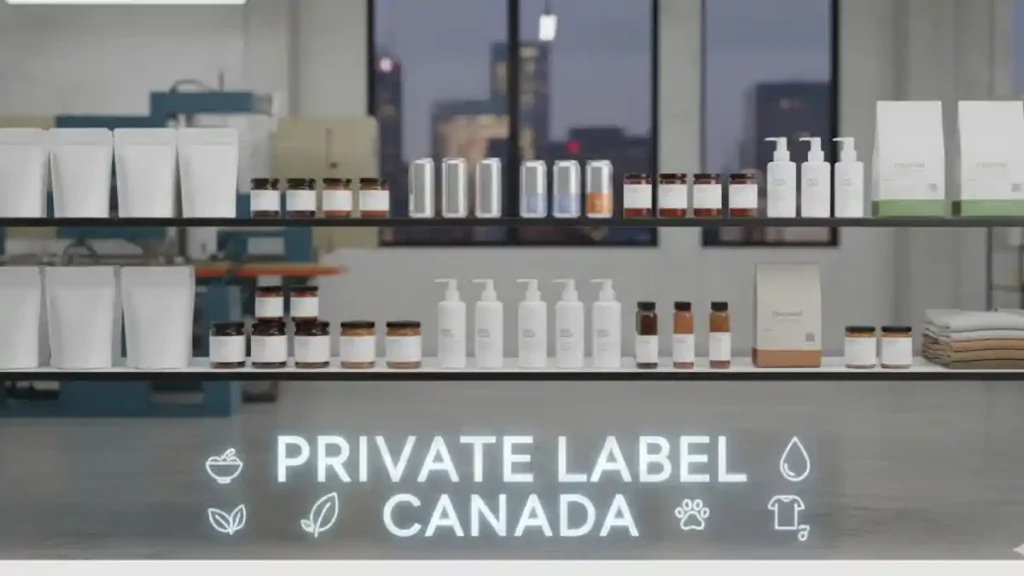
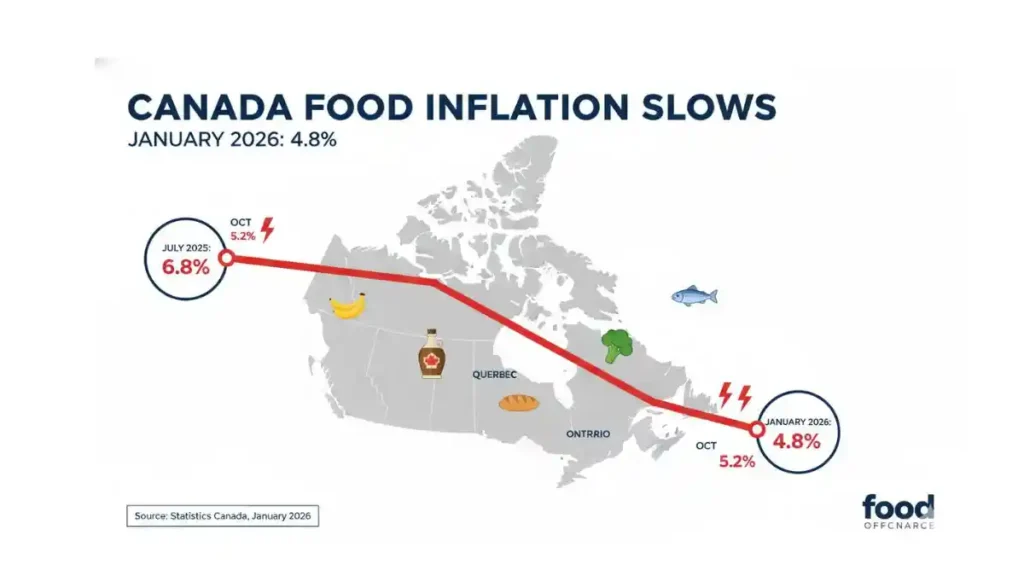
Today, things like inflation and new technology are forcing every store to get better. Customers are also more likely to try “private-label” (store brand) products to save money, as long as the quality stays high.
The lesson from 2025 is simple: Americans stay loyal to grocery stores that respect their time, their wallet, and their taste.