
Tokoname City in Aichi Prefecture and AEON Co., Ltd. signed a comprehensive partnership agreement on 9 February 2026, formalising collaboration across regional development and community initiatives.
The agreement was concluded between Mayor Tatsuya Ito and company President and CEO Akio Yoshida.
According to the official announcement, the partnership establishes structured cooperation between the municipality and the retail group. Full implementation details were released separately in supporting documentation.
Comprehensive agreements of this type in Japan typically focus on local revitalisation, promotion of regional products, environmental initiatives and disaster-response coordination.
Tokoname City, located in Aichi Prefecture, is known for manufacturing and ceramic production. Municipal collaboration with a large-scale retailer can support broader economic integration, particularly where local goods are introduced into organised retail distribution.
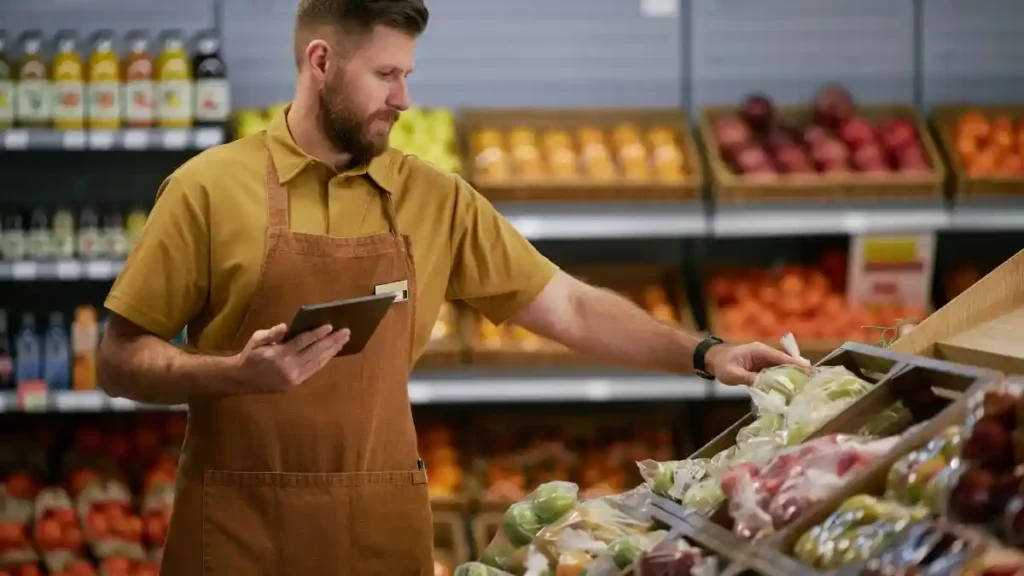
The company operates supermarkets, general merchandise stores and shopping centres across Japan. Its nationwide logistics infrastructure positions it as a significant distribution partner in regional supply planning.
Such partnerships often include:
-
Promotion of locally produced goods through retail networks
-
Cooperation on sustainability and recycling measures
-
Participation in regional events and social initiatives
-
Coordination of food and daily necessities during emergencies
Formalised retail–municipal agreements have become more common across the Japan supermarket sector in recent years. Local governments increasingly seek stable distribution channels, while retailers reinforce long-term regional presence.
The Tokoname agreement reflects this structural trend. It links municipal objectives with established retail infrastructure, aligning community development with organised grocery networks.
Further operational updates are expected as the collaboration framework moves into implementation.
Why It Matters
City-level agreements increasingly influence how supermarkets function within regional economies in Japan.
Municipalities face pressure to secure stable food access, strengthen disaster preparedness and support local producers. Retail operators provide physical stores, warehousing capacity and established logistics systems.
When structured cooperation is formalised, it can shape:
-
Shelf space allocation for regional suppliers
-
Investment in local retail facilities
-
Emergency distribution coordination
-
Waste reduction and sustainability programmes
In a country regularly affected by natural disasters, coordinated retail infrastructure plays a role in maintaining continuity of food supply.
For the broader Japan supermarket landscape, such agreements demonstrate the expanding role of retailers beyond store operations. They are increasingly embedded in local economic planning and community resilience frameworks.
The Tokoname partnership therefore represents more than administrative cooperation. It reinforces the position of organised retail as a long-term municipal partner within regional development strategy.
Editor’s Note: This article is based on publicly released information issued on February 9, 2026. Details reflect official company and municipal disclosures at the time of publication.