
TOMRA has signed a letter of intent to become the preferred reverse vending machine supplier for a major international supermarket chain operating in the UK, opening the possibility of around 2,000 machine installations.
The Norwegian recycling technology group announced the arrangement on 21 October 2026. The retailer has not been named, and the proposal is not yet a confirmed order for 2,000 machines.
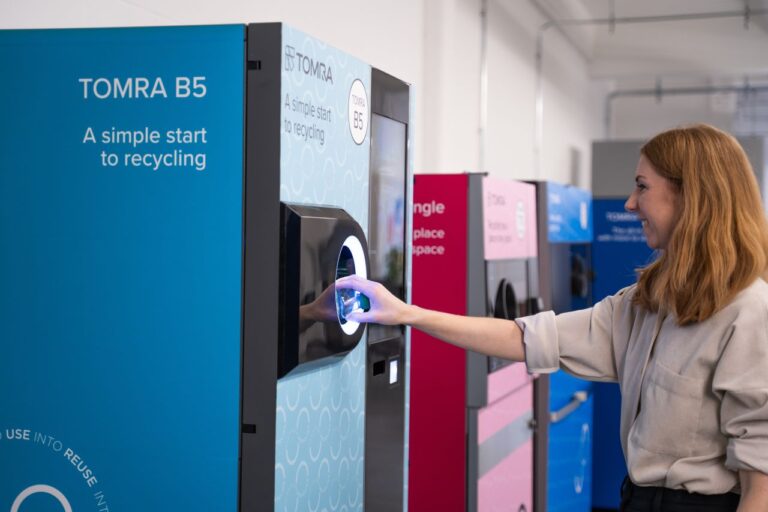
TOMRA said the potential deployment covers equipment sales, leasing and service arrangements, with deliveries planned to begin in 2027. The expected equipment is mainly standalone machines, including its B5 and S1 models.
The timing is significant for supermarkets preparing for the UK’s deposit return scheme, scheduled to begin on 1 October 2027. The scheme is intended to increase the collection of eligible single-use drinks containers and improve recycling quality.
Reverse vending machines allow shoppers to return used beverage containers through a machine that identifies and collects them. Retailers must consider where machines can be installed, how returned containers are stored and collected, and the impact on staff and customers.
For smaller stores, available floor space and the cost of maintenance could influence whether standalone units or other collection methods are practical. TOMRA describes its B5 as a compact unit designed for low- to medium-volume locations.
The latest announcement follows two earlier UK retail agreements. In May, TOMRA reported a letter of intent involving approximately 2,700 machines. In July, it announced an agreement involving about 1,200 units.
Those figures should not simply be added together as a confirmed national deployment. TOMRA has not identified the retailers involved in each arrangement, and some agreements remain subject to further commitments.
For beverage suppliers and supermarkets, the operational consequences extend beyond equipment purchases. The scheme will require coordination on eligible containers, deposit handling, collection frequency, customer instructions and the quality of returned material.
Technology deployment forms part of wider changes in supermarket store operations. GTN’s comparison of electronic shelf label companies examines another type of investment in store infrastructure, while its smart cart technology guide reviews how retailers are automating routine processes.
TOMRA expects deliveries associated with the new letter of intent to start in 2027. The next question is whether the retailer converts the proposed deployment into binding machine orders and confirms its installation timetable.