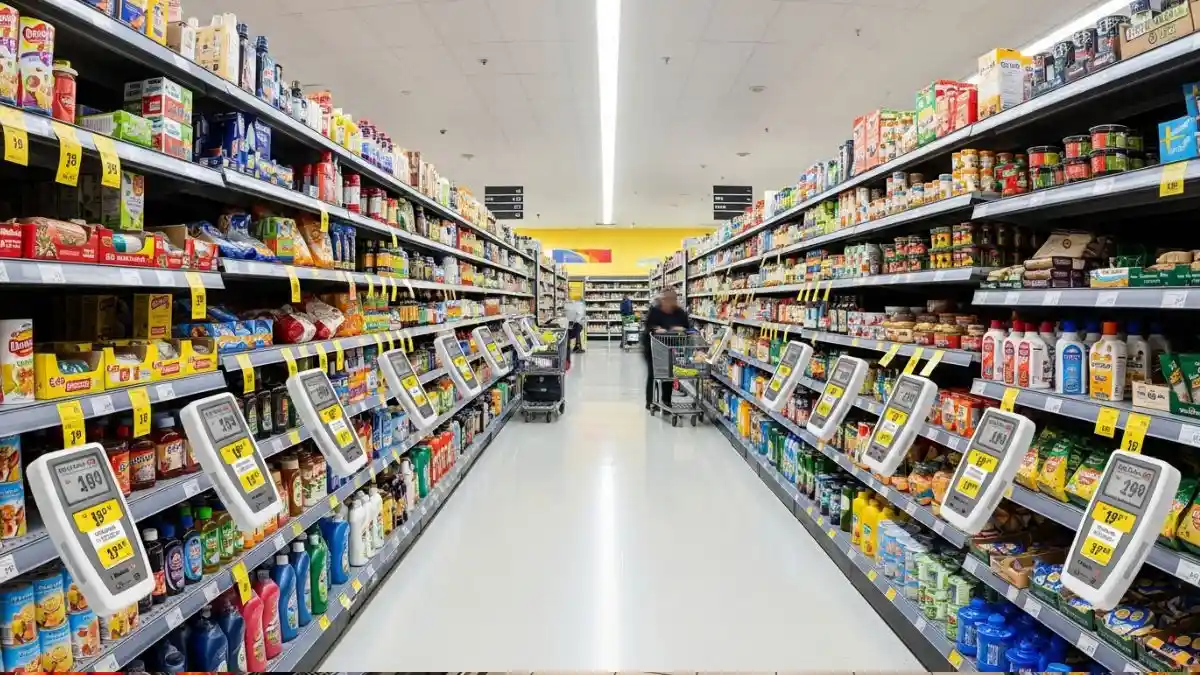

US supermarket food prices increased 2.4% in 2025, according to new data from the US Bureau of Labor Statistics. The figure reflects food at home inflation only, which tracks grocery store purchases and excludes housing, transport, fuel, insurance, and service costs.
The data shows that while broader inflation pressures moderated in parts of the economy, food price pressure inside supermarkets remained persistent throughout the year.
For grocery retailers, this confirms that shelf-level pricing stability remains under pressure heading into 2026.
Key Supermarket Food Inflation Data
Food at home (grocery store prices):
-
Annual increase: +2.4% (December 2024 to December 2025)
-
Direction: Continued upward movement
-
Impact: Direct effect on supermarket pricing and supplier costs
This category reflects prices paid by shoppers at supermarkets, grocery stores, and food retailers.
It does not include restaurant or takeaway food spending.
Grocery Category Price Changes in 2025
Several core supermarket categories recorded notable price movement.
Major Food At Home Categories
| Category | Annual Change |
|---|---|
| Nonalcoholic beverages & beverage materials | +5.1% |
| Meats, poultry, fish & eggs | +3.9% |
| Other food at home | +2.7% |
| Cereals & bakery products | +1.5% |
| Fruits & vegetables | +0.5% |
| Dairy and related products | -0.9% |
Coffee and tea prices were among the strongest drivers inside the beverage category, contributing to higher shelf costs for hot drinks and breakfast staples.
Why Food Inflation Matters More Than Headline CPI For Supermarkets
Headline inflation numbers include:
-
Rent and housing costs
-
Transport and vehicle expenses
-
Fuel and utilities
-
Insurance
-
Medical services
Supermarkets do not operate in those categories.
Food inflation better reflects the real cost pressure facing grocery retailers.
Retail pricing strategies, supplier negotiations, private label sourcing, and promotion planning are driven by food category inflation — not economy-wide CPI figures.
What This Means For Supermarket Operations
1. Supplier Cost Pressure Remains
Higher input costs for meat, beverages, and packaged foods continue to push supplier pricing upward. Retailers face ongoing pressure to balance cost recovery with price competitiveness.
2. Margin Management Becomes More Difficult
Food inflation limits retailers’ ability to absorb costs without affecting shelf prices. This increases reliance on:
-
Promotional campaigns
-
Targeted price cuts on high-volume products
-
Supplier renegotiations
-
Private label expansion
3. Value Ranges Remain Critical
Rising grocery prices continue to drive consumer demand toward:
-
Entry-level private label products
-
Discount formats
-
Multi-buy promotions
-
Budget-friendly pack sizes
Supermarkets are expected to keep expanding value-focused assortments in early 2026.
Shopper Impact
Food inflation affects household budgets faster than most other price categories.
Consumers respond by:
-
Reducing discretionary food spending
-
Switching brands
-
Buying more private label products
-
Increasing price comparisons across retailers
This behaviour puts additional competitive pressure on supermarket pricing strategies.
What Happens Next
The BLS data covers price movement through December 2025. Early 2026 grocery pricing will depend on:
-
Commodity cost trends
-
Supplier pricing strategies
-
Energy and transport cost movements
-
Promotional intensity among major retailers
For now, the data confirms that food inflation remains an active operational challenge for US supermarkets.
Bottom Line For Grocery Retail
Simple takeaway:
Food prices continue rising.
Supermarket cost pressure remains elevated.
Shelf price stability is not yet fully restored.
Retailers entering 2026 must continue managing a high-sensitivity grocery pricing environment.
Editor’s Note: This article is based on US Bureau of Labor Statistics Consumer Price Index data for 2025, published on January 21, 2026.