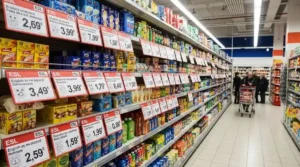

Croatia’s FMCG sector is attracting more attention from retailers, wholesalers and food manufacturers across Europe.
The country has a fairly small population compared with larger European markets. Yet several Croatian companies have built powerful regional positions. They have done this through strong brands, manufacturing scale and export networks.
The sector is anchored by household names in several categories:
- Food
- Dairy
- Confectionery
- Beverages
- Frozen foods
- Meat processing
Some companies have expanded across Southeast Europe. Others have become important suppliers to supermarket chains throughout the European Union.
Croatia offers supermarket buyers, distributors and private label professionals a concentrated group of manufacturers. They have deep category expertise and established retail relationships.
From Podravka’s global Vegeta brand to Atlantic Grupa’s growing consumer goods portfolio, these companies continue to shape domestic retail shelves and regional supply chains.
Top 10 FMCG Companies in Croatia at a Glance
| Rank | Company | FY Revenue | Strategic Role |
|---|---|---|---|
| 1 | Atlantic Grupa | €1.19bn | Food, beverages, consumer health |
| 2 | Podravka | €1.04bn | Packaged foods and pharmaceuticals |
| 3 | Vindija | Private | Dairy, poultry, beverages |
| 4 | Dukat | Private | Dairy products |
| 5 | Kraš | €190m+ | Confectionery and biscuits |
| 6 | Ledo Plus | Private | Frozen foods and ice cream |
| 7 | PIK Vrbovec | Private | Processed meats |
| 8 | Braća Pivac | Private | Meat products |
| 9 | Jamnica Plus | Private | Mineral water and soft drinks |
| 10 | Maraska | Private | Spirits and beverages |
1. Atlantic Grupa
Atlantic Grupa was founded in 1991 and is headquartered in Zagreb. It has become Croatia’s largest FMCG company. It is also one of the most influential consumer goods groups in Southeast Europe.
What it supplies
The company owns a broad portfolio of brands across several segments:
- Packaged foods
- Beverages
- Sports nutrition
- Supplements
- Consumer health products
Its best-known brands include Argeta, Cedevita, Donat and Smoki.
Why it matters to supermarket buyers
Atlantic’s strength comes from diversification. Many regional competitors focus on a single category.
Atlantic operates across multiple FMCG segments. It keeps direct relationships with major supermarket groups throughout the Adriatic region and Central Europe.
Its manufacturing footprint, distribution network and export reach make it one of the most strategically important FMCG suppliers in Croatia.
2. Podravka
Podravka was founded in 1947 and is based in Koprivnica. It is one of Croatia’s most recognised international food companies.
What it supplies
The company is best known for Vegeta, a seasoning brand sold in dozens of international markets.
Beyond culinary products, Podravka also owns the pharmaceutical business Belupo. This creates a unique mix of food and healthcare operations.
Recent acquisitions and strategic investments have strengthened Podravka’s position within regional food manufacturing.
Why it matters to supermarket buyers
For retailers, Podravka remains an important supplier. Its strengths are an extensive product range, strong brand recognition and long-standing market presence across Central and Eastern Europe.
3. Vindija
Vindija is one of Croatia’s leading food producers. Its operations span dairy, poultry and beverages.
The company is headquartered in Varaždin. It has a reputation for integrated production and strong domestic market penetration.
Why it matters to supermarket buyers
Its dairy products are widely distributed across Croatian supermarkets. Its poultry operations provide extra scale and supply-chain stability.
The company’s vertically integrated model helps keep product quality consistent. It also reduces dependence on external suppliers.
4. Dukat
Dukat was founded in Zagreb and is now part of French dairy giant Lactalis. It remains one of Croatia’s most important dairy manufacturers.
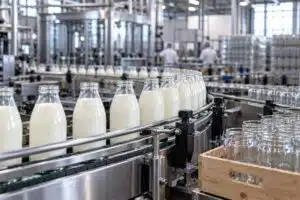
The company holds a dominant position in milk, yogurt, cheese and dairy-related categories.
Why it matters to supermarket buyers
Dukat is supported by a global parent company. It still plays a critical role in Croatia’s domestic food industry through local manufacturing and established retail relationships.
Its mix of international resources and local production expertise gives it a strong competitive position.
5. Kraš
Kraš is Croatia’s best-known confectionery manufacturer. It is one of the oldest food companies in the country.
What it supplies
Kraš was founded in 1911 and is headquartered in Zagreb. It produces a range of products sold throughout Southeast Europe:
- Chocolates
- Biscuits
- Wafers
- Confectionery products
Brands such as Bajadera have become synonymous with Croatian confectionery.
Kraš keeps a strong shelf presence across supermarkets. It continues to export products to many international markets.
6. Ledo Plus
Ledo Plus is the leading frozen food and ice cream company in Croatia.
The business plays a central role in frozen retail categories. It runs extensive cold-chain infrastructure that supports supermarkets and foodservice customers.
Why it matters to supermarket buyers
Ledo is part of the broader Fortenova Group portfolio. It remains one of the most recognisable consumer brands in the region.
Its frozen distribution capabilities create a competitive advantage. Smaller suppliers find this difficult to copy.
7. PIK Vrbovec
PIK Vrbovec is among Croatia’s largest meat processors. It is an important supplier to both retailers and foodservice operators.
The company produces fresh meat, processed meat products and ready-to-cook offerings.
Why it matters to supermarket buyers
PIK Vrbovec is part of the Fortenova Group food portfolio. It benefits from significant production capacity and established distribution channels.
Its scale allows the company to serve both domestic and regional markets efficiently.
8. Mesna Industrija Braća Pivac
Braća Pivac has built a strong reputation within Croatia’s meat industry. It combines processing expertise with regional distribution.
The company supplies supermarkets, independent retailers and hospitality operators across the country.
Its focus on meat processing and product consistency has helped it stay competitive despite growing market competition.
9. Jamnica Plus
Jamnica Plus is Croatia’s leading mineral water producer. It is one of the country’s most recognisable beverage companies.
The company markets mineral water, flavoured beverages and soft drinks across the region.
Like Ledo and PIK Vrbovec, Jamnica is a key part of Fortenova Group’s food and beverage operations.
Strong brand recognition and extensive retail distribution continue to support its market leadership.
10. Maraska
Maraska is based in Zadar. It is one of Croatia’s most established beverage producers.
The company operates across spirits, liqueurs, juices and non-alcoholic drinks.
Its heritage brands and export activities have helped it stay relevant in domestic and international markets.
Maraska remains an important player within Croatia’s broader FMCG and beverage sector.
The Importance of Fortenova Group
A notable feature of Croatia’s FMCG industry is the influence of Fortenova Group.
The group has significant exposure across frozen foods, beverages and meat processing. It does this through businesses such as:
- Ledo Plus
- Jamnica Plus
- PIK Vrbovec
Together, these companies form one of the strongest food and beverage portfolios in the Adriatic region. They continue to supply many of the area’s largest supermarket operators.
Industry Outlook
Croatia’s FMCG sector is expected to remain heavily influenced by four forces:
- Supermarket consolidation
- Private label growth
- Rising input costs
- Evolving consumer preferences
Retailers are placing more emphasis on supply reliability, product differentiation and efficient logistics networks.
Some companies are likely to remain the most resilient as competitive pressures intensify. These are companies with strong manufacturing capabilities, established brands and export diversification.
At the same time, regional expansion opportunities continue to attract investment. Croatian manufacturers are seeking growth beyond domestic demand.
Frequently Asked Questions
What is the largest FMCG company in Croatia?
Atlantic Grupa is Croatia’s largest FMCG company, with FY revenue of €1.19bn. Podravka ranks second with €1.04bn.
Which Croatian FMCG companies belong to Fortenova Group?
Ledo Plus, Jamnica Plus and PIK Vrbovec are part of Fortenova Group. They cover frozen foods, beverages and meat processing.
What is Podravka best known for?
Podravka is best known for Vegeta, a seasoning brand sold in dozens of international markets. It also owns the pharmaceutical business Belupo.
What Happens Next
The next phase of growth for Croatia’s FMCG sector will likely be shaped by regional expansion, private label development, and continued investment in manufacturing efficiency.
Supermarkets are increasingly seeking suppliers that can deliver consistent quality, reliable supply and competitive pricing across multiple markets. This trend is creating new opportunities for manufacturers working closely with Croatia supermarkets and major regional retail chains.
Several demand trends are also expected to influence future product development:
- Healthier products
- Convenience foods
- Premium categories
- Sustainable packaging
Many leading producers are expanding their focus on private label partnerships alongside their branded portfolios.
Retail competition is intensifying across Southeast Europe. Croatia’s leading FMCG companies are likely to strengthen their role as strategic suppliers to supermarkets, wholesalers and foodservice operators throughout the region.
Continued investment in manufacturing capacity, export growth and supermarket supply chains is expected to support the long-term development of the Croatian FMCG industry.
Editor’s Note: This analysis is based on publicly available company reports, corporate disclosures, industry publications, market data, and company information available as of 2026. Revenue figures are the latest publicly reported where available. Rankings reflect overall market influence, manufacturing scale, retail presence, brand strength, and regional significance within Croatia’s FMCG industry.