
Hungary’s private label manufacturing sector plays a central role in supplying supermarket store-brand products across Central Europe.
Many of the country’s leading food processors make products that appear on retail shelves under supermarket labels rather than their own brands:
- Poultry
- Dairy products
- Meat
- Dry grocery items
- Convenience foods
In 2026, the sector is shaped by a mix of vertically integrated agricultural groups, specialised food manufacturers and contract processors. They supply both Hungarian retailers and large European chains.
The companies ranked here include Bonafarm Group, Master Good Group, Sole-Mizo, Kométa 99, Vajda-Papír, Gallicoop, Gyermelyi, Hunland Food Group, Eisberg Hungary and Detki Keksz.
The ranking uses a hybrid approach. It considers manufacturing scale as well as structural importance within supermarket supply chains.
Top 10 Private Label Manufacturers in Hungary
| Rank | Company | Headquarters | Estimated Revenue (FY2024–FY2025) | Main Category |
|---|---|---|---|---|
| 1 | Bonafarm Group | Budapest | ~€1.3–1.5bn | Integrated food production |
| 2 | Master Good Group | Kisvárda | ~€600–700m | Poultry |
| 3 | Sole-Mizo | Szeged | ~€400m | Dairy |
| 4 | Kométa 99 | Kaposvár | ~€250–300m | Processed meat |
| 5 | Vajda-Papír | Budapest | ~€180–220m | Household paper |
| 6 | Gallicoop | Szarvas | ~€200–250m | Poultry |
| 7 | Gyermelyi | Gyermely | ~€180–200m | Pasta and grain foods |
| 8 | Hunland Food Group | Hungary | ~€100m+ | Frozen foods and logistics |
| 9 | Eisberg Hungary | Gyál | ~€45–50m | Fresh-cut salads |
| 10 | Detki Keksz | Halmajugra | ~€30–40m | Biscuits and snacks |
Revenue figures represent the most recent available fiscal disclosures or realistic industry estimates for privately held companies.
1. Bonafarm Group
- Founded: 2009
- Headquarters: Budapest, Hungary
- Estimated revenue: ~€1.3–1.5bn (FY2024)
What it supplies
Bonafarm is Hungary’s largest vertically integrated food group. It is one of the most influential suppliers within Central Europe’s supermarket supply chains.
Through subsidiaries such as Pick Szeged, Sole-Mizo and Hungerit, the group produces a wide range of meat, dairy and packaged food products. These can appear under retailer brands across the region.
Why it matters to supermarket buyers
Its vertically integrated structure connects agriculture, feed production, livestock farming and food processing. This lets the company keep reliable supply volumes for retail partners.
Continued investment in processing technology and export capacity reflects growing demand from European supermarkets for stable private-label production partners.
2. Master Good Group
- Founded: 1994
- Headquarters: Kisvárda, Hungary
- Estimated revenue: ~€600–700m (FY2024)
What it supplies
Master Good has built one of the largest vertically integrated poultry operations in Central Europe. It is widely recognised as a key poultry supplier for supermarket private-label programmes.
The company runs a complete production chain covering feed mills, poultry farming and large-scale processing plants. It produces fresh and frozen chicken products for retail and export markets.
Why it matters to supermarket buyers
Its integrated production system lets retailers source high-volume poultry products with consistent quality.
Expanding export channels and ongoing investment in modern processing facilities continue to strengthen its role as a strategic partner for European grocery chains.
3. Sole-Mizo
- Founded: 2003 (modern corporate structure)
- Headquarters: Szeged, Hungary
- Estimated revenue: ~€400m (FY2024)
What it supplies
Sole-Mizo is Hungary’s largest dairy processor and a central player in the country’s milk supply chain.
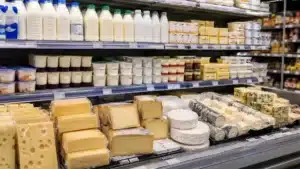
The company processes large volumes of milk each year. It produces a broad range of dairy products, including milk, yoghurt, cheese and dairy desserts.
Many of these products are made under retailer brands for supermarkets operating in Hungary and neighbouring markets.
Why it matters to supermarket buyers
As part of the Bonafarm group, Sole-Mizo benefits from strong agricultural integration and modern dairy processing infrastructure.
Continued investment in product innovation and dairy technology supports both domestic retail partnerships and export growth.
4. Kométa 99
- Founded: 1999
- Headquarters: Kaposvár, Hungary
- Estimated revenue: ~€250–300m (FY2024)
What it supplies
Kométa 99 is one of Hungary’s largest meat processors. It is an important supplier of packaged meat and deli products for supermarkets.
The company produces a wide range of sausages, sliced meats and ready-to-eat products. These often appear in retail private-label ranges.
Why it matters to supermarket buyers
Its processing facilities are designed for high-volume production. This lets retailers secure consistent supply for deli counters and chilled packaged meat categories.
Investments in automation and product development continue to strengthen Kométa’s role within the European meat processing sector.
5. Vajda-Papír
- Founded: 1999
- Headquarters: Budapest, Hungary
- Estimated revenue: ~€180–220m (FY2024)
What it supplies
Vajda-Papír is one of the most important non-food private-label manufacturers in the Hungarian retail ecosystem.
The company specialises in tissue paper, kitchen towels and other hygiene products. These appear under supermarket store brands across Central Europe.
Why it matters to supermarket buyers
Its manufacturing facilities produce large volumes of household paper goods. These form a staple category in supermarket private-label ranges.
Ongoing investment in production technology and sustainability has strengthened its position. It is a major supplier to retailers seeking competitively priced household paper products.
6. Gallicoop
- Founded: 1992
- Headquarters: Szarvas, Hungary
- Estimated revenue: ~€200–250m (FY2024)
What it supplies
Gallicoop is a leading poultry processor specialising in turkey production and processed poultry products.
The company supplies both branded and private-label items to supermarkets across Hungary and export markets in Europe.
Why it matters to supermarket buyers
Its large processing capacity lets it serve retailers looking for reliable suppliers of fresh and processed turkey products.
The company continues to expand in the convenience food category. Supermarkets are increasing demand for ready-to-cook and ready-to-eat poultry products.
7. Gyermelyi
- Founded: 1971
- Headquarters: Gyermely, Hungary
- Estimated revenue: ~€180–200m (FY2024)
What it supplies
Gyermelyi is one of Hungary’s most recognised pasta manufacturers. It is an important supplier within the dry grocery category.
The company produces pasta, flour and other grain-based foods. These supply both branded retail products and supermarket private-label ranges.
Why it matters to supermarket buyers
Its vertically integrated operations include grain processing and egg production. This lets the company keep control over raw material sourcing.
Strong domestic market share and export activity across Central Europe make Gyermelyi a dependable partner for supermarket dry grocery supply.
8. Hunland Food Group
- Founded: early 1990s
- Headquarters: Hungary
- Estimated revenue: ~€100m+ (FY2024 estimate)
What it supplies
Hunland Food Group operates across food logistics, processing and distribution. It plays a supporting role within supermarket private-label supply networks.
The company works with frozen foods, meat products and prepared foods that can appear in retail store-brand ranges.
Why it matters to supermarket buyers
Its logistics capabilities and sourcing networks connect producers with retailers. This is especially useful in categories that need cold storage and specialised distribution infrastructure.
9. Eisberg Hungary
- Founded: 1990s
- Headquarters: Gyál, Hungary
- Estimated revenue: ~€45–50m (FY2024)
What it supplies
Eisberg Hungary specialises in fresh-cut salads and ready-to-eat vegetables. These are widely used in supermarket convenience food sections.
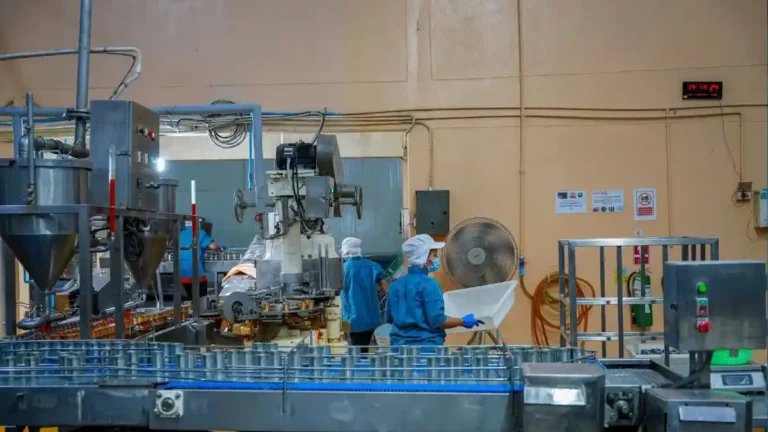
The company runs modern processing facilities that wash, cut and package fresh produce for retail distribution. Many of these products are sold under retailer labels rather than the company’s own brand.
Why it matters to supermarket buyers
Consumer demand for convenient fresh foods is increasing across Europe. As a result, Eisberg has become an important supplier for supermarkets looking to expand their ready-to-eat salad ranges.
10. Detki Keksz
- Founded: 1983
- Headquarters: Halmajugra, Hungary
- Estimated revenue: ~€30–40m (FY2024)
What it supplies
Detki Keksz is one of Hungary’s established biscuit manufacturers. It supplies a variety of baked snacks to retailers.
The company produces biscuits and sweet snack products that often appear in supermarket private-label ranges.
Why it matters to supermarket buyers
Its manufacturing facilities focus on cost-efficient production of large-volume snack items. This makes it a useful partner for retailers looking to expand affordable store-brand snack lines.
Hungary’s role in European private-label supply chains
Hungary’s manufacturing ecosystem has become an increasingly important production base for private-label goods sold across Central Europe.
Large agricultural resources, modern processing facilities and good logistics connections help. They let the country’s manufacturers supply retailers in neighbouring markets such as Austria, Slovakia and Germany.
Vertical integration
Vertical integration is one of the key factors supporting this growth. Many Hungarian companies control several stages of the supply chain, from agriculture to final packaged products.
This structure helps retailers secure stable production volumes and traceable supply chains. These are increasingly important under European food safety regulations.
Close links with retailers
Another factor is the strong relationship between manufacturers and supermarket procurement teams.
Retailers often work with producers to develop product specifications, packaging formats and recipes tailored for store-brand ranges.
Frequently Asked Questions
Which is the largest private label manufacturer in Hungary?
Bonafarm Group ranks first, with estimated FY2024 revenue of about €1.3–1.5bn. It is Hungary’s largest vertically integrated food group, with subsidiaries including Pick Szeged, Sole-Mizo and Hungerit.
Which categories do Hungarian private label manufacturers cover?
They cover poultry, dairy, meat, dry grocery items and convenience foods. Vajda-Papír also supplies non-food items such as tissue paper and kitchen towels.
Why do retailers source private label from Hungary?
Hungary offers large agricultural resources, modern processing facilities and good logistics links to markets such as Austria, Slovakia and Germany. Vertical integration also gives retailers stable volumes and traceable supply chains.
Outlook for private-label manufacturing in Hungary
Private-label products continue to gain market share across European grocery retail. This trend is likely to strengthen the importance of Hungary’s manufacturing sector.
As retailers expand their store-brand ranges, demand remains strong for reliable contract manufacturers that can produce large volumes.
For many Hungarian supermarkets, private-label ranges have become a core part of pricing strategy. They let retailers compete more effectively while keeping supply consistent.
Hungarian producers are expected to keep investing in automation, supply chain efficiency and sustainable production. These investments are closely linked to the needs of the regional FMCG industry. There, manufacturers must balance cost efficiency with strict European quality and food safety standards.
In the coming years, Hungary’s agricultural capacity, modern processing infrastructure and export-focused manufacturing are likely to keep it firmly positioned as a key supplier. This applies to supermarket private-label goods across Central Europe.
This will support both domestic retailers and the wider Hungarian FMCG supply chain.
Editor’s Note: This article is based on publicly available company disclosures, sector reports and industry analysis covering Hungary’s food manufacturing and retail supply chains. Revenue figures reflect the most recent available fiscal years (FY2024–FY2025) or reasonable industry estimates for privately held companies. Currency values are presented in euros for comparative reference.