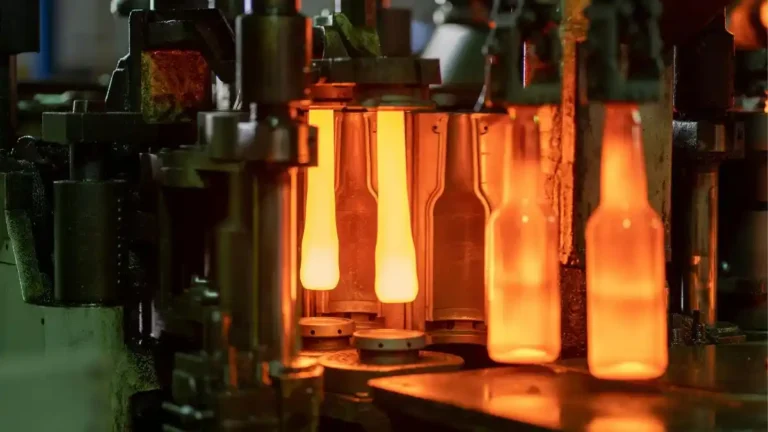

Private label manufacturing in Slovakia is no longer just a low-cost supply story. In 2026, the country has become one of Central Europe’s most important supermarket production hubs.
Slovak factories supply retailer-label products across the region, including:
- Dairy
- Bakery
- Poultry
- Beverages
- Snacks
- Tissue products
- Plant-based foods
The domestic market itself is relatively small, with a population of around 5.4 million people. But Slovak manufacturers increasingly act as export-driven production platforms for supermarket chains in the Czech Republic, Hungary, Austria and Poland.
That shift is changing the structure of the region’s grocery supply chain.
Retailers are under pressure from inflation, packaging regulation, logistics costs and sustainability targets. As a result, supermarkets rely more heavily on large-scale manufacturers. These can deliver stable pricing, efficient packaging and cross-border supply consistency.
The biggest winners are firms with strong vertical integration, modern packaging capability and retailer-focused production models.
The market is also entering a new phase shaped by:
- EU packaging regulation (PPWR)
- automation investment
- retailer consolidation
- private label expansion
- growing demand for “price-value architecture” across supermarkets
Examples range from dairy giant Tatranská mliekareň to bakery powerhouse Penam Slovakia and plant-based innovator Lunter. Slovakia’s manufacturing base is becoming increasingly important for European grocery retail.
Top 10 Private Label Manufacturers in Slovakia (2026)
| Rank | Company | Sector | Estimated RevNow Revenue | Key Strength |
|---|---|---|---|---|
| 1 | I.D.C. Holding | Confectionery | €200M–€250M | Export snack manufacturing |
| 2 | Tatranská mliekareň | Dairy | €300M–€350M | Retailer-label dairy scale |
| 3 | Hyza | Poultry | €280M–€330M | Vertical integration |
| 4 | Penam Slovakia | Bakery | €200M–€250M | Industrial bakery scale |
| 5 | McCarter | Beverages | €200M–€240M | UHT & aseptic packaging |
| 6 | Tauris Group | Meat & seafood | €180M–€220M | Diversified protein supply |
| 7 | Lunter (Alfa Bio) | Plant-based foods | €60M–€90M | Innovation-led growth |
| 8 | Mecom Group | Meat processing | €150M–€180M | Regional cold cuts network |
| 9 | SHP Group | Tissue & hygiene | €200M–€250M | Private label paper products |
| 10 | GreenPharm | Supplements | €15M–€30M | Wellness manufacturing niche |
1. I.D.C. Holding
Founded in 1992, I.D.C. Holding has grown into one of the most recognised confectionery manufacturers in Central Europe.
The company is best known for brands such as Horalky, Mila and Lina. Its growing role in retailer-label production is becoming more visible across regional supermarket chains.
Key facts
A major turning point came when Valeo Foods Group acquired the business. That deal turned I.D.C. from a strong Slovak manufacturer into a strategic production platform. It is now connected to a wider European snack network.
Why it matters to supermarket buyers
For supermarkets, the attraction is scale and export capability.
The company runs highly efficient production facilities that can supply multiple Central European markets at once. This is increasingly valuable as retailers push for supply-chain simplification and cross-border sourcing.
Its wafer and biscuit expertise also positions it strongly inside the growing “price-value architecture” trend. Here, retailers seek affordable alternatives to premium branded snacks.
2. Tatranská mliekareň
Tatranská mliekareň remains the dominant force in Slovak private-label dairy.
What it supplies
Operating under brands including Tami, the company supplies milk, cheese, butter, cream and chilled dairy products. Its customers are retailers across Slovakia and neighboring markets.
Its importance has grown further as supermarket groups streamline sourcing across multiple retail banners.
Industry suppliers increasingly point to stronger cross-banner procurement efficiency within major retail groups. This is most visible in dairy, where large-scale production consistency matters most.
Why it matters to supermarket buyers
For retailers, Tatranská mliekareň offers:
- stable milk sourcing
- modern dairy processing
- chilled logistics capability
- strong retailer-label flexibility
The company is also investing in packaging adaptation as EU sustainability rules tighten across food retail.
That is becoming a critical competitive advantage ahead of the EU Packaging and Packaging Waste Regulation (PPWR). It starts reshaping supermarket packaging requirements from August 2026.
3. Hyza
Hyza is one of the most strategically important poultry suppliers in Slovakia’s grocery sector.
The company is part of the Agrofert group. This gives it major advantages in feed sourcing, agricultural integration and supply-chain stability.
Why vertical integration matters
That vertical integration matters enormously during inflationary periods.
Retailers increasingly prefer suppliers capable of controlling:
- feed costs
- farming operations
- processing
- logistics
- packaging
Hyza’s industrial scale has made it a major supplier for supermarket poultry programs across Slovakia and the Czech Republic.
Private label chicken remains one of the most price-sensitive supermarket categories in Europe. Hyza’s operational structure lets it keep competitive pricing while still meeting retailer quality requirements.
Automation is also becoming more important inside poultry processing as labor costs keep rising across Central Europe.
4. Penam Slovakia
Penam Slovakia is another key Agrofert-controlled business shaping the Slovak grocery market.
The company runs large-scale bakery manufacturing focused on packaged bread, pastries and retailer-label bakery products.
Why it matters to supermarket buyers
In modern supermarkets, bakery is no longer just a fresh-food category. It is now a logistics category.
Retailers want:
- longer shelf life
- stable pricing
- transport efficiency
- reduced waste
- centralized production
Penam’s industrial bakery model aligns directly with those priorities.
Its scale gives it a major advantage over smaller independent bakeries. These struggle with labor costs and packaging investment.
The company also benefits from Agrofert’s wider agricultural structure. This helps secure raw material supply during periods of grain volatility.
5. McCarter
McCarter has become one of Slovakia’s most important beverage manufacturing specialists.
The company produces juices, functional drinks and shelf-stable beverage products. It uses advanced UHT and aseptic packaging technology.
Why it matters to supermarket buyers
That matters more than ever in 2026.
Retailers increasingly prioritize “delivery-ready” products suitable for:
- e-commerce distribution
- automated warehousing
- lower refrigeration dependency
- cross-border transport efficiency
McCarter’s packaging flexibility is helping the company secure growing retailer-label beverage contracts.
The business is also benefiting from supermarket sustainability pressure. Large grocery chains now weigh packaging compliance alongside price when awarding supplier contracts.
Manufacturers that can reduce plastic use and improve recyclability are gaining a competitive advantage.
6. Tauris Group
Tauris Group plays a major role across meat processing, seafood products and prepared foods.
The group includes Ryba Košice, one of the best-known prepared-food operations in Slovakia.
What it supplies
Instead of focusing on a single category, Tauris benefits from diversification.
That allows the company to supply multiple supermarket departments simultaneously, including:
- chilled meats
- sausages
- processed foods
- seafood salads
- convenience products
Convenience foods keep growing across Central Europe as retailers expand ready-to-eat and ready-to-cook ranges.
Supermarkets increasingly prefer suppliers that can handle both production and packaging under one integrated system.
7. Lunter (Alfa Bio)
Lunter may be smaller than the meat and dairy giants. Even so, it has become one of Slovakia’s most internationally visible food manufacturers.
The company specializes in plant-based foods, tofu products, spreads and alternative protein categories.
Why it matters to supermarket buyers
Inside retail, Lunter acts as an “innovation halo” supplier.
Retailers use plant-based ranges not only for revenue generation, but also to strengthen:
- sustainability positioning
- health-focused branding
- younger consumer appeal
- premium private-label development
The company’s export footprint has expanded rapidly across Europe.
As plant-based categories mature, retailers increasingly want regional suppliers. These offer faster delivery and smaller production runs than global multinational suppliers.
8. Mecom Group
Mecom Group remains one of the largest processed meat businesses operating across Central Europe.
The company supplies cold cuts, sausages, smoked meats and packaged protein products to multiple retail chains.
Why scale matters
Private-label processed meat remains highly competitive due to:
- raw material volatility
- energy costs
- refrigeration requirements
- retailer pricing pressure
Scale therefore matters enormously.
Mecom’s regional production network helps it keep strong supermarket relationships despite intense pricing competition.
The company also benefits from Central European distribution integration. This allows more efficient cross-border logistics.
9. SHP Group
SHP Group is one of the most important additions to Slovakia’s private-label conversation.
Food categories dominate most rankings. However, tissue and hygiene products are becoming increasingly strategic for supermarkets.
What it supplies
Retailers want reliable private-label supply for:
- toilet paper
- kitchen towels
- hygiene tissue
- paper-based household products
SHP Group has become a key regional supplier in this area.
The company also sits directly inside the packaging sustainability transition happening across Europe.
Retailers are working toward ESG targets and PPWR compliance. As a result, paper-based household products are becoming more important inside supermarket sustainability strategies.
10. GreenPharm
GreenPharm represents the fast-growing health and wellness side of Slovakia’s manufacturing economy.
The company operates in supplements, nutraceuticals and wellness-focused private-label production.
It is smaller than the industrial grocery giants. Still, the business reflects a broader supermarket trend: health categories are increasingly moving into retailer-label portfolios.
Supermarkets are expanding own-brand:
- vitamins
- immunity products
- sports nutrition
- wellness supplements
That creates opportunities for specialized manufacturers with flexible production capability.
What Is Driving Slovakia’s Private Label Expansion
| Indicator | 2026 Projection | Impact |
|---|---|---|
| GDP Growth | ~1.6% | Keeps consumers price-focused |
| Food Inflation | ~4–5% | Supports store-brand demand |
| Grocery E-commerce | ~5% share | Increases packaging pressure |
| Labor Costs | +9.7% YoY | Accelerates factory automation |
| PPWR Regulation | August 2026 | Forces packaging redesign |
Why Slovakia Matters More in 2026
The Slovak private-label sector is no longer operating as a domestic-only industry.
It is increasingly functioning as a Central European export engine for supermarkets seeking:
- lower production costs
- efficient logistics
- scalable manufacturing
- retailer-focused packaging
- stable supply partnerships
That is especially important as supermarket chains keep simplifying sourcing structures across multiple countries.
The next phase of competition will likely focus on:
- automation
- sustainable packaging
- regional supply integration
- price-value architecture
- retailer exclusivity agreements
For manufacturers, winning future retailer contracts will depend on more than price alone.
Packaging compliance, export flexibility and operational resilience are becoming equally important across Europe’s evolving grocery supply chain.
Frequently Asked Questions
Which countries do Slovak private label manufacturers supply?
Beyond the domestic market, Slovak manufacturers supply supermarket chains in the Czech Republic, Hungary, Austria and Poland. Slovakia itself has a population of around 5.4 million people.
When does the EU PPWR start affecting supermarket packaging?
The EU Packaging and Packaging Waste Regulation (PPWR) starts reshaping supermarket packaging requirements from August 2026. It forces packaging redesign across the sector.
Which Slovak manufacturers belong to Agrofert?
Poultry supplier Hyza and bakery manufacturer Penam Slovakia are both part of the Agrofert group. This gives them advantages in raw material sourcing and supply-chain stability.
Conclusion
The next phase for Slovak manufacturing will likely depend on how quickly producers adapt. Key pressures are automation, packaging regulation and cross-border retail consolidation across Central Europe.
Retailers are reducing supplier complexity while expanding regional sourcing networks. That creates opportunities for larger manufacturers that can support multiple markets from a single production base.
The direction is already visible across Slovakia FMCG operations. There, export efficiency and packaging compliance are starting to matter as much as production scale itself.
Pressure is also building across Slovakia fresh produce and chilled food logistics. Supermarkets are pushing for shorter delivery times and more sustainable transport systems.
At the same time, Slovakia supermarket chains keep expanding private label ranges into higher-margin categories. These include wellness, convenience foods, plant-based products and household essentials.
For suppliers, the challenge is no longer simply producing at low cost. The bigger test is whether factories can deliver speed, flexibility, sustainability and regional consistency at the same time.
Editor’s Note: This article is based on company reports, regional FMCG market analysis, trade data, retailer supply-chain trends, and 2025–2026 industry estimates. Revenue figures are RevNow-style editorial estimates reflecting operational market positioning rather than audited private-label-only turnover.