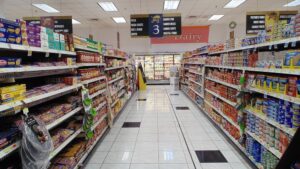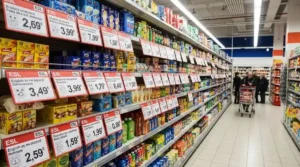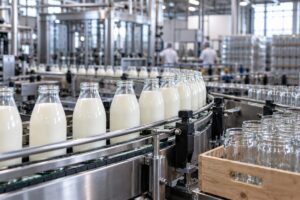


European supermarket groups are becoming far more selective about where they source products, packaging and private label manufacturing.
Logistics volatility, energy costs and pressure on retail margins are pushing buyers towards shorter regional supply chains across Europe.
That shift is creating new opportunities for Lithuania. Several sectors are gaining stronger attention from Baltic and Nordic procurement teams:
- frozen-food production
- dairy exports
- retail technology
- foodservice distribution
Vilnius is increasingly acting as a commercial meeting point between Baltic, Scandinavian and Central European grocery markets.
Lithuania’s 2026 trade-event calendar reflects these wider market changes. Ahead of the 2027 procurement cycle, industry discussions are expected to centre on:
- sourcing
- refrigeration systems
- retail automation
- premium beverages
- private label manufacturing
At a Glance
| Rank | Event | Date | Strategic Role |
|---|---|---|---|
| 1 | TASTE VILNIUS 2026 | Oct 15–17, 2026 | Lithuania’s main FMCG and HoReCa trade event |
| 2 | Baltshop Baltgastro Balthotel | Autumn 2026 cycle | Retail equipment and refrigeration systems |
| 3 | Vyno Dienos 2026 | May 8–9, 2026 | Premium beverage and wine sourcing |
| 4 | AgroBalt | Dormant / Unscheduled | Historic agriculture and food-processing platform |
1. TASTE VILNIUS 2026
Key facts
TASTE VILNIUS is expected to remain Lithuania’s most important food and hospitality trade exhibition in 2026. It will take place from October 15–17 at the LITEXPO exhibition centre in Vilnius.
It is likely to attract a wide range of visitors from across the Baltics and Northern Europe:
- supermarket buyers
- distributors
- frozen-food suppliers
- beverage companies
- packaging firms
- foodservice operators
Why it matters to supermarket buyers
Retail procurement priorities are shifting quickly. Supermarket groups want suppliers that can offer stable production, flexible volumes, shorter delivery routes and stronger regional manufacturing support.
That creates opportunities for Baltic food producers.
Private label sourcing is expected to remain one of the strongest themes. This applies especially to frozen convenience categories, dairy products, packaged grocery and foodservice supply.
Packaging compliance and refrigeration efficiency are also becoming larger parts of procurement talks. Retailers continue to balance operating costs with sustainability targets.
The event increasingly reflects the wider direction of the Lithuania supermarket and Lithuania FMCG sectors. Regional sourcing partnerships are becoming more commercially important each year.
2. Baltshop Baltgastro Balthotel
What it covers
Baltshop Baltgastro Balthotel continues to play an important role across Baltic retail infrastructure and hospitality technology markets.
It no longer works as a fully separate exhibition. It is now more closely tied to Lithuania’s wider autumn hospitality and food trade cycle at LITEXPO.
Its strongest areas remain:
- refrigeration systems
- commercial kitchens
- shelving systems
- checkout technology
- warehousing equipment
- retail automation
Why it matters to supermarket buyers
That focus aligns directly with current supermarket operating pressures across the Baltics.
Retailers continue to face labour shortages, energy-price volatility and rising expectations on operational efficiency. As a result, investment is accelerating in:
- self-checkout systems,
- inventory visibility tools,
- refrigeration upgrades,
- and automated retail operations.
Energy-efficient refrigeration is becoming especially important. Supermarket operators are trying to reduce long-term operating costs while meeting tighter sustainability requirements.
The Lithuania retail technology market is now more closely linked to wider Baltic supermarket modernisation programmes, particularly in grocery and convenience retail.
3. Vyno Dienos 2026
Key facts
Vyno Dienos 2026 took place on May 8–9 in Vilnius. It remains Lithuania’s leading wine and premium beverage trade exhibition.
The event brings together beverage importers, supermarket buyers, distributors, hospitality operators and international wine producers. These serve Baltic and Nordic markets.
Why it matters to supermarket buyers
Premium beverage categories continue to gain importance across Baltic supermarkets. Retailers are expanding higher-margin ranges and strengthening premium positioning in urban grocery formats.
Imported wines, specialty spirits, premium soft drinks and craft beverages are all more visible across parts of the Lithuania supermarket sector.
For distributors, the exhibition is also an important networking platform before the summer hospitality season. This matters most for restaurants, hotels and tourism-linked retail channels.
The event reflects wider changes in Baltic beverage sourcing. Retailers are gradually diversifying premium ranges beyond traditional Western European suppliers.
4. AgroBalt
AgroBalt was historically one of Lithuania’s largest agricultural and food-processing exhibitions. It was once closely connected to dairy exports, grain logistics, meat production and agricultural manufacturing partnerships.
Today, however, AgroBalt no longer operates as a major standalone commercial exhibition. It remains dormant without a confirmed 2026 schedule.
Even so, the sectors linked to AgroBalt still play a major role in Lithuania’s export economy.
Dairy processing, frozen-food manufacturing, grain handling and regional agricultural supply chains remain commercially significant across Baltic FMCG markets. This is especially true as European retailers keep searching for dependable regional sourcing partners.
Lithuanian Manufacturers Are Expanding Private Label Reach
One of the most important structural shifts across Baltic FMCG markets is the growing role of Lithuanian manufacturers in European private label supply chains.
Several Lithuanian companies are benefiting as retailers try to reduce dependence on distant sourcing networks and strengthen regional manufacturing flexibility.
Key export-focused manufacturers include:
- Mantinga
- Viciunai Group
- Pieno Žvaigždės
- Rokiškio Sūris
- KG Group
Frozen bakery and dairy remain among the country’s strongest export categories.
European retailers are increasingly prioritising suppliers capable of offering:
- stable production capacity,
- flexible manufacturing,
- competitive regional pricing,
- and shorter logistics routes.
That trend is strengthening links between Lithuania private label manufacturing, Lithuania fresh produce logistics and wider Baltic supermarket sourcing systems.
Packaging and Retail Automation Are Becoming Central Trade Themes
Trade exhibitions across Lithuania are increasingly focused on operational resilience rather than simple product showcasing.
Retailers and suppliers are paying closer attention to:
- recyclable packaging,
- emissions reporting,
- refrigeration efficiency,
- automation costs,
- and traceability systems.
Packaging suppliers and retail technology firms now play a much larger role in Baltic food exhibitions than several years ago.
This reflects wider pressure across European grocery markets. Supermarkets are trying to balance compliance costs, operational efficiency and margin protection at the same time.
Industry Outlook
Lithuania’s role in Baltic grocery and FMCG supply chains is expected to strengthen further over the next few years.
Several long-term market trends continue to support growth:
- private label expansion,
- supermarket modernisation,
- frozen-food demand,
- regional sourcing diversification,
- and logistics investment.
Vilnius is also becoming more important as a regional trade meeting point. It connects Baltic, Nordic and Central European food markets.
Frequently Asked Questions
What is the main food trade event in Lithuania in 2026?
TASTE VILNIUS 2026 is Lithuania’s main FMCG and HoReCa trade event. It takes place on October 15–17 at the LITEXPO exhibition centre in Vilnius.
Is AgroBalt taking place in 2026?
No. AgroBalt no longer operates as a major standalone commercial exhibition. It remains dormant without a confirmed 2026 schedule.
Which Lithuanian manufacturers supply European private label?
Key export-focused manufacturers include Mantinga, Viciunai Group, Pieno Žvaigždės, Rokiškio Sūris and KG Group. Frozen bakery and dairy are among the country’s strongest export categories.
What Happens Next
The October 15–17 TASTE VILNIUS exhibition period is expected to become Lithuania’s most commercially important grocery trade window in 2026.
Retailers are likely to focus heavily on:
- supplier negotiations,
- private label sourcing,
- refrigeration upgrades,
- packaging compliance,
- and automation investment planning for 2027.
Lithuanian manufacturers are also expected to keep strengthening their role in European supermarket supply chains. Retailers are prioritising regional sourcing stability and flexible production partnerships.
The strongest opportunities are likely to stay linked to frozen foods, dairy exports, retail technology, sustainable packaging and Baltic FMCG distribution systems.
That trend is also expected to strengthen wider links across the Lithuania private label sector, Lithuania supermarket supply chains, Lithuania FMCG manufacturing networks and Lithuania retail technology investment. Baltic grocery operators continue to modernise their sourcing and distribution strategies.
Editor’s Note: This article was prepared using publicly available exhibition schedules, Lithuanian trade-event information, Baltic FMCG market analysis, and regional supermarket sourcing data available as of May 2026.