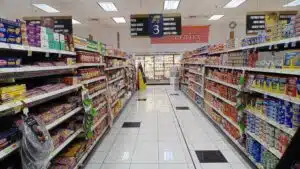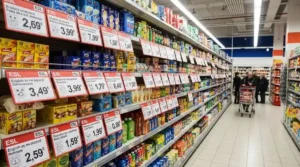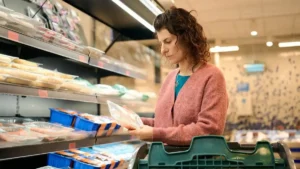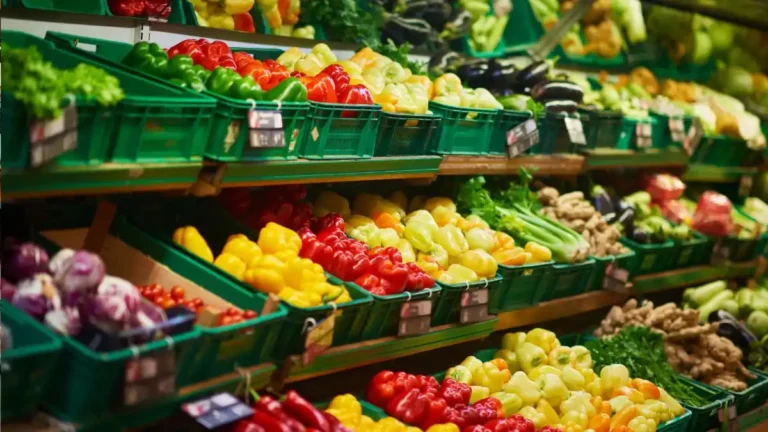

Andorra’s fresh produce market runs on cross-border logistics rather than domestic farming scale. The country’s mountainous terrain limits large agricultural production. As a result, supermarkets, distributors and imported food networks handle most fruit and vegetable supply.
That pressure has become even more visible as tourism volumes continue to shape grocery demand across the principality.
Fresh food operators in Andorra are tied into Spanish and French sourcing corridors. Retailers compete on these factors rather than farming ownership:
- freshness
- delivery frequency
- imported range
- seasonal availability
Local artisanal food production still exists. However, the companies that control produce distribution, preservation technology and supermarket infrastructure now play the central role in how fresh food reaches consumers.
At a Glance
| Rank | Company | FY Revenue | Strategic Role |
|---|---|---|---|
| 1 | Nice Tech | Private | Produce preservation technology |
| 2 | Pyrénées Group | Private | Leading grocery infrastructure |
| 3 | E.Leclerc Andorra | Private | French hypermarket produce channel |
| 4 | Caprabo Andorra | Private | Spanish retail supply network |
| 5 | Andorra 2000 | Private | Tourism-driven grocery distribution |
1. Nice Tech
- Founded: 2018
- Headquarters: Andorra la Vella, Andorra
Nice Tech has become the most internationally visible produce-related company linked to Andorra, though not in the traditional farming sense. It operates as an AgTech and post-harvest food preservation specialist rather than a large-scale grower.
What it does
Its business model centres on patented freezing technology. This is designed to preserve fruit and vegetable texture, nutrients and cellular structure without chemical additives.
Production partnerships are largely tied to growers and sourcing regions outside Andorra, including Spain and Latin America.
That distinction matters. Andorra simply does not have the land to support industrial-scale fruit and vegetable growing. Instead, Nice Tech positions Andorra as a technology and research hub connected to global produce supply chains.
Why it matters to supermarket buyers
The company’s operational relevance comes from waste reduction and shelf-life extension. Retailers across Europe face higher fresh food losses and stricter sustainability targets. As a result, preservation technologies are becoming commercially important beyond frozen food categories alone.
Nice Tech therefore sits closer to food technology infrastructure than conventional agriculture. Even so, it remains the strongest globally connected fresh produce business associated with Andorra.
2. Pyrénées Group
- Founded: 1940
- Headquarters: Andorra la Vella, Andorra
Pyrénées Group remains one of the dominant retail operators in the country. It is an essential part of Andorra’s fresh produce distribution system.
How it sources produce
The company operates large supermarket and department store infrastructure. This is heavily influenced by French and Spanish grocery sourcing networks.
Produce departments in Pyrénées locations are especially important during tourism peaks. At those times, visitor demand can sharply increase grocery turnover across the principality.
Larger European supermarket chains often have vertically integrated farming systems. Pyrénées, by contrast, depends on cross-border supplier relationships and import efficiency. Freshness cycles, transport coordination and seasonal sourcing therefore matter more than direct farm ownership.
Market position
The retailer also benefits from its premium market position. Imported fruits, packaged salads, prepared produce and higher-value grocery categories perform strongly with tourists. These visitors come to Andorra for skiing, shopping and hospitality.
Operationally, Pyrénées is both a supermarket operator and a major gateway for imported fresh food entering the local retail market.
3. E.Leclerc Andorra
- Headquarters: Andorra la Vella, Andorra
- Parent Network: France
E.Leclerc Andorra is one of the country’s strongest high-volume produce channels. This comes from its direct connection to French hypermarket sourcing systems.
Scale and sourcing
The retailer’s scale lets it move large volumes of imported fruit and vegetables through established French logistics infrastructure. That gives it an edge in consistency, range breadth and pricing efficiency.
Fresh produce has become more important in hypermarket formats. Retailers are trying to keep customers coming back despite pressure from discount grocery operators across Europe. In Andorra, tourism traffic and cross-border shoppers amplify that dynamic.
What matters commercially
The company’s produce operation is less about local farming identity and more about procurement scale. In the Andorran market, the commercial factors are:
- distribution efficiency
- refrigerated transport access
- supplier integration
E.Leclerc also benefits from strong recognition among French visitors. They already know the brand’s grocery positioning before entering Andorra.
4. Caprabo Andorra
- Founded: 1959
- Parent Group: Eroski Group
- Operations in Andorra: Spanish-linked grocery retail
Caprabo plays a different role from the large tourist-focused hypermarket operators. Its relevance comes more from residential grocery access and steady neighbourhood-level food distribution.
How it sources produce
The retailer’s produce operations are closely tied to Spanish sourcing systems and Catalan logistics corridors. That gives it relatively fast access to Iberian fruit and vegetable suppliers compared with smaller independent operators.
Market position
Caprabo’s structure fits the practical side of Andorra’s grocery market. Despite the country’s geographic limits, residents need:
- regular produce turnover
- reliable fresh food replenishment
- stable pricing
The company therefore competes through operational consistency rather than luxury positioning or specialty imported ranges.
Spanish grocery integration also matters. Much of Andorra’s produce movement works as an extension of wider northeastern Iberian supply chains.
5. Andorra 2000
- Headquarters: Andorra
- Business Type: Hypermarket and grocery retail
Andorra 2000 remains one of the country’s best-known large-format grocery operators. It is especially popular with cross-border shoppers and tourism-driven bulk buyers.
What it sells
The retailer’s produce business depends heavily on imported stock moving through Iberian and regional European supplier networks. Central parts of its retail mix include:
- fresh fruits
- packaged vegetables
- beverage-linked produce categories
- fast-turn grocery goods
Market position
Unlike compact neighbourhood grocery stores, Andorra 2000 benefits from high-volume shopping linked to tourism and tax-free purchasing. That affects how produce is merchandised and replenished.
The company’s strength comes less from branding and more from physical retail scale, parking access, bulk shopping appeal and imported range density.
In practical terms, operators like Andorra 2000 help stabilise food availability in a country where domestic agricultural output remains structurally limited.
Industry Outlook
Andorra’s produce market is likely to become even more dependent on logistics efficiency over the next few years. Several pressures are reshaping fresh food economics across the region:
- rising transport costs
- European sustainability regulation
- refrigeration expenses
- food waste reduction targets
Retailers in the country are also under pressure to maintain freshness standards despite seasonal tourism spikes. That creates higher demand for fast replenishment systems, better cold-chain coordination and stronger supplier integration with Spain and France.
Technology may also play a larger role. Companies focused on shelf-life extension, food preservation and stock optimisation could gain commercial importance. Retailers are trying to reduce losses in high-turn fresh categories.
At the same time, local “Km 0” production will likely remain limited to specialty mountain products rather than industrial fruit and vegetable growing.
Frequently Asked Questions
Why does Andorra rely on imported fresh produce?
Andorra’s mountainous terrain limits large agricultural production. The country lacks the land base needed for large-scale produce farming, so supply runs through Spanish and French sourcing corridors.
Which company leads this ranking?
Nice Tech ranks first. Founded in 2018 and based in Andorra la Vella, it is an AgTech and post-harvest food preservation specialist rather than a large-scale grower.
How big is Andorra’s grocery demand?
The companies supplying Andorra serve a population of around 80,000 residents. They also support millions of annual visitors tied to skiing, hospitality and duty-free retail.
What Happens Next?
The next phase of Andorra’s fresh produce sector will probably centre on supply-chain resilience rather than agricultural expansion.
Cross-border sourcing systems will remain essential because the country lacks the land base for large-scale produce farming. Supermarket groups, distribution operators and imported food logistics providers will therefore continue to control most of the market’s operational infrastructure.
European food logistics are becoming more expensive. Pressure is likely to grow around freshness management, refrigerated transport costs and retail stock efficiency. That could create stronger opportunities for companies connected to:
- food preservation technology
- regional sourcing coordination
- fast-turn supermarket replenishment
Tourism will remain a major demand driver as well. The companies supplying Andorra are not simply feeding a population of around 80,000 residents. They are supporting millions of annual visitors tied to skiing, hospitality and duty-free retail activity.
Private label expansion may also influence sourcing strategies inside the Andorra supermarket sector. Retailers connected to Spanish and French grocery networks are expected to keep increasing private-label fresh ranges as pricing pressure continues across European retail markets. These include:
- fruit
- packaged salads
- prepared vegetables
- convenience fresh food
For suppliers operating across Andorra private label and Andorra supermarket distribution systems, logistics execution may become more important than farming scale itself. That reality is likely to keep shaping how fresh produce companies compete in the country over the next few years.
Editor’s Note: This article is based on publicly available company information, retail infrastructure analysis, regional grocery supply-chain research, and operational market positioning connected to Andorra’s fresh produce sector. Because Andorra has limited domestic agricultural production, the ranking focuses on companies controlling produce distribution, retail infrastructure, preservation technology, and imported fresh food supply rather than large-scale farming ownership.