
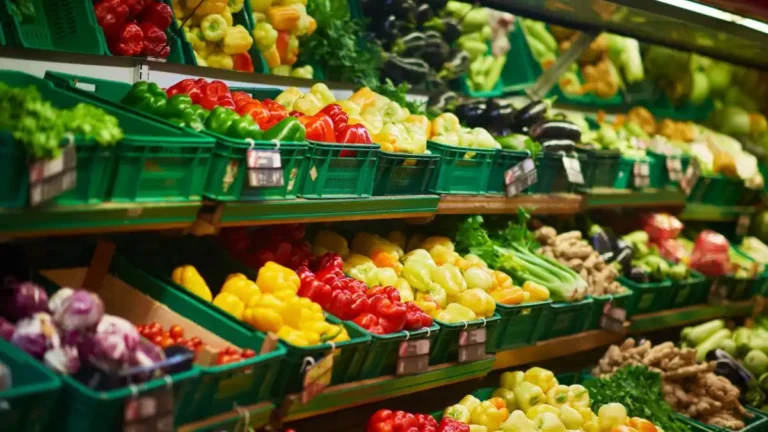

Croatia’s fresh produce sector is going through a period of modernisation. Retailers want:
- stronger supply-chain resilience
- better cold-chain infrastructure
- year-round product availability
Supermarkets increasingly rely on large procurement and distribution specialists. They are moving away from sourcing directly from fragmented grower networks.
That shift has lifted a small group of companies into strategic positions within the country’s food supply system. These businesses:
- connect domestic growers with supermarket shelves
- manage imports during seasonal gaps
- support private-label programmes
- help move Croatian produce into export markets across Europe
Examples include Arivera Fruit’s extensive procurement network, Fragaria’s leadership in ready-to-eat produce and Dodir Prirode’s expanding logistics capabilities. These companies play an important role in how fresh fruit and vegetables reach consumers across Croatia and the wider Adriatic region.
At a Glance
| Rank | Company | FY Revenue* | Strategic Role |
|---|---|---|---|
| 1 | Arivera Fruit | Private | Procurement, distribution and processing leader |
| 2 | Fragaria d.o.o. | Private | Fruit production and convenience salads |
| 3 | Setovia Voće d.o.o. | Private | Export and wholesale specialist |
| 4 | Agro Neretva | Private | Citrus and regional fresh produce supplier |
| 5 | Dodir Prirode d.o.o. | Private | Cold-chain logistics and produce distribution |
*Latest publicly available revenue figures vary by reporting period.
1. Arivera Fruit
- Founded: Originally developed under the ENNA Fruit business structure
- Headquarters: Croatia
- Market Position: Croatia’s largest fresh produce procurement and distribution company
Arivera Fruit sits at the centre of Croatia’s modern fresh produce supply chain.
Background
The company evolved from ENNA Fruit. That business became one of the country’s most influential agricultural procurement organisations before moving to the Arivera identity.
Today it is one of the largest purchasers, distributors and processors of fruit and vegetables in Croatia and the wider Adriatic region.
Why it matters to supermarket buyers
Its scale matters because major retailers increasingly require:
- centralised procurement
- quality control
- logistics coordination
- supply consistency
Arivera helps bridge the gap between hundreds of growers and supermarket distribution networks.
The company operates multiple procurement centres and manages extensive sourcing programmes. It supports retail requirements for both domestic and imported produce.
Its importance extends beyond Croatia. Through regional sourcing and distribution, Arivera has become a key supply-chain coordinator for supermarket and wholesale markets across Southeast Europe.
2. Fragaria d.o.o.
- Founded: 1990s
- Headquarters: Croatia
- Market Position: Leading fruit grower and convenience produce supplier
Fragaria has built one of the strongest reputations in Croatian fresh produce.
What it supplies
The company is known for large-scale production of apples, strawberries, berries and other fruit categories. Over time, however, its significance has grown beyond traditional farming.
Fragaria became an early leader in convenience produce, especially ready-to-eat salads and minimally processed products. This segment has grown steadily as consumers want speed, convenience and less food preparation time.
The company supplies supermarket chains, foodservice operators and restaurant groups.
Market position
Fragaria combines agricultural production with value-added processing. This has kept it relevant in a market where margins depend more on convenience and product differentiation than on volume alone.
3. Setovia Voće d.o.o.
- Founded: Family-owned business
- Headquarters: Croatia
- Market Position: Major wholesaler and exporter
Setovia Voće shows the growing importance of export-focused produce businesses in Croatia.
The company has grown from a family enterprise into a significant wholesale and distribution operation. It has strong links to European markets.
What it does
Its business covers:
- procurement
- sorting
- packaging
- distribution
- export
Citrus products remain especially important in its portfolio. Proprietary branding initiatives have helped strengthen its visibility in international markets.
Why exports matter
Export capability is becoming increasingly important for Croatian fresh produce businesses.
Domestic demand alone often limits growth. Companies that can reach wider European markets gain more flexibility, stronger purchasing power and better resilience against local market swings.
Setovia Voće has positioned itself firmly within that category.
4. Agro Neretva
- Headquarters: Neretva Valley, Croatia
- Market Position: Citrus specialist and regional supplier
No assessment of Croatia’s fresh produce industry would be complete without the Neretva Valley.
The region is widely regarded as the country’s most important citrus-growing area. It is especially famous for mandarins.
Location advantage
Agro Neretva benefits directly from this geographic advantage.
The company combines production, packing and logistics operations. These allow it to serve supermarket customers throughout Croatia. Access to one of the country’s most productive agricultural regions gives it a natural competitive edge.
What it supplies
Mandarins remain a flagship category. The wider Neretva region also supports other fruit and vegetable production.
For retailers seeking domestic sourcing, companies in this region continue to play a critical role in local supply chains.
5. Dodir Prirode d.o.o.
- Headquarters: Croatia
- Market Position: Logistics-driven produce distributor
Dodir Prirode reflects another major trend reshaping the fresh produce industry: infrastructure investment.
The company has grown its position through logistics, cold storage and distribution capabilities rather than relying solely on production.
Key facilities
Its logistics and distribution centre in Rugvica has strengthened its role within the national produce network. Modern cold-chain facilities support product quality, shelf life and distribution efficiency.
The company also operates banana ripening infrastructure. It distributes internationally recognised produce brands.
Why it matters to supermarket buyers
Supermarket chains are placing more emphasis on stock management and product freshness. As a result, businesses with advanced logistics capabilities are becoming more important within the supply chain.
Dodir Prirode is among the strongest examples of that shift in Croatia.
Industry Outlook
Croatia’s fresh produce market faces a unique balance between domestic production and imported supply.
Local growers continue to provide important seasonal products, including:
- mandarins
- apples
- berries
- potatoes
- onions
- vegetables
However, consumers expect year-round availability. This requires retailers to maintain substantial import programmes.
This reality has increased the importance of large-scale distributors and procurement specialists.
Supermarket groups such as Konzum, Lidl, Kaufland, Spar and Plodine increasingly depend on supply-chain partners. They need partners that can consolidate sourcing, manage cold storage, ensure quality compliance and coordinate logistics.
At the same time, European sustainability requirements are encouraging more investment in traceability, packaging efficiency and food waste reduction.
These pressures are driving further professionalisation across Croatia’s fresh produce sector.
Frequently Asked Questions
Which is Croatia’s largest fresh produce company?
Arivera Fruit is Croatia’s largest fresh produce procurement and distribution company. It evolved from ENNA Fruit and serves markets across the Adriatic region and Southeast Europe.
Where are mandarins grown in Croatia?
The Neretva Valley is widely regarded as the country’s most important citrus-growing area. It is especially famous for mandarins, and Agro Neretva is based there.
Why do Croatian supermarkets import fresh produce?
Local growers supply important seasonal products, but consumers expect year-round availability. Retailers therefore maintain substantial import programmes alongside domestic sourcing.
What Happens Next
The next stage of development will likely focus on logistics efficiency, regional sourcing partnerships and cold-chain expansion.
Retailers want suppliers that can reduce complexity while keeping product quality consistent throughout the year.
Investment is expected to remain a priority in:
- distribution centres
- ripening facilities
- refrigerated storage
- procurement networks
Fresh produce companies are also expected to invest more in traceability systems. These help supermarkets meet growing consumer and regulatory demands for transparency across the food supply chain.
Private label fresh produce programmes are likely to create new opportunities. They will suit suppliers that can deliver consistent quality, packaging standards and year-round availability across multiple retail markets.
At the same time, rising competition from imported produce will keep pushing Croatian companies to improve operational efficiency. They will also need to strengthen grower partnerships and expand value-added offerings such as ready-to-eat fruit and vegetable products.
For Croatia supermarkets, these developments could improve sourcing flexibility. They could also strengthen access to both domestic and imported fresh produce throughout the year.
The wider Croatia fresh produce industry is also expected to benefit from continued investment in cold storage, logistics technology and export infrastructure. This will help suppliers compete more effectively across European markets.
These improvements should further strengthen the Croatia FMCG supply chain. There, fresh fruit and vegetables remain essential categories for retailers, wholesalers and foodservice operators.
Croatia continues to strengthen its role within European supply chains. Its largest fresh produce companies are likely to become increasingly important regional partners for supermarkets, wholesalers and foodservice operators across Central and Southeast Europe.
Editor’s Note: This analysis is based on publicly available company information, industry publications, corporate disclosures, agricultural sector reports, and market data available at the time of publication. Rankings reflect market influence, supply-chain relevance, distribution capabilities, supermarket relationships, logistics infrastructure, and sector significance rather than revenue alone.