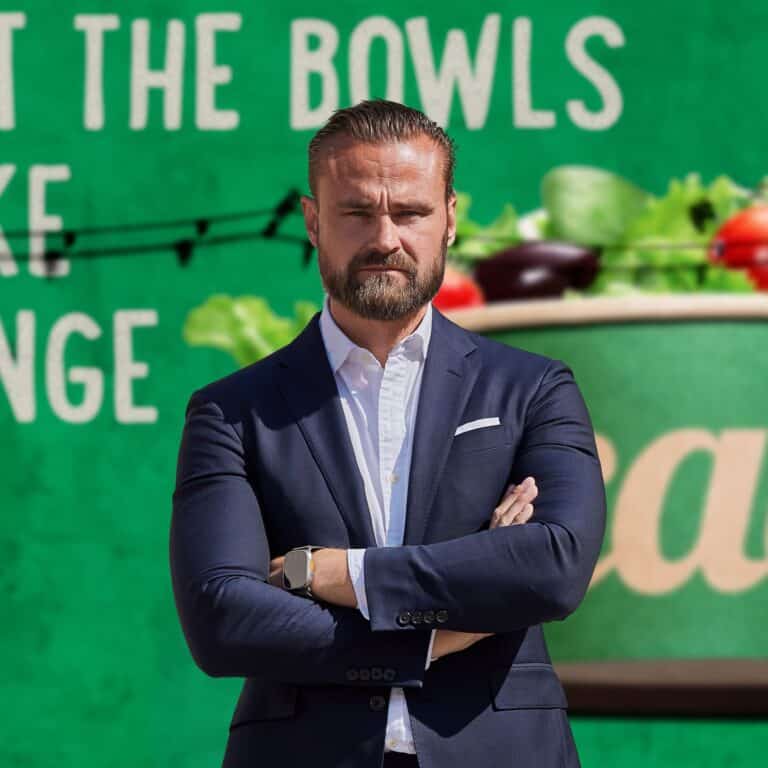

Picadeli Group chief executive David von Laskowski has won the Stockholm regional EY Entrepreneur Of The Year award, recognising the expansion of the Swedish salad-bar business into an international fresh-food operator.
The award was presented in Stockholm on 13 November 2026 and announced by Picadeli Group on 16 November. Von Laskowski will now compete in the Swedish national final at Stockholm City Hall on 27 January 2027. It is a regional entrepreneurship award, not a new commercial contract or a global EY title.
Behind the recognition is a business model that matters to supermarket operators: selling freshly prepared meals from compact in-store salad bars while using data to manage the stock, labour and waste associated with short shelf-life products.
Picadeli now has more than 2,500 points of sale across Europe and the United States and serves approximately 70 million meals a year, according to the group. Its model combines prepared fresh ingredients, self-service retail space and technology intended to help stores forecast demand and replenish ranges.
The company’s international growth followed a severe setback during the pandemic. Picadeli says sales fell 93% within weeks and nearly 1,500 salad bars closed. The subsequent recovery involved packaged food-to-go products, digital systems and expansion beyond its original Nordic markets.
For supermarket buyers, that recovery is a more useful part of the story than the trophy itself. Freshly prepared food can attract lunchtime, commuter and convenience customers, but a store must balance availability against the risk of unsold, time-sensitive stock. An in-store salad counter that performs well commercially must also be practical for employees to maintain.
Picadeli says its operating model uses artificial-intelligence-assisted forecasting, automated ordering and real-time sales information to support stock decisions. These systems may help stores identify demand patterns, although the award announcement does not provide audited figures for reductions in waste, increases in store profit or labour savings. Such outcomes should not be assumed for every location.
The group has expanded its footprint in the United States as well as European markets, while its Finnish operation passed 350 salad bars in September 2026. Finland is a useful comparison because grocery retailers there work with established fresh-food supply networks. Picadeli is already mentioned in GTN’s assessment of Finland’s fresh-produce supply market, which examines the wider companies and distribution routes serving grocers.
The award follows an important change to the business itself. In October, Greenfood adopted the Picadeli Group name after disposing of its fresh fruit and vegetable operations. It has refocused on salad bars, fresh-cut foods and other prepared-meal solutions. Its historical Greenfood revenue or business mix should therefore not be treated as directly comparable with the narrower current group.
The latest financial figures show that the restructured business is still growing. Picadeli Group reported third-quarter net sales of SEK 927.1 million, excluding the divested Fresh Produce operation, up 11.6% from a year earlier. Adjusted EBITDA rose 15.1% to SEK 146.1 million. Over the first nine months, comparable sales reached SEK 2.55 billion, an increase of 9.7%. Those are group figures rather than sales attributable solely to Picadeli-branded salad bars.
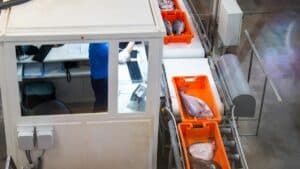
The production side also matters. Picadeli Group operates three production facilities for fresh-cut ingredients, food-to-go products and meal solutions. The sites serve the salad-bar network and other retail and foodservice customers. A supermarket evaluating such a supplier must look at cold-chain continuity, product specifications, replenishment frequency and the division of operating responsibility between the retailer and the brand.
Picadeli’s place in Nordic grocery supply is also reflected in GTN’s guide to Swedish private-label manufacturers, which identifies the group within the market for fresh and ready-to-eat food. The company’s own retail concept should nevertheless be distinguished from manufacturing supermarket own-label products: the two activities do not automatically use the same commercial model.
Other operators of salad bars and chilled food-to-go counters face similar questions about ingredient choice, hygiene, space productivity and demand forecasting. Picadeli’s scale gives retailers a concrete example of how those tasks can be standardised across many sites, though results will depend on market conditions and store execution.
EY’s regional jury highlighted von Laskowski’s leadership through the pandemic and the company’s subsequent international growth. The next event is the national Swedish final on 27 January 2027. For grocery buyers, the longer-term development to follow is whether Picadeli can maintain fresh-food availability and profitable growth as its network continues to expand.